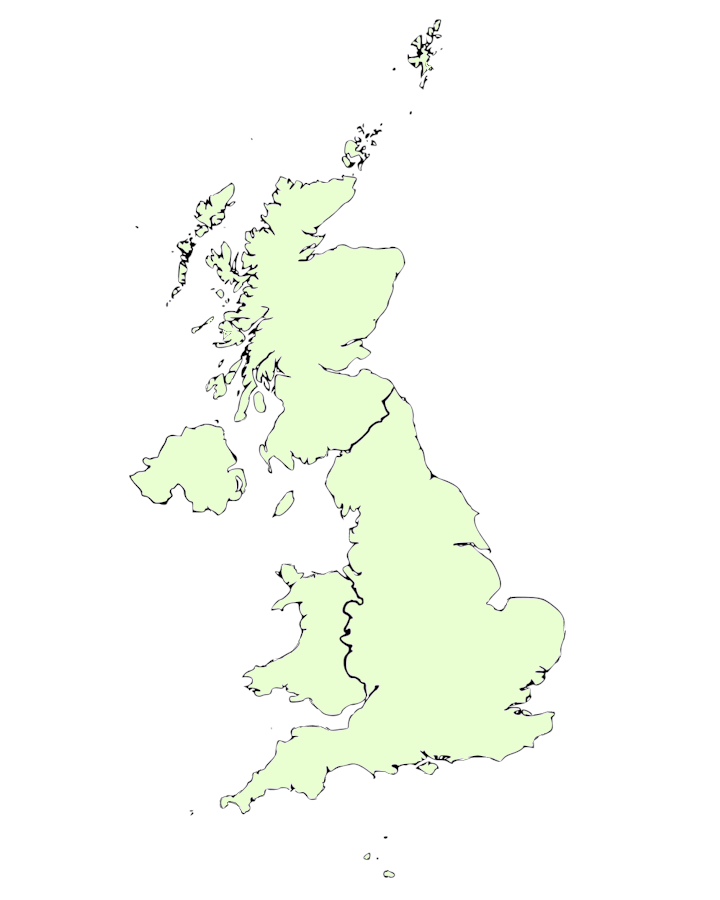
Map of the Surname Wead in United Kingdom and in the World
Exploring the history behind surnames
Diving into the analysis of how surnames are distributed geographically is like opening a fascinating history book. It allows us to trace the migration of families over the centuries, observe how they settled in various regions and how they mixed with other cultures. In this study, we will delve into the distribution of the surname Wead in United Kingdom and around the world, unraveling historical patterns and revealing demographic trends that have shaped its presence in different parts of the country and globally.
Exploring the presence of the Wead lineage in the lands of United Kingdom

Origin of the Surname Wead
The story behind the surname Wead is fascinating and dates back to distant times. Over the years, this surname has been linked to different areas and traditions of United Kingdom, which has played a fundamental role in its distribution throughout different territories throughout history.
Methodological Exploration
In searching for information for this study, civil registries, censuses and various sources, both historical and current, have been consulted. Data collection has been essential to be able to classify and examine in detail the presence of the surname Wead in different regions of United Kingdom, thus allowing the identification of significant concentrations and distinctive patterns in its distribution.
Results
General Distribution
When looking at the map, we can generally see the dispersion of the surname Wead in United Kingdom. We find areas where the presence is more abundant, reflected in striking tones, contrasting with those areas where the presence of the surname is less noticeable, represented in a different way.
Areas with Great Presence
The territories with the highest concentration of the surname Wead cover different areas of United Kingdom. These areas have been recognized as important centers of economic and cultural development, which has promoted the spread of the surname Wead. The marked presence in these places may be linked to various factors, such as migration, the economic situation and other relevant socioeconomic aspects.
Regions with Low Concentration
In an opposite scenario, areas with little presence of the surname Wead are located in rural environments or with lower population density. It is likely that these regions have experienced fewer arrivals of people with this surname, mainly due to low immigration, geographic limitations, lack of economic opportunities or social influences.
Historical Analysis
Since ancient times, the presence of the surname Wead in United Kingdom has been marked by a series of fundamental events that have shaped its distribution throughout history. Various factors such as internal and external migrations, war conflicts and political changes have left an indelible mark on the expansion and contraction of this lineage at different times. For example, in certain historical periods, an increase or decrease in the presence of the surname in certain geographical areas can be seen, a phenomenon that is usually related to events such as mass migrations, devastating wars, or restrictive government measures.
Demographic Factors
Migration
The mobility of people, whether within the borders of a country or abroad, has been a determining factor in the dispersion of the Wead surname. The migratory flows that have reached different regions of United Kingdom have contributed significantly to the presence of the surname in these areas. Likewise, the emigration of people from United Kingdom to other countries has had a direct impact on the internal distribution of this surname.
Urbanization
The evolution of cities has led to a significant concentration of the surname Wead in urban environments of United Kingdom. The possibilities of economic and educational development in these areas have attracted families with the surname Wead, significantly increasing their presence in these metropolitan centers.
Socioeconomic Changes
Demographic movements in United Kingdom have had a significant impact on the way the surname Wead is distributed. It is evident that the growth and development of certain industries have motivated people to move to regions where those industries are thriving, which is clearly reflected in how the Wead surname is geographically distributed today.
Distribution of the Surname Wead in the World
Global Expansion of the Surname Wead
The lineage represented by the surname Wead transcends borders, extending beyond the lands of United Kingdom. Throughout history, this surname has traveled through generations, carrying with it the history and identity of its bearers.
The presence of the Wead surname in different regions of the world is a testament to human diversity and global interconnection. From distant lands to local neighborhoods, Wead's legacy has left its mark on diverse and heterogeneous communities.
Migration and diaspora have been vehicles for the dispersion of the surname Wead, creating unbreakable ties between people of different cultures and traditions. Through these movements, the surname Wead has found a home everywhere, enriching the fabric of humanity with its unique story.
Main Countries of Presence
The surname Wead has left an important mark in various nations around the world. These countries have witnessed constant migration from United Kingdom, which has contributed to the spread and roots of the surname in their borders. The search for better job opportunities, the political situation or the search for quality education have been determining factors in this expansion.


Influence of Family Origin on National Identity
International migration has had a significant impact on the cultural and social diversity of United Kingdom. Throughout history, various events have caused families with the surname Wead to move to different countries in search of a promising future. This phenomenon has contributed to enriching the national identity of United Kingdom, fusing traditions and customs from different regions of the world.
Overall Conclusion
The surname Wead has demonstrated an incredible ability to adapt and spread in different corners of the planet. Its presence in multiple countries not only reflects United Kingdom's migratory past, but also the influence and participation of those who wear it in various societies around the globe. The analysis of its dispersion presents us with a fascinating narrative about how migratory movements and settlement processes have forged the identity and expansion of this surname throughout the world.
In short, examining the distribution of the Wead surname in United Kingdom and on a global scale uncovers surprising patterns and offers an enriching insight into the past and demographic evolution of both the country and the global community.


