Map of the Surname Struck in United Kingdom and in the World
Geographical Investigation of Surnames
Immersing ourselves in the study of the geographical distribution of surnames takes us on a journey through time, exploring the migration, settlement and evolution of families around the world. In this investigation, we will analyze in detail how the surname Struck has dispersed in United Kingdom and on the global stage, unraveling the historical patterns and demographic trends that have impacted its presence in various regions of the country and worldwide.
Geographical analysis of the Struck family in the territory of United Kingdom

History and Origin of the Surname Struck
The genealogy of the surname Struck is fascinating, as it dates back to ancient times. This surname has been linked to different territories and traditions of United Kingdom, which has impacted its dissemination over the centuries.
Procedure
In carrying out this research, data was collected from various sources such as civil registries, censuses, and historical and current archives. These data were meticulously organized and analyzed with the purpose of identifying the regions with a greater presence of the Struck surname, as well as to detect possible notable patterns in its dispersion.
Results
General Distribution
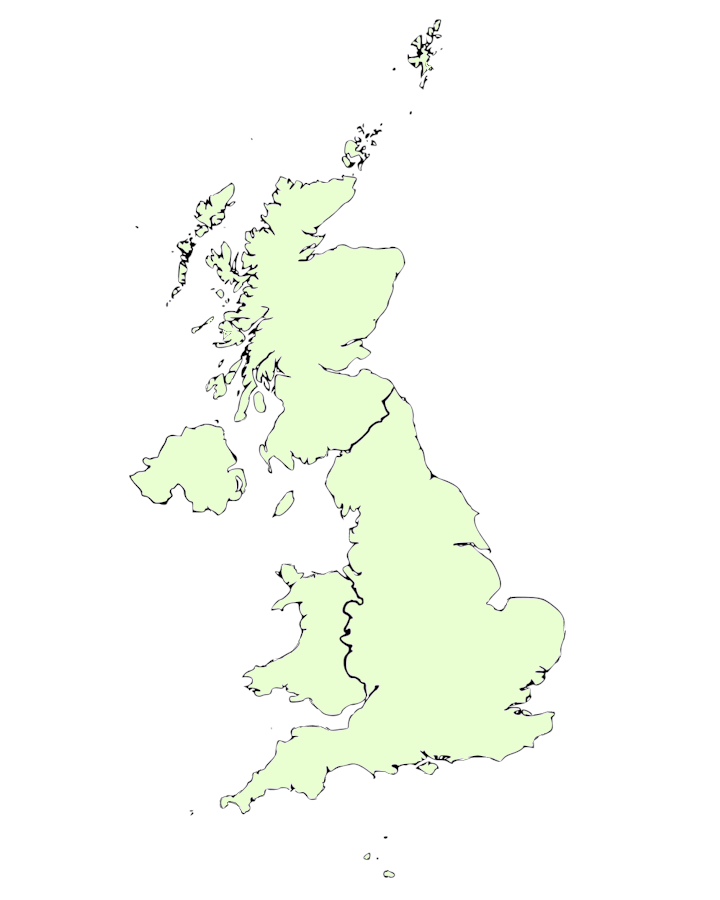
The graph presents a broad representation of how the surname Struck is distributed in the country United Kingdom. We can clearly observe the areas where there is a greater concentration of the surname, identified with intense colors, and those areas where the presence is lower, represented in a different way.
Regions with High Concentration
The areas with the highest concentration of the surname Struck are mainly found in United Kingdom. These regions have long been key points of innovation and tradition, which has led to the further spread of the surname Struck. The notable presence in these areas may be linked to various factors such as mobility, economic development and other socio-cultural elements.
Countries with Low Presence
On the other hand, the countries with the least presence of the Struck surname are those that are less urbanized or have a lower population density. This situation may be due to several factors, such as the lack of economic opportunities, geographical limitations or social barriers that have prevented greater dissemination of this surname in said territories.
Historical Analysis
During different times in history, the surname Struck has experienced a variable dispersion in United Kingdom, influenced by various significant events. Factors such as internal and external migrations, war conflicts and changes in the political landscape have impacted the distribution of this surname over time. For example, there are periods in which an increase or reduction in the presence of the surname in certain areas can be observed, phenomena that are usually related to specific events such as migratory movements, wars or government decisions.
Demographic Factors
Migration
In the analysis of demographic factors, it is vital to consider the impact of migration on the distribution of the Struck surname in different parts of the world. Both internal and external migration have contributed significantly to the dispersion of this surname. The arrival of different migratory groups to various regions of United Kingdom has generated a greater presence of the surname in these areas, thus enriching the cultural diversity of each place.
On the other hand, the effect of migration from United Kingdom to other countries on the distribution of the surname Struck cannot be ignored. This migratory flow has played an important role in the expansion and consolidation of the presence of this surname in various parts of the world, creating family and cultural networks that transcend geographical borders.
Urbanization
Urbanization has caused an interesting phenomenon in terms of the concentration of the Struck surname in various places in United Kingdom. The economic and educational dynamics of the cities have been a magnet for families with this surname to decide to settle in urban areas, which has resulted in a significant increase in their presence in metropolitan areas.
Changes in the Socioeconomic Organization
The transformation of the socioeconomic organization in United Kingdom has had a significant impact on the dispersion of the surname Struck. A clear example of this is the expansion of certain economic sectors that has motivated the movement of individuals to areas where these sectors are predominant, which is reflected in the spatial distribution of the surname.
Distribution of the Surname Struck in the World
Global Expansion of the Surname Struck
The surname Struck is a clear example of the cultural diversity that has spread throughout the planet. Currently, it is not only common to find the surname Struck in United Kingdom, but it has also crossed borders and settled in multiple countries around the globe. This circumstance is largely due to migratory movements and the diaspora, which have contributed to the spread of this significant surname.
Main Countries of Presence
The surname Struck has established itself prominently in various countries around the world. These nations have witnessed an important migration from United Kingdom, which has led to the expansion and roots of the surname in their soil. The reasons for this migration can be varied, from the search for better job opportunities to escape from political conflicts or search for higher education.
 Germany
 United States
 Brazil
 Denmark
 Poland
 Canada
 Israel
 Mexico
 Australia
 Norway
 France
 England
 Argentina
 Sweden
 Austria
 Switzerland
 Singapore
 Netherlands
 Belgium
 South Africa
 Venezuela
 Ecuador
 United Arab Emirates
 Spain
Spain Russia
 Scotland
 India
India Chile
Chile Turkey
 Costa Rica
 China
China Czech Republic
 Iran
Iran Italy
Italy Lithuania
 Luxembourg
 Moldova
 Angola
 New Zealand
 Philippines
 Bosnia and Herzegovina
 Pakistan
 Belarus
 Slovakia
 Thailand
 Ukraine
 Cyprus
 Kosovo
 Finland
 Ireland
Influence of Cultural Diversity
Cultural diversity has played a crucial role in the global spread of surnames like Struck. Throughout history, important events have triggered the dispersion of people with this surname throughout various countries around the world. This mix of cultures has been driven by the search for new experiences and perspectives in life.
Overall Conclusion
The surname Struck has stood out for its remarkable ability to adapt and spread throughout the world. Its presence on different continents not only reflects the migratory history of United Kingdom, but also the integration and contribution of those who carry it in various societies at a global level. The analysis of its dispersion provides an enriching narrative about how migratory flows and settlement processes have influenced the identity and presence of this surname worldwide.
In summary, examining the distribution of the Struck surname in United Kingdom and on a global scale reveals fascinating patterns and provides deep insight into the history and demographic evolution of both the country and the global community. An exciting journey through the diversity and interconnectedness of our ancestors!
Andere Sprachen


