Map of the Surname Starks in United Kingdom and in the World
Exploring Origins
Immersing yourself in the analysis of the geographical distribution of surnames is like opening a door to the history of families and their trajectory over time. In this investigation, we will delve into the distribution of the Starks surname in United Kingdom and across the planet, discovering intriguing historical patterns and demographic trends that have shaped its presence in different areas of the country and globally.
Analysis of the Presence of the Surname Starks in United Kingdom

Origin of the Surname Starks
The origins of the surname Starks date back to millennia. Throughout history, this surname has been linked to multiple territories and traditions of United Kingdom, which has led to its spread to different places over the centuries.
Research
In the search to understand the history of migration, civil registries, censuses and documentary sources, both ancient and current, have been used. All this in order to thoroughly investigate the origin and dispersion of the surname Starks in different regions of United Kingdom.
Results
Complete Analysis
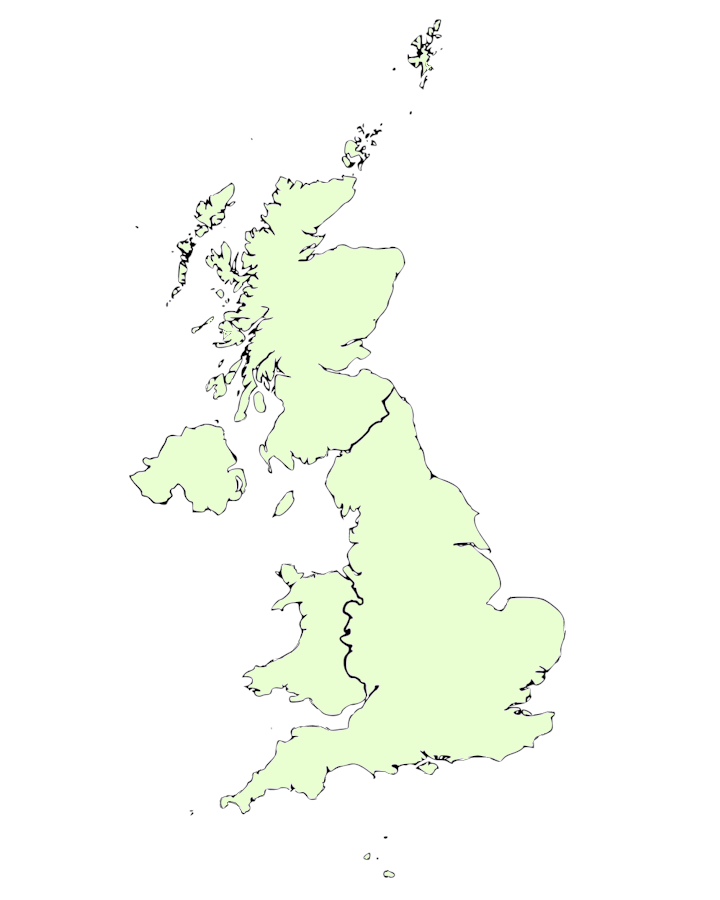
The graphical representation provides a detailed overview of the geographical distribution of the surname Starks in United Kingdom. The places with a greater predominance of the surname are represented with more intense tones, while the areas with a lesser presence are highlighted differently.
Regions with High Concentration
The territories with the highest density of the surname Starks cover different localities of United Kingdom. These areas have been recognized as being crucial in economic and cultural terms, which has contributed to the predominance of the surname Starks. The prominence in these areas may be linked to phenomena such as population mobility, economic development and other relevant socioeconomic aspects.
Regions with Low Concentration
In contrast, the places with the lowest incidence of the surname Starks are generally those that are characterized by being more remote or less densely populated. These areas may have experienced less influence from people with this surname due to various reasons such as remoteness, lack of economic opportunities, or differences in social patterns.
Historical Analysis
In the course of history, the surname Starks has experienced various trajectories in United Kingdom, influenced by a series of momentous events such as internal and external migrations, war conflicts and changes in the political landscape. It is interesting to observe how in different historical periods there is an increase or decrease in the presence of the surname in certain regions, which could be related to particular events such as population displacements, wars, or government decisions.
Demographic Factors
Migration
The mobility of people both within and outside borders has had a significant impact on the dispersion of the Starks surname. The arrival of various migrant groups to different areas of United Kingdom has contributed to the expansion of the presence of the surname in these places. Likewise, emigration from United Kingdom to other nations has also influenced the internal distribution of the surname.
Urbanization
Currently, urbanization has been a key phenomenon that has contributed to the concentration of the surname Starks in different urban areas of United Kingdom. The dynamics of urban life have attracted families with the last name Starks in search of both economic and educational opportunities, which has significantly increased their presence in these bustling cities.
Socioeconomic Changes
The transformations in the socioeconomic structure of United Kingdom have had a significant impact on the dispersion of the surname Starks. For example, the growth of certain economic sectors has generated population movements towards areas where these sectors are dominant, which is reflected in the geographical distribution of the surname.
Distribution of the Surname Starks in the World
Global Expansion of the Surname Starks
The lineage of the Starks family is not limited only to the territory of United Kingdom, but has managed to spread throughout the planet thanks to migratory movements and the dispersion of its members for various reasons. In this section, we will explore how and why the surname Starks has managed to settle in different corners of the globe, thus contributing to the diversity and richness of humanity's cultural heritage.
Main Countries of Presence
The surname Starks has become firmly established in a variety of nations around the world. Many of these countries have witnessed a significant arrival of migrants from United Kingdom, which has led to the spread of the surname in their territories. Migration, motivated either by economic, political or educational issues, has been a determining element in the expansion of this lineage.
 United States
 England
 Canada
 Liberia
 Australia
 Latvia
 Germany
 Russia
 France
 Scotland
 Philippines
 India
India New Zealand
 Ecuador
 Wales
Wales Mexico
 Belarus
 Sweden
 Singapore
 Italy
Italy Kazakhstan
 U.S. Virgin Islands
 Georgia
 Iraq
Iraq Jamaica
 Japan
Japan United Arab Emirates
 South Korea
 Albania
 Kuwait
 Aruba
Aruba Azerbaijan
 Barbados
 Monaco
 Bangladesh
 Belgium
 Norway
 Bermuda
 Brazil
 Peru
Peru Poland
 China
China Puerto Rico
 Colombia
 Qatar
Qatar Dominican Republic
 Spain
Spain Taiwan
 Vietnam
 Ghana
Ghana Gibraltar
 Israel
 Isle of Man
Impact of Cultural Diversity
Cultural diversity has played a fundamental role in the global dissemination of the surname Starks. Throughout history, people with this surname have emigrated to different corners of the world, in search of new experiences and development opportunities. This phenomenon has contributed to enriching the history and identity of each United Kingdom, creating ties that transcend borders and promoting interconnection between cultures.
Overall Conclusion
The surname Starks has demonstrated an impressive capacity for adaptation and diffusion at an international level. Its presence in different United Kingdom countries reflects not only the migratory trajectory of its carriers, but also their integration and contribution to various global cultures. The analysis of the dispersion of this surname provides us with a fascinating narrative about how migratory movements and settlement processes have influenced the identity and presence of Starks around the world.
In summary, examining the distribution of the Starks surname in United Kingdom and on a global scale reveals intriguing patterns and provides deep insights into the history and demographic evolution of both the country and the global diaspora.


