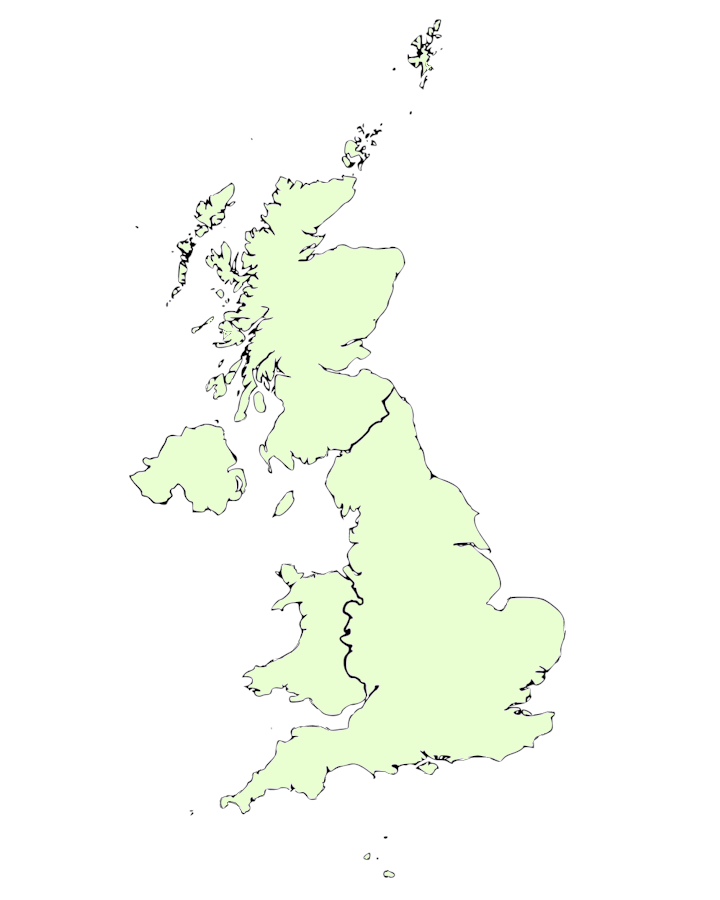
Map of the Surname Sekora in United Kingdom and in the World
Exploring Surnames and Geography
When we delve into the analysis of the geographical distribution of surnames, we embark on a fascinating journey through time. We observe how families have migrated, settling in different regions and leaving their mark on history. In this study, we focus on the surname Sekora, tracking its presence in United Kingdom and globally.
By unraveling the historical patterns of this surname, we discover the influence of migrations, wars and demographic changes on its dispersion. From ancient civilizations to the present, the presence of the surname Sekora offers us a window to the past and gives us clues about how today's society has been formed.
Population Analysis of Sekora in United Kingdom

History of the Lineage Sekora
The Sekora lineage has its roots in ancient times. This surname has been historically linked to different territories and traditions of United Kingdom, which has impacted its geographical expansion over the centuries.
Research
The development of this study involved the compilation of information from civil registries, censuses and various historical and contemporary sources. These data were meticulously structured and examined with the aim of identifying the regions with the highest prevalence of the surname Sekora, as well as to detect possible trends in its geographical dispersion.
Results
General Distribution
By looking at the map, you can visually see the distribution of the surname Sekora in the country United Kingdom. Areas where the surname is more common are highlighted with vibrant colors, while areas with less presence of the surname are displayed differently.
Notable Regional Concentrations
In United Kingdom there are some of the regions with the highest concentration of the surname Sekora. These territories have been recognized for being poles of historical and cultural development, which has contributed to consolidating the presence of the surname Sekora in them. Various factors such as migration, economy and socioeconomic aspects could explain this relevant presence in these areas.
Underrepresented Regions
On the contrary, the places with the least presence of the surname Sekora are usually those that are characterized by being further away from urban areas or with a smaller population. These regions may not have had a large influx of immigrants or movements of people with this surname, possibly due to reasons such as geography, lack of economic opportunities, or particular social conditions.
Historical Analysis
Since ancient times, the surname Sekora has experienced a dispersion in different parts of the world, especially in United Kingdom, due to a series of significant events that have marked history. Internal and external migrations, wars and political changes have played a crucial role in the geographical distribution of this surname over the centuries.
For example, at various historical moments, it can be observed how the frequency of the surname Sekora varies depending on certain circumstances in United Kingdom. These changes may be related to massive population migrations, war conflicts that force displacement, or even political decisions that impact the distribution of surnames in different regions.
Demographic Factors
Migration
The mobility of people both inside and outside the borders has been decisive in the dispersion of the surname Sekora. The arrival of various migratory flows to different areas of United Kingdom has contributed to strengthening the presence of the surname in these localities. On the other hand, people who emigrate from United Kingdom to other territories have also influenced the internal distribution of the surname.
Urbanization
Migration to urban areas has resulted in a notable concentration of the surname Sekora in the cities of United Kingdom. The employment and education possibilities in these urban centers have been a magnet for families with the surname Sekora, increasing their presence in these metropolitan areas. This phenomenon has brought about a change in the social and cultural dynamics of these communities, enriching diversity and intercultural exchange.
Demographic Changes
The transformations in the demographic structure of United Kingdom have impacted the distribution of the surname Sekora. It is notorious how the growth of certain economic sectors has driven population migration to areas where these sectors are predominant, and this has been reflected in the territorial dispersion of the surname.
Distribution of the Surname Sekora in the World
Global Expansion of the Surname Sekora
The surname Sekora is not only rooted in United Kingdom, but has also experienced worldwide expansion, thanks to migratory movements and diasporas. This section analyzes how and why the surname Sekora has spread to different regions of the planet.
Main Countries of Presence
The surname Sekora has a marked influence in different countries around the world. These nations have witnessed a significant migratory flow from United Kingdom, which has contributed to the spread of the surname within their borders. The search for better job opportunities, favorable political conditions or access to quality education have been fundamental motivations in this expansion.
 United States
 Canada
 Germany
 Austria
 Burkina Faso
 Czech Republic
 Papua New Guinea
 Russia
 Sweden
 Ukraine
 United Arab Emirates
 England
 Uganda
 Bulgaria
 Botswana
 Belarus
Influence of International Migration
International migration has had a significant impact on the global dispersion of the Sekora surname. Throughout history, relevant events have caused massive movements of individuals with this surname to different regions of the world. These migrations have been driven by the aspiration to improve their prospects and quality of life.
The cultural exchange resulting from international migration has enriched the ethnic and social diversity in different countries. The presence of the surname Sekora in new lands has contributed to the formation of vibrant communities and unique cultural fusions.
In addition, international migration has played a fundamental role in the transmission of traditions and family values through generations. The roots of the Sekora surname in different countries have created ties that transcend borders and strengthen the identity of those who bear it.
In summary, international migration has been a transformative phenomenon that has shaped the presence and meaning of the surname Sekora worldwide. Its influence endures today, connecting people from diverse backgrounds and contributing to global cultural wealth.
Overall Conclusion
The Sekora lineage has stood out for its ability to adapt and expand throughout the planet. Its presence on different continents not only tells the migratory history of United Kingdom, but also the integration and contributions of those who carry it in various international societies. The analysis of its dispersion provides us with an enriching story about how migration and settlement flows have shaped the identity and representation of this surname around the globe.
Ultimately, exploring the distribution of the Sekora surname in United Kingdom and on a global scale reveals captivating patterns and provides deep insights into the history and demographic transformation of both the nation and the global diaspora.


