Map of the Surname Polom in United Kingdom and in the World
Discovering the past through surnames
Immersing yourself in the analysis of the geographical distribution of surnames is like opening a history book full of data that reveals the movements of families over the centuries. On this occasion, we will delve into the fascinating world of the Polom surname, exploring its presence in United Kingdom and the rest of the planet. Through this study, we will unravel intriguing historical patterns and reveal the demographic trends that have shaped the presence of this surname in different places in the country and globally.
Analysis of the frequency of the Surname Polom in the territory of United Kingdom
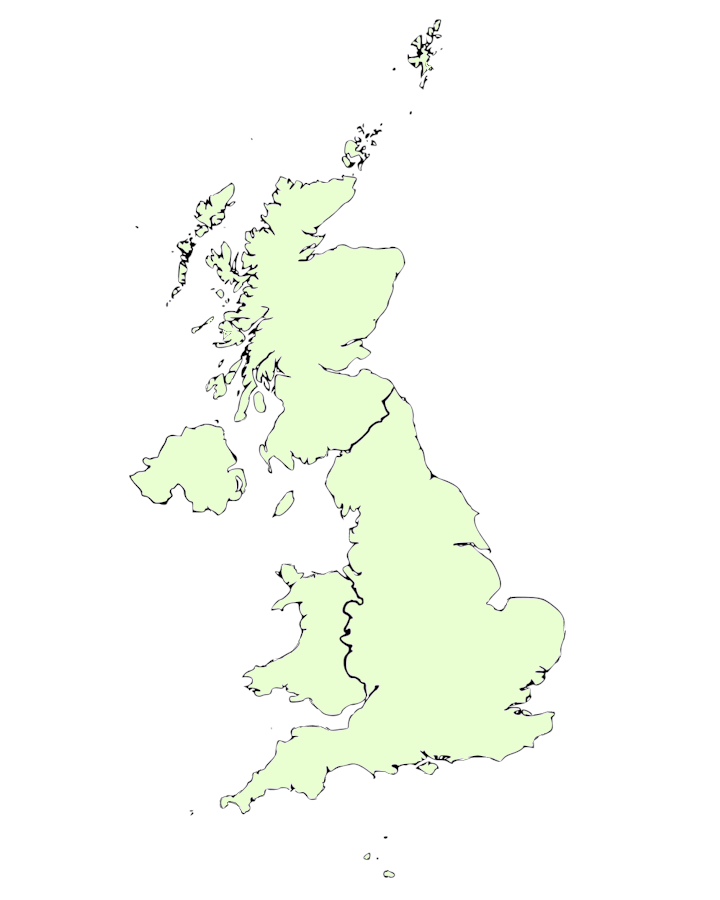

Descent of the Surname Polom
The origins of the surname Polom date back to ancient times. Throughout history, this surname has been linked to multiple territories and traditions of United Kingdom, which has impacted its geographical expansion over the centuries.
Procedure
In order to carry out this research, information was collected from different sources such as civil registries, censuses and other historical and current documents. Subsequently, the data was organized and thoroughly examined in search of the areas with the greatest presence of the surname Polom in United Kingdom, in addition to searching for possible significant patterns in its dispersion.
Results
General Distribution
By exploring the map, we can see how the surname Polom is dispersed throughout United Kingdom. The areas with the greatest predominance of the surname stand out with more intense tones, while those with less representation are clearly differentiated.
Countries with Diversity of Surnames
The countries with the greatest diversity of surnames include different regions of United Kingdom. These nations have been protagonists of important economic and cultural processes, which has favored the presence of a variety of surnames, including the surname Polom. This diversity points to possible influences such as migration, economics and other socioeconomic factors.
Underrepresented Areas
In contrast, regions with little presence of the Polom surname tend to be those that are more rural in nature or have lower population density. These places may have experienced less migratory flow or mobility of individuals with this surname due to various factors such as geography, job opportunities or sociocultural aspects.
Historical Analysis
Since ancient times, the presence of the surname Polom in United Kingdom has been shaped by a series of momentous events, such as the migration of both internal and external populations, war conflicts and changes in the political landscape. For example, in different historical eras, an increase or decrease in the distribution of the surname can be observed in certain geographical areas. This phenomenon may be linked to particular events such as migratory movements, armed conflicts or government decisions.
Sociodemographic factors
Movement
Internal and external displacement has had a significant impact on the dispersion of the Polom surname. The arrival of various groups displaced to different areas of United Kingdom has contributed to the increase in the presence of the surname in these areas. Likewise, migration from United Kingdom to other countries has also modified the internal distribution of the surname.
Urbanization
The transformation of rural areas into urban areas has led to an interesting phenomenon related to the concentration of the surname Polom in cities of United Kingdom. Migration to these urban centers driven by work and educational opportunities has generated a significant increase in families with the surname Polom in these metropolises.
Socioeconomic Changes
The transformations in the socioeconomic structure of United Kingdom have had a significant impact on the dispersion of the surname Polom. For example, the growth of certain economic sectors has caused the movement of people to areas where these sectors have greater relevance, which is evident in the geography of the distribution of the surname.
Distribution of the Surname Polom in the World
Global Expansion of the Surname Polom
The lineage of the Polom family has transcended borders and has taken root in various corners of the planet, leaving a deep mark on the history of humanity. Over the centuries, migration and diaspora have been key catalysts in the spread of this surname beyond the borders of United Kingdom.
From the remote corners of Asia to the bustling cities of America, the surname Polom has found fertile ground in every corner of the globe. This geographical dispersion has given rise to a rich variety of family stories and traditions, enriching the cultural diversity of each country that has welcomed the bearers of this illustrious surname.
On every continent, in every country, the surname Polom weaves an invisible web that connects distant relatives with each other, reminding them of their common origin and shared legacy. Through these myriad connections, the Polom family continues to grow and evolve, adapting to the changing circumstances of a globalized world.
Main Countries of Presence
The surname Polom is recognized in different corners of the world. In several countries, the presence of this surname has grown considerably. The migration from United Kingdom has allowed the surname to expand across different territories, enriching the cultural diversity of each of them. The reasons that have motivated this migration are diverse, whether for economic, political or educational reasons, the surname Polom has managed to establish itself firmly in these countries.
 Papua New Guinea
 United States
 Germany
 Slovakia
 Brazil
 Hungary
 Benin
Benin Russia
 Canada
 Czech Republic
 Sweden
 Austria
 England
 Poland
 Cameroon
 France
 Thailand
 Argentina
 Belgium
 Belarus
 Scotland
 Ireland
 Norway
 Venezuela
Influence of International Migration
International migration has been a crucial phenomenon in the global dispersion of the Polom surname. Throughout history, significant events have caused large movements of people with this surname to various regions of the world. This migratory flow has been driven by the aspiration to improve prospects and quality of life.
Holistic Exploration
The surname Polom is distinguished by its magnificent ability to adapt and spread in different corners of the planet. Its extensive presence on various continents not only reflects the migratory journey of United Kingdom, but also the fusion and contribution of those who carry it with them in multiple international societies. The meticulous analysis of its dispersion offers an enriching narrative about how migratory currents and settlement processes have influenced the identity and prominence of this surname on a global level.
In summary, exploring the distribution of the surname Polom both in United Kingdom and globally reveals fascinating patterns and provides deep insight into the history and demographic evolution of both the country and the global diasporic population.< /p>


