Map of the Surname Polis in United Kingdom and in the World
Geographical exploration of surnames
Research on the geographical distribution of surnames is a fascinating topic that allows us to delve into the history, migration and structuring of families over the centuries. In this analysis, we will delve into the distribution of the surname Polis in United Kingdom and in various parts of the world, unraveling historical patterns and demographic trends that have shaped its presence in different regions of the country and globally.
Geographic analysis of the surname Polis in the country United Kingdom

Origin of the Surname Polis
Every time the surname Polis is spoken of, reference is made to an ancestral story that dates back to distant times. The connection of this surname with different territories and traditions of United Kingdom has played a fundamental role in its expansion over the centuries.
Procedure
In order to carry out this research, data was collected from various sources such as civil registries, censuses and other historical and current documents. Subsequently, the information was organized and analyzed with the aim of identifying the regions where the surname Polis has a greater presence, as well as to detect possible notable patterns in its distribution.
Results
The results obtained from this study revealed interesting findings about the distribution of the surname Polis in different regions of United Kingdom. Significant concentrations were observed in certain areas, suggesting a possible ancestral migration or a particular cultural influence in these areas. These discoveries could provide valuable information to understand the history and demographics of United Kingdom in a more detailed and complete way.
Results
General Distribution
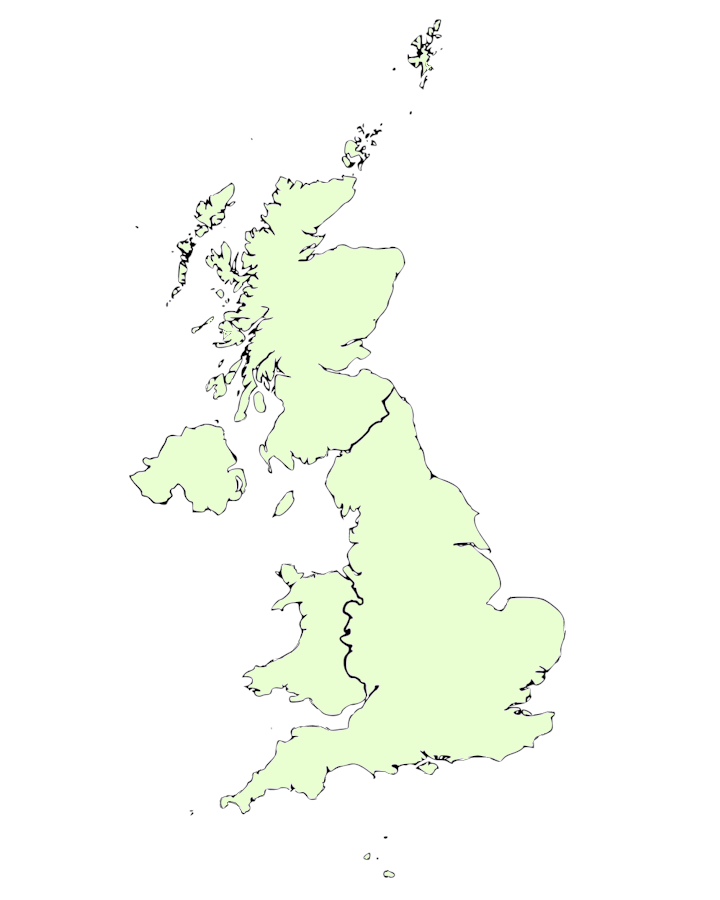
The graph presents an overview of the distribution scheme of the surname Polis in the territory of United Kingdom. Areas with greater density can be observed highlighted with particular tones, while areas with a lower presence of the surname are distinguished differently.
Concentration of Surnames in Different Regions
Various areas of United Kingdom are known to have a high concentration of the surname Polis. These regions have traditionally been recognized as important nodes of economic and cultural activity, which has contributed to the spread of the surname Polis in these areas. The historical relevance of these areas may be linked to phenomena such as migration, economic factors and other socioeconomic aspects that have influenced the geographical distribution of the surname Polis.
Underrepresented Countries
On the contrary, the countries with the least presence of the surname Polis are those with less population density or less urbanized. These countries may have experienced less migration of people with this surname due to geographical conditions, economic limitations or cultural differences.
Historical Analysis
Over the course of history, the spread of the surname Polis into United Kingdom has been shaped by a series of significant events, such as internal and external migratory movements, wars and changes in the political landscape. For example, at different historical moments you can see an increase or decrease in the presence of the surname in different geographical areas. This fluctuation may be related to factors such as mass migrations, wars, or government decisions.
Demographic Factors
Migration
One of the most relevant factors in the distribution of the surname Polis is migration, both internally and externally. The arrival of various migratory groups to different regions of United Kingdom has had a significant impact on the dispersion of this surname. On the other hand, emigration from United Kingdom to other countries has also contributed to the presence of the surname in different parts of the world.
Urbanization
The evolution of cities has caused a notable expansion of the surname Polis in urban areas of United Kingdom. The work and study possibilities in these urban centers have captured the attention of family groups with the surname Polis, thus increasing their presence in these metropolises.
Socioeconomic Changes
Currently, changes in the socioeconomic structure of United Kingdom have had a significant impact on the distribution of the surname Polis. On the one hand, the evolution of different industries has generated movements of people to areas where these industries have a greater presence, which is reflected in the geographical dispersion of the surname.
In addition, factors such as technological development and globalization have allowed greater social and labor mobility, which has led to the Polis surname being found in places where it was previously less common. Likewise, international migration and demographic changes have contributed to the diversification of the presence of the surname in different countries.
Distribution of the Surname Polis in the World
Global Expansion of the Surname Polis
The renowned surname Polis is not limited only to United Kingdom, but its presence extends throughout the globe thanks to various factors such as migration and family dispersion. In this section, we will explore in detail the astonishing dispersion of the surname Polis in different regions of the world and the reasons that have led to its spread.
Main Countries of Presence
The surname Polis is known for its influence in various countries around the world. Migration from United Kingdom has been a determining factor in the expansion of this surname in foreign lands. Motivated by different reasons, such as the search for economic opportunities, political stability or education, many families have left their country of origin in search of a better future.
 India
India United States
 Brazil
 Poland
 Latvia
 Philippines
 Belgium
 Papua New Guinea
 Canada
 Pakistan
 Germany
 Australia
 Greece
 Argentina
 Israel
 Indonesia
 Spain
Spain Mexico
 Turkey
 France
 Ukraine
 Kuwait
 England
 Nigeria
 Netherlands
 Iran
Iran Estonia
 Sweden
 United Arab Emirates
 Kosovo
 Switzerland
 New Zealand
 Italy
Italy Lithuania
 Czech Republic
 Iraq
Iraq Tanzania
 Norway
 Egypt
Egypt Portugal
 Malaysia
 Albania
 South Korea
 Lebanon
 Colombia
 Cyprus
 Algeria
 Peru
Peru Uganda
 Jordan
 Cambodia
 South Africa
 Azerbaijan
 Liberia
 Bosnia and Herzegovina
 Bangladesh
 Luxembourg
 Macedonia
 Niger
Niger Finland
 Paraguay
 Guyana
 Romania
 Haiti
Haiti Russia
 Singapore
Influence of International Migration
International migration has played a crucial role in the dispersion of the Polis surname throughout the world. Throughout history, its presence has spread through large movements of individuals carrying this surname to different countries and regions. These displacements have been driven by the search for a more promising future and more favorable living conditions.
Overall Conclusion
The surname Polis has demonstrated an impressive ability to adapt and spread throughout the world. Its presence on various continents not only reflects the migratory history of United Kingdom, but also the integration and contribution of those who carry it in different international societies. The analysis of its dispersion provides us with an enriching narrative about how migratory movements and settlements have influenced the identity and presence of this surname on a global level.
In summary, by examining the distribution of the Polis surname in United Kingdom and on a global scale, fascinating patterns emerge that offer us deep insight into the history and demographic evolution of both the country and the global community.
Andere Sprachen


