Map of the Surname Oudina in United Kingdom and in the World
Discovering Stories Through Surnames
Diving into the analysis of the geographical distribution of surnames is like opening a family history book. We delve into the past, follow the trail of ancestral migrations and observe how families have settled in various regions over the centuries. In this study, we will focus on unraveling the mysteries behind the surname Oudina in United Kingdom and across the globe. From ancient civilizations to more recent migratory movements, each region keeps its own narrative about the presence of this surname and how it has been shaped by the ups and downs of history and demographic dynamics.
Where the most popular Oudina in the world are located

History of the Surname Oudina
The lineage of the Oudina family has its roots in an ancient past. This surname has been linked to different cultures and territories of United Kingdom throughout history, which has contributed to its spread throughout different geographical locations over the centuries.
Focus
In order to carry out this research, data from civil registries, censuses and various historical and contemporary sources were exhaustively compiled. Subsequently, the data was organized and analyzed in order to identify the regions with the greatest presence of the surname Oudina, as well as to identify possible significant patterns in its geographical distribution.
Results
General Distribution
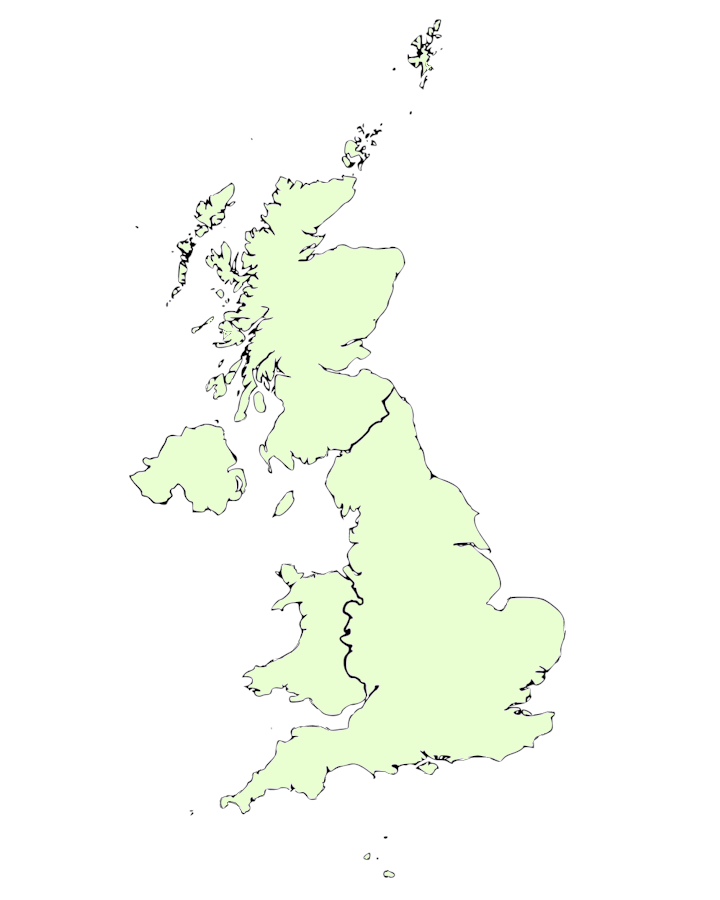
By looking at the map, you can see a visual representation of how the surname Oudina is distributed in the territory of United Kingdom. Areas with a high concentration of the surname can be clearly identified, which are highlighted with striking colors, while areas with a lower presence of the surname are shown differently.
Regions with High Concentration
The territories with the highest density of the surname Oudina cover several areas of United Kingdom. These areas have traditionally been fundamental centers of economic and cultural activity, which has led to a greater presence of the surname Oudina. The considerable representation in these territories could be linked to factors such as geographical mobility, economic situation and other socioeconomic elements.
Regions with Little Representation
On the other hand, in places with little presence of the Oudina surname, more remote areas or areas with lower population density can be found. These regions may not have been as attractive for the migration or mobility of people with this surname, possibly due to various reasons such as geographical configuration, access to economic opportunities or specific social conditions.
Historical Analysis
Over the course of history, the presence of the Oudina surname in United Kingdom has been shaped by various significant events, such as internal and external displacements, armed conflicts, and changes in the political landscape. For example, at certain times in the past, it is possible to see an increase or decrease in the prevalence of the surname in certain geographical areas. This dynamic may be related to specific events such as migrations, wars or government decisions.
Demographic Factors
Migration
The mobility of people both within and outside borders has had a significant impact on the dispersion of the Oudina surname. Various migratory flows have led to the surname spreading through different regions of United Kingdom, thus contributing to its presence in these areas. Likewise, emigration from United Kingdom to other countries has modified the internal distribution of the surname, generating new communities abroad that share this same lineage.
Urbanization
The phenomenon of urbanization has caused a marked concentration of the surname Oudina in urban areas of United Kingdom. The possibilities of economic and educational development in these cities have captured the interest of families with the surname Oudina, increasing their presence in these metropolitan centers.
Socioeconomic Changes
The transformations in the socioeconomic structure of United Kingdom have had a significant impact on the dispersion of the surname Oudina. For example, the growth of certain economic sectors has caused the movement of people to areas where these sectors have greater relevance, which is evident in the geography of the distribution of the surname.
Distribution of the Surname Oudina in the World
Global Expansion of the Surname Oudina
The surname Oudina is a clear example of how globalization and the mobility of people have contributed to its presence in various countries. While its origin may be in United Kingdom, it has spread throughout the planet, carrying with it a rich and varied history.
The migration of individuals with the surname Oudina has played a fundamental role in their dispersion. Whether for economic, political or personal reasons, people with this surname have found new lands to settle and leave their mark.
The diaspora of the surname Oudina has generated communities in different parts of the world, keeping alive the tradition and identity of their ancestors. From United Kingdom to distant countries, the surname Oudina has transcended borders and has been integrated into the culture of multiple societies.
Main Countries of Presence
The surname Oudina is recognized in different corners of the world. The influence of this surname has spread throughout numerous countries. The migration from United Kingdom has triggered an exponential growth in the presence of this surname in foreign lands. The reasons that have driven this migration are diverse, from the search for job opportunities to political or academic reasons. Without a doubt, the connection between this surname and the different countries in which it has taken root is deep.


Influence of International Migration
In human history, international migration has played a crucial role in the dispersion of the surname Oudina throughout the world. Over the years, various events have encouraged people with this surname to move to different countries in search of new opportunities and a better quality of life.
Overall Conclusion
The surname Oudina has demonstrated a surprising ability to adapt and spread throughout the planet. Its presence in various countries not only reflects the migratory history of United Kingdom, but also the integration and contribution of those who wear it in different societies around the world. The study of its distribution provides us with an enriching narrative about how migration and settlement dynamics have influenced the identity and presence of this surname on a global level.
In summary, observing the dispersion of the Oudina surname in United Kingdom and on a global scale reveals fascinating patterns and provides us with a deep insight into the history and demographic evolution of both the country and the global diaspora.


