Map of the Surname Osmand in United Kingdom and in the World
Exploring history through surnames
Immersing yourself in the study of the geographical distribution of surnames is like opening the doors to a fascinating journey through time. In this analysis, we will delve into the intricate web of connections that reveal the history, migration and settlement of families over the centuries. From the hills of United Kingdom to the most remote corners of the world, every surname like Osmand holds secrets that tell stories of generations past.
Distribution of Surname Osmand in United Kingdom
Exploring the history of the Osmand family we delve into the roots of United Kingdom, a country full of unique traditions and customs. The surname Osmand has left an indelible mark in every corner of this beautiful place, from the highest mountains to the most paradisiacal beaches.
With each generation, the surname Osmand has adapted and evolved, keeping alive the memory of its ancestors and the passion for United Kingdom. Every time we hear this name, we can't help but feel a deep respect for the history and legacy it represents.
The distribution of the surname Osmand in United Kingdom is a reflection of the diversity and cultural richness of this wonderful land. Each family that bears this name contributes uniquely to the national identity, keeping alive the flame of tradition and pride in its roots.
So the next time you meet someone with the last name Osmand, remember that behind that name there is a fascinating story that connects us to the past and guides us towards a future full of hope and love for United Kingdom.< /p>

Origin of the Surname Osmand
The story behind the surname Osmand is ancestral and linked to past times. Its relationship with different areas and cultures of United Kingdom has led to its spread through different territories throughout the ages.
Data Exploration
In the research carried out, data was taken from different sources such as civil registries, censuses and historical and current material. These data were carefully analyzed to identify the areas where the surname Osmand has a more marked presence, as well as to find possible patterns in its dispersion.
Results
General Distribution
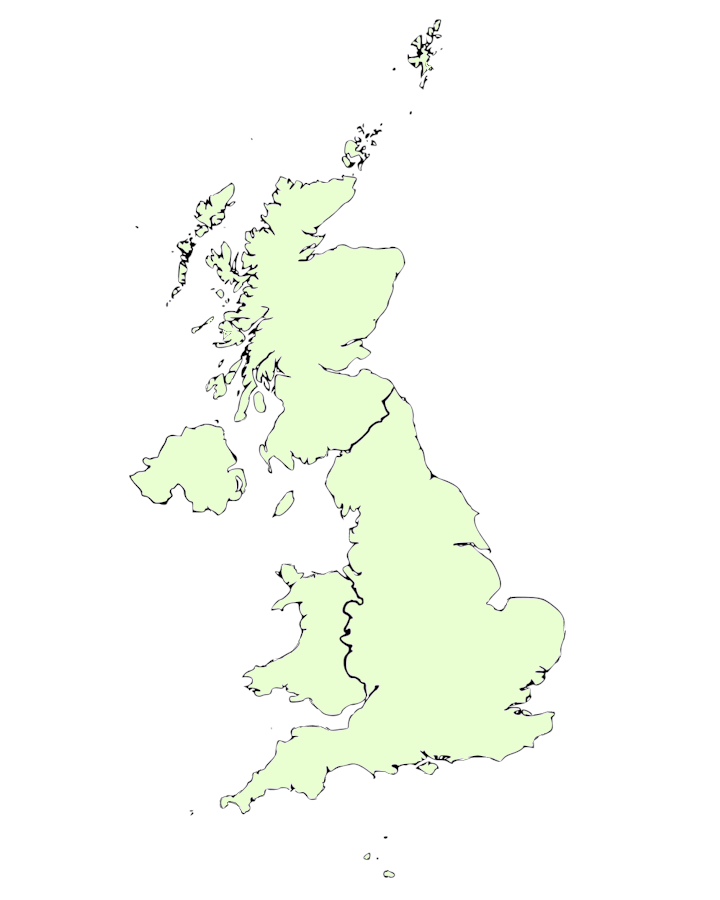
In this visual representation, you can see how the surname Osmand is distributed in the territory of United Kingdom. The areas where the surname is most common are clearly identified, reflected in particular tones, contrasted with the areas of scarce presence of the same.
High Concentration Areas
The areas with the greatest presence of the surname Osmand are found in different regions of United Kingdom. These areas have traditionally been recognized as important hubs of economic and cultural activity, which has led to a greater concentration of the surname Osmand. The marked presence in these places may be linked to phenomena such as migration, the economic situation and other sociocultural aspects.
Regions with Low Concentration
In contrast, the areas with less predominance of the surname Osmand usually correspond to more remote or sparsely populated places. In these places it is possible that there has been less migratory flow or mobility of individuals with this surname, either due to geographical issues, job opportunities or social circumstances.
Historical Analysis
In the course of history, the distribution of the surname Osmand in United Kingdom has been marked by a series of significant events that have left their mark on the genealogy of the region. From mass migrations to war conflicts and changes in government, various factors have influenced the presence and dispersion of this surname over time. For example, in certain historical periods an increase or decrease in the frequency of the surname in certain areas has been observed, which may be associated with events such as population displacements, wars, or specific political decisions.
Demographic Factors
Migration
Migratory dynamics, both internal and external, have played a fundamental role in the dispersion of the surname Osmand in different parts of the globe. The migration of various ethnic groups to different regions of United Kingdom has contributed significantly to the expansion and diversification of the presence of the surname in these areas. Likewise, the migratory currents that leave United Kingdom to other countries have had direct repercussions on the internal distribution of the surname and its influence on various communities worldwide.
Urbanization
Urbanization is a phenomenon that has generated a marked concentration of the surname Osmand in different urban areas of United Kingdom. Migration to cities in search of better work and educational opportunities has led to more and more families with the surname Osmand settling in these metropolitan environments, increasing their presence significantly.
Demographic Changes
The transformations in the socioeconomic dynamics of United Kingdom have had a significant impact on the dispersion of the surname Osmand. It is important to highlight that the growth of certain sectors of the economy has generated displacement of inhabitants towards areas where these industries are predominant, which is clearly reflected in the geographical distribution of the surname.
Distribution of the Surname Osmand in the World
Global Expansion of the Surname Osmand
The surname Osmand is not only found in United Kingdom, but its presence has spread throughout the planet due to migratory movements and diaspora. This section analyzes how and why the surname Osmand has reached different regions of the globe.
Main Countries of Presence
The surname Osmand has established itself prominently in various countries around the world. These nations have witnessed a significant migratory flow from United Kingdom, which has contributed to the spread and roots of the surname in their lands. Migration, motivated by different factors such as the search for better economic opportunities, the political situation or education, has played a fundamental role in the expansion of the Osmand family into distant territories.
 Australia
 England
 Jersey
 Iran
Iran United States
 New Zealand
 Malaysia
 Canada
 India
India Sri Lanka
 United Arab Emirates
 Switzerland
 Finland
 Haiti
Haiti Nigeria
 Norway
 Oman
Oman Philippines
 Russia
 Singapore
Influence of International Migration
International migration has had a significant impact on the global dispersion of surnames. Throughout history, important events have led to large movements of people with the surname Osmand to various countries. These migrations have been driven by the search for new opportunities and an improvement in living conditions.
Total Summary
The Osmand family has shown an impressive capacity for adaptation and expansion in all corners of the globe. Its presence on different continents not only reflects the migratory history of United Kingdom, but also the integration and contributions of those who bear this surname in various international societies. The analysis of their dispersion offers an enriching story about how migratory movements and colonization have influenced the identity and presence of this lineage on a global scale.
In conclusion, examination of the distribution of the surname Osmand both in United Kingdom and globally reveals fascinating patterns and offers an in-depth look at the past and demographic evolution of both the country and the global diaspora.


