Map of the Surname Nephew in United Kingdom and in the World
Exploring the geography of surnames
Immersing yourself in the analysis of how surnames have dispersed geographically over the centuries can be a truly enriching experience. In this research, we will delve into the distribution of the surname Nephew in United Kingdom and in a global context, unraveling the mysteries surrounding migration and family establishment over time.
Geographical origin of the Nephew lineage in the territory of United Kingdom

History of the Lineage Nephew
The Nephew family has its roots in the distant past. Throughout history, this surname has been linked to different areas and traditions of United Kingdom, which has contributed to its spread throughout various territories through generations.
Procedure
In order to carry out this study, data was collected from different civil registries, censuses and other sources, both historical and current. Subsequently, the information was structured and carefully analyzed with the aim of identifying the regions with the greatest presence of the surname Nephew, as well as to detect possible significant trends in its dispersion.
Results
General Distribution
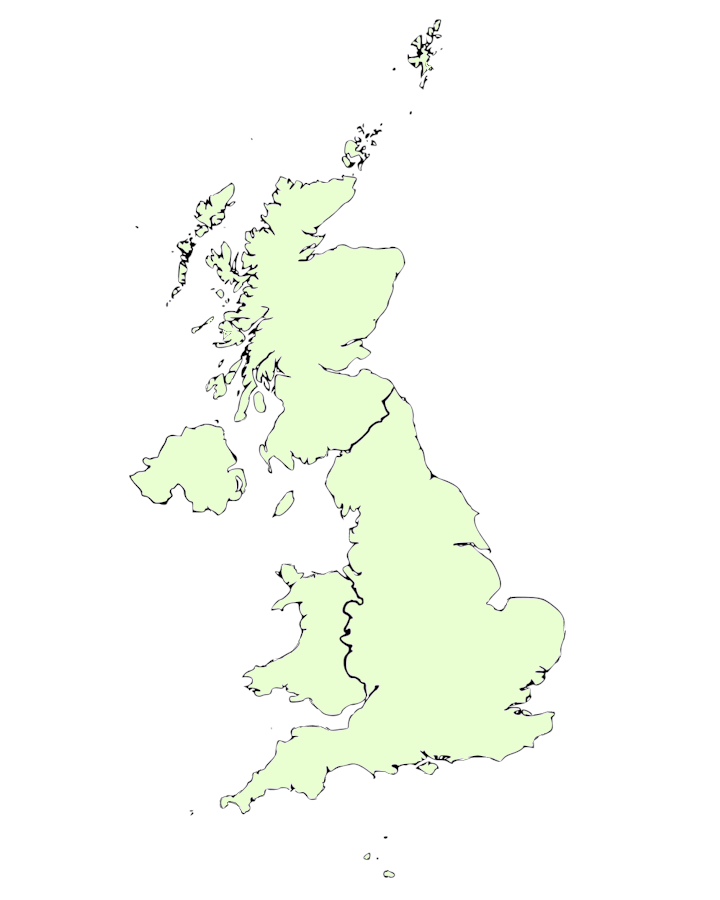
When looking at the map, a panoramic view of the spread of the surname Nephew in the territory of United Kingdom is displayed. The areas with a predominance of the surname are identified with distinctive tones, in contrast to the areas with little presence of the same.
Regions with High Concentration
Significant concentrations of the surname Nephew can be found in different parts of United Kingdom. These areas have traditionally been important centers in terms of economic and cultural development, which has contributed to the proliferation of the surname Nephew. The marked presence in these areas may be linked to factors such as human mobility, the economic situation and other relevant socioeconomic elements.
Regions with Low Concentration
In an opposite scenario, areas with little presence of the surname Nephew are located in rural environments or with lower population density. It is likely that these regions have experienced fewer arrivals of people with this surname, mainly due to low immigration, geographic limitations, lack of economic opportunities or social influences.
Historiographic Reflection
From a historiographic perspective, the study of the dispersion of the surname Nephew in United Kingdom reveals the complexity of human interactions over time. Various factors such as migratory movements, war conflicts and changes in political power have had a significant impact on the geographical distribution of the surname.
It is interesting to observe how certain historical events have left a mark on the presence of the surname Nephew in different regions of United Kingdom. In some cases, a particular concentration of the surname can be noticed in certain areas, while in others the presence is more diffuse. All of this invites us to reflect on the complex network of interactions that have shaped the history and identity of people over time.
Demographic Factors
Migration
The mobility of people both within and outside the borders of United Kingdom has had a significant impact on the dispersion of the surname Nephew. Various migratory flows have contributed to the presence of the surname in different parts of the country, thus enriching the cultural and demographic diversity of the region.
Likewise, the emigration of inhabitants of United Kingdom to other countries has had an impact on the distribution of the surname internationally, creating transnational connections and expanding the global reach of the family history marked by the surname Nephew.
Urbanization
Over the last decades, the phenomenon of urbanization has caused a marked concentration of the surname Nephew in urban areas of United Kingdom. The dynamics of the cities, with their work and educational opportunities, have been a magnet for families with the surname Nephew, which has resulted in a notable increase in their presence in these metropolitan areas.
Socioeconomic Changes
The transformations in the socioeconomic configuration of United Kingdom have had a significant impact on the dispersion of the surname Nephew. In this sense, the growth of certain economic sectors has caused population movements towards areas where these sectors predominate, which is reflected in the geographical distribution of the surname.
Distribution of the Surname Nephew in the World
Global Expansion of the Surname Nephew
The story of the surname Nephew is a global story that transcends borders and continents. Over time, the surname Nephew has traveled across seas and lands, carrying with it the heritage and identity of its bearers.
Nowadays, it is not uncommon to find the surname Nephew in places as diverse as United Kingdom, as migration and diaspora have played a crucial role in its dispersion. From America to Asia, from Europe to Africa, the surname Nephew has left its mark in every corner of the planet.
The global presence of the surname Nephew is a testament to the richness and diversity of human genealogy. Every time we encounter someone with this surname, we are witnessing a fragment of human history, a reminder that we are all connected in some way or another.
Main Countries of Presence
The surname Nephew is known and recognized in various nations around the world. These countries have witnessed a marked presence of people with this surname, many of whom originally come from United Kingdom. This phenomenon has contributed to the spread and roots of the surname in distant territories, in a migration process that responds to different motivations and circumstances.
 United States
 Jamaica
 Canada
 Nigeria
 Botswana
 England
 India
India Saudi Arabia
 Bangladesh
 Tanzania
 China
China Cambodia
 Pakistan
 Uganda
 Germany
 Ireland
 Mexico
 Malaysia
 New Zealand
 Philippines
 Afghanistan
 Austria
 Rwanda
 Australia
 Singapore
 Bahrain
 Brazil
 South Africa
 Chile
Chile Egypt
Egypt Spain
Spain France
 Nothern Ireland
 Scotland
 Hong Kong
 Indonesia
 Iran
Iran Japan
Japan South Korea
 Mauritius
Influence of Family Origin on Global Diversity
International migration has played a crucial role in the global dispersion of surnames, such as the Nephew surname. Throughout history, significant events have caused large movements of individuals with this surname to various corners of the planet. These movements have been driven by the aspiration to improve their quality of life and access new opportunities.
Overall Conclusion
The surname Nephew has demonstrated a surprising capacity for adaptation and expansion throughout the world. Its presence in various countries and continents not only reflects the migratory history of United Kingdom, but also the influence and active participation of those who wear it in different international societies. The analysis of its dispersion provides a fascinating story about how global migration and settlement flows have shaped the identity and presence of this surname worldwide.
In summary, examination of the distribution of the surname Nephew both in United Kingdom and on a global scale reveals intriguing patterns and offers deep insight into demographic history and evolution , both from the country and from the global diaspora.


