Map of the Surname Nation in United Kingdom and in the World
Analysis of the geographical distribution of surnames
Exploring the geographical distribution of surnames is to immerse yourself in a fascinating journey through the history, migrations and settlements of families throughout the centuries. In this research, we will delve into the analysis of the presence of the surname Nation in United Kingdom and worldwide, unraveling historical patterns and demographic trends that have left their mark in different regions of the country and on the global panorama.
Geolocation of Lineage Nation in United Kingdom

History of the Lineage Nation
The Nation lineage has its roots in ancient times. This surname has been historically linked to different territories and traditions of United Kingdom, which has impacted its geographical expansion over the centuries.
Methodology
In carrying out this study, information was collected from various civil registries, censuses and other sources both from the past and present. The information collected was subsequently structured and analyzed with the objective of identifying the regions with the greatest presence of the surname Nation in United Kingdom, as well as to identify possible relevant distribution patterns.
Results
General Distribution
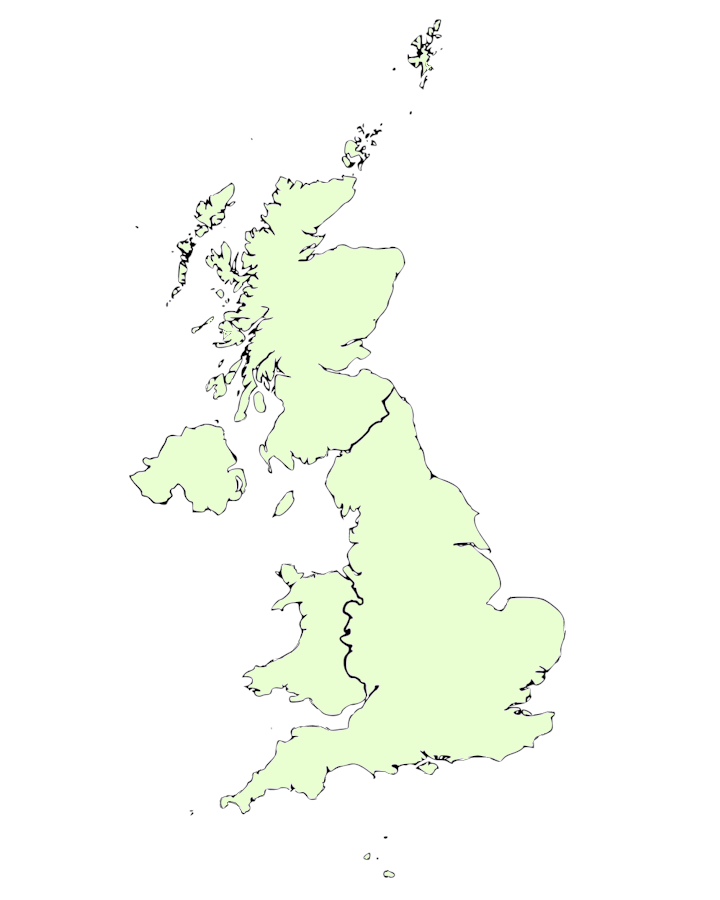
By looking at the map, you can clearly see the distribution of the surname Nation in the country United Kingdom. The areas where this surname is found in a greater proportion stand out with striking colors, while the areas with a lower presence appear differently.
Regions with High Concentration
The areas with the highest concentration of the surname Nation include various regions of United Kingdom. These regions have been recognized for their importance both economically and culturally, which has favored a greater presence of the Nation surname over the years. The marked presence in these areas may be linked to various factors such as immigration, economic development and other sociocultural and demographic aspects.
Underrepresented Regions
On the other hand, the territories with a lower incidence of the Nation surname tend to be those of a more rural nature or with a lower population density. It is possible that in these areas there has been a lower arrival of immigrants or movement of people with this surname, due to different factors such as geography, the availability of job opportunities or certain social aspects.
Historical Analysis
Since ancient times, the history of the surname Nation in United Kingdom has been marked by a series of events that have influenced its dispersion. Both internal and external migrations, war conflicts and political changes have been determining factors in its presence over the years. For example, at different historical moments one can notice fluctuations in the presence of the surname in different regions, this being the result of particular circumstances such as population displacements, wars or government decisions.
Demographic Factors
Migration
The mobility of people both within and outside the borders of United Kingdom has had a significant impact on the dispersion of the surname Nation. The arrival of various migrant groups to different areas of the country has contributed to increasing the presence of the surname in these areas. Likewise, emigration from United Kingdom to other nations has also influenced the internal distribution of the surname.
Urbanization
Urban transformation has caused a notable agglomeration of the Nation family in city areas of United Kingdom. The job and educational possibilities in these urban centers have seduced households with the surname Nation, increasing their influence in these metropolises. Furthermore, the cultural diversity and social dynamics present in these cities have enriched the identity of the Nation family, creating a vibrant environment full of opportunities for all its members.
Socioeconomic Changes
In recent years, changes in the socioeconomic structure of United Kingdom have had a considerable impact on the distribution of the surname Nation. On the one hand, the expansion of various industries has generated massive migrations of people to those regions where these industries have a significant weight, which translates into a geographical redistribution of the surname.
Likewise, factors such as globalization and the diversification of the economy have contributed to the transformation of the settlement patterns of the population, directly affecting the concentration of surnames in different areas of the country. These socioeconomic changes have had a notable impact on the demographic and cultural composition of various regions.
Distribution of the Surname Nation in the World
Global Expansion of the Surname Nation
The surname Nation is a relevant part in the history of world genealogy, transcending borders and continents. It is not only limited to United Kingdom, but has managed to expand throughout the planet, establishing roots in various countries and cultures. The presence of the surname Nation in different parts of the world is a reflection of migration and diaspora, connecting people of different origins and contexts.
Main Countries of Presence
The surname Nation has left an important mark in various nations around the world. These countries have witnessed a considerable migratory flow from United Kingdom, which has led to the growth and roots of the surname in their borders. The search for better job opportunities, favorable political conditions or the search for quality education have been decisive in this expansion.
 United States
 England
 Australia
 Jamaica
 Kenya
Kenya Nigeria
 New Zealand
 Canada
 South Africa
 Wales
Wales Malawi
 India
India Panama
 Indonesia
 Pakistan
 Ireland
 Isle of Man
 Antigua and Barbuda
 Belgium
 Costa Rica
 Netherlands
 Papua New Guinea
 Venezuela
 Germany
 Mexico
 Philippines
 Norway
 France
 Scotland
 Ghana
Ghana United Arab Emirates
 Sweden
 Thailand
 Bahrain
 Brazil
 Kiribati
 Sri Lanka
 Malaysia
 Dominican Republic
 Tanzania
 U.S. Virgin Islands
 Dominica
 Uganda
 South Korea
 Cayman Islands
 China
China Colombia
 Peru
Peru Greece
 Poland
 Croatia
 Puerto Rico
 Hungary
 Qatar
Qatar Romania
 Singapore
 Argentina
 American Samoa
 Iran
Iran Iceland
 Italy
Italy Benin
Benin Brunei
 Japan
Japan Botswana
 Zimbabwe
 Democratic Republic of the Congo
 Chile
Chile Lebanon
 Cameroon
 Morocco
 Denmark
 Nicaragua
 Algeria
 Spain
Spain
Impact of International Migration on Family Culture
International migration has had a significant impact on the global dispersion of the Nation surname. Throughout history, relevant events have generated massive movements of individuals with this surname to different countries. These displacements have been driven by the search for new perspectives and standards of living.
Overall Conclusion
The surname Nation has demonstrated an incredible capacity for adaptation and expansion throughout the planet. Its presence in various countries is a living testimony of the migratory and multicultural wealth of United Kingdom, as well as the positive influence that those who carry it with them have had in different global communities. The analysis of its dispersion provides us with a fascinating narrative about how migratory movements and integration processes have shaped the identity and trajectory of this surname internationally.
To conclude, exploring the distribution of the Nation surname both in United Kingdom and throughout the world reveals intriguing patterns and immerses us in a deep overview of the history and demographic evolution, both of the country and the global diaspora. A detailed look at these dynamics reveals the complexity and richness of human history and how each individual, with his or her own surname, contributes a unique fragment to global history.
Andere Sprachen


