Map of the Surname Myer in United Kingdom and in the World
Exploring history through surnames
Immersing ourselves in the analysis of the geographical distribution of surnames invites us on a journey through time, unearthing ancient stories of migrations, settlements and family connections. In this research, we will delve into the study of the presence of the surname Myer in United Kingdom and around the world, unraveling complex historical patterns and demographic trends that have left a lasting mark in various regions, both nationally and globally.
Comprehensive analysis of the dispersion of the lineage represented by the surname Myer in the lands of United Kingdom
Origin of the Surname Myer
The lineage of the Myer family has its roots in distant times, connecting its history with multiple traditions and territories of United Kingdom. This diverse heritage has played a key role in the geographical expansion of the surname over the centuries.
Research Process
In carrying out this study, data from civil registries, censuses and other sources, both ancient and current, were meticulously compiled. Once all the necessary information was collected, the collected data was organized and analyzed in order to identify the areas with the greatest presence of the surname Myer, as well as any significant pattern in its geographical distribution.
Results
General Distribution
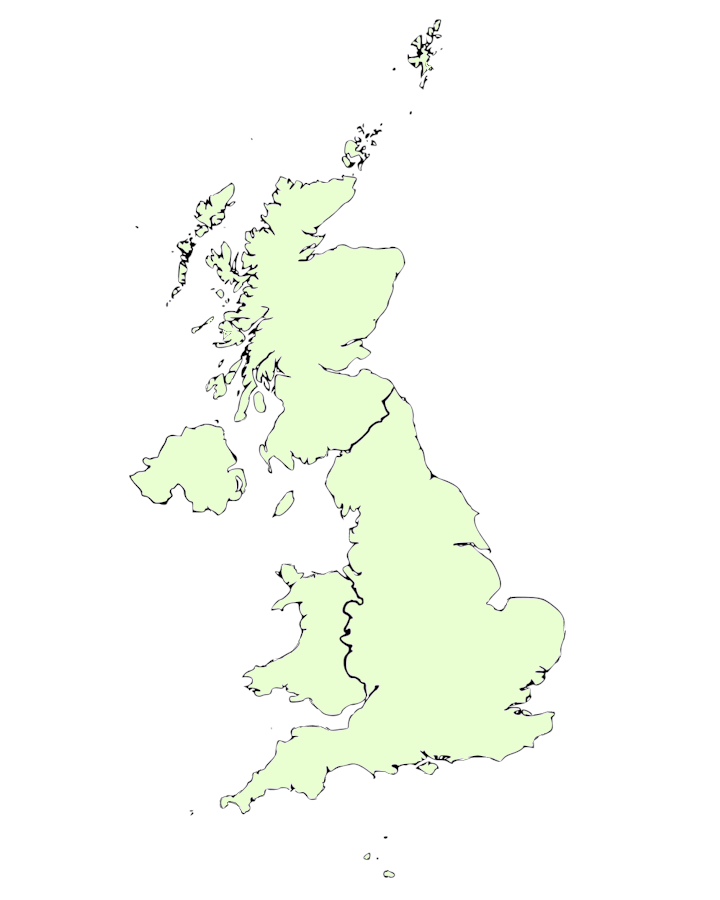
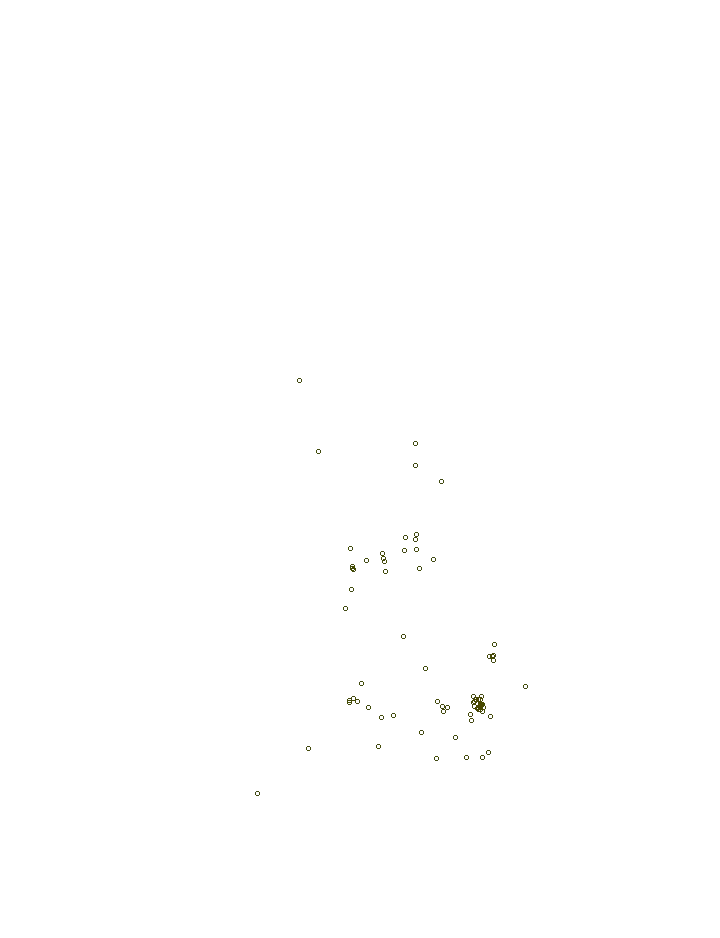
By looking at the map, you can generally see the distribution of the surname Myer in the country of United Kingdom. The areas with greater predominance of the surname are highlighted with striking colors, while the areas with less presence of the same are differentiated with another nuance.
Regions with High Concentration
The areas with the highest density of the surname Myer are found in different regions of United Kingdom. These areas have traditionally been key in terms of economic and cultural development, which has generated a greater prevalence of the surname Myer. This notable presence in these localities may be linked to different elements such as migration, the economic situation and other socioeconomic factors.
Regions with Low Concentration
In comparison, places with little representation of the Myer surname tend to be regions with lower population density or that are not as urbanized. These places have possibly experienced less migratory flow or mobility of individuals with this surname, whether due to geographical, economic or social reasons.
Historical Analysis
When exploring the history of the Myer surname in United Kingdom, it is fascinating to note how various events have impacted its dispersal over time. From internal and external migrations to armed conflicts and political changes, each has left its mark on the geographical distribution of this surname. For example, in different historical periods, an increase or decrease in the presence of the surname can be seen in certain regions, which may be related to mass migrations, devastating wars, or government decisions that have affected the population.
Demographic Factors
Migration
The mobility of people within and outside the borders of United Kingdom has had a significant impact on the dispersion of the surname Myer. Various migratory flows have contributed to the surname spreading throughout different regions of the country. Likewise, the emigration of individuals with the surname Myer from United Kingdom to other nations has also influenced their internal geographical distribution.
Urbanization
The evolution of cities has caused a notable concentration of the surname Myer in urban environments of United Kingdom. The work and academic possibilities in these urban centers have captured the attention of families with the last name Myer, increasing their presence in these metropolitan areas.
Socioeconomic Changes
The transformation in the socioeconomic structure of United Kingdom has had a significant impact on the way the surname Myer is distributed in the region. With the growth of certain economic sectors, there have been population movements towards areas where these sectors are dominant, which is clearly reflected in the geo-location of the surname.
Distribution of the Surname Myer in the World
Global Expansion of the Surname Myer
The influence of the surname Myer is not limited only to United Kingdom, but has transcended borders and has spread throughout the globe. This study details how and why the surname Myer has managed to reach different regions of the planet.
Main Countries of Presence
The surname Myer has established itself strongly in various corners of the world. These territories have witnessed a constant migratory flow from United Kingdom, which has contributed to the growth and roots of the surname in these lands. The search for new opportunities, the search for political stability or access to quality education have been determining reasons in this phenomenon of geographical dispersion.
 United States
 Liberia
 Canada
 Australia
 South Africa
 England
 Nigeria
 New Zealand
 Germany
 Trinidad and Tobago
 Philippines
 Aruba
Aruba India
India Wales
Wales Netherlands
 Iceland
 Brazil
 Panama
 Venezuela
 Russia
 South Korea
 Chile
Chile Greece
 Indonesia
 Italy
Italy Jamaica
 China
China Ecuador
 France
 Nothern Ireland
 Ireland
 United Arab Emirates
 Japan
Japan Austria
 Saint Lucia
 Bangladesh
 Luxembourg
 Bhutan
 Mongolia
 Malaysia
 Switzerland
 Cameroon
 Colombia
 Costa Rica
 Pakistan
 Poland
 Puerto Rico
 Spain
Spain Solomon Islands
 Gabon
Gabon Singapore
 Sierra Leone
 Thailand
 Scotland
 Tanzania
 Ghana
Ghana Guatemala
 Guam
Guam
Influence of International Migration
International migration has played a crucial role in the global dispersion of the Myer surname. Throughout history, significant events have driven large movements of individuals with this surname to various regions of the planet. These migrations have been driven by the search for an improvement in living conditions and the exploration of new opportunities.
Migratory flows have contributed to enriching cultural and genetic diversity in different parts of the world, strengthening ties between people of different origins and nationalities. Likewise, they have allowed the transmission of traditions, customs and values through generations, creating a global network of connections between individuals with the same last name Myer.
International migration has played a fundamental role in shaping the family and national identity of those who share the surname Myer, generating a sense of belonging and roots in both the country of origin and the host country. In addition, it has favored the integration of new perspectives and experiences in the receiving communities, enriching the social fabric and promoting tolerance and respect for diversity.
Overall Conclusion
The Myer surname has stood out for its ability to adapt and its wide dispersion throughout the planet. Its presence on various continents not only reflects the migratory history of United Kingdom, but also the integration and contribution of those who carry it in different societies around the world. The analysis of its distribution provides us with a fascinating narrative about how migrations and settlements have shaped the identity and presence of this surname on a global level.
In conclusion, examining the distribution of the surname Myer both in United Kingdom and in the rest of the world reveals intriguing patterns and provides us with deep insights into the history and demographic evolution of both the country and the global diaspora.


