Map of the Surname Minus in United Kingdom and in the World
Exploring history through surnames
Immersing yourself in the analysis of the geographical distribution of surnames is like opening a history book that reveals the movements and migrations of families over the centuries. In this investigation, we will delve into the distribution of the surname Minus in United Kingdom and in other corners of the planet, unraveling the threads that connect people through time and space.
Geographical analysis of the Minus Lineage in the Territory of United Kingdom

History of the Surname Minus
The lineage of the Minus family dates back to ancient times. Throughout history, this surname has been linked to different places and traditions of United Kingdom, which has contributed to its spread throughout different geographical areas over the centuries.
Research
In carrying out this study, data was collected from various sources such as civil registries, demographic censuses and historical and current reports. These data were meticulously compiled and evaluated to determine the areas with the greatest presence of the surname Minus, in addition to identifying possible significant trends in its geographical dispersion.
Results
General Distribution
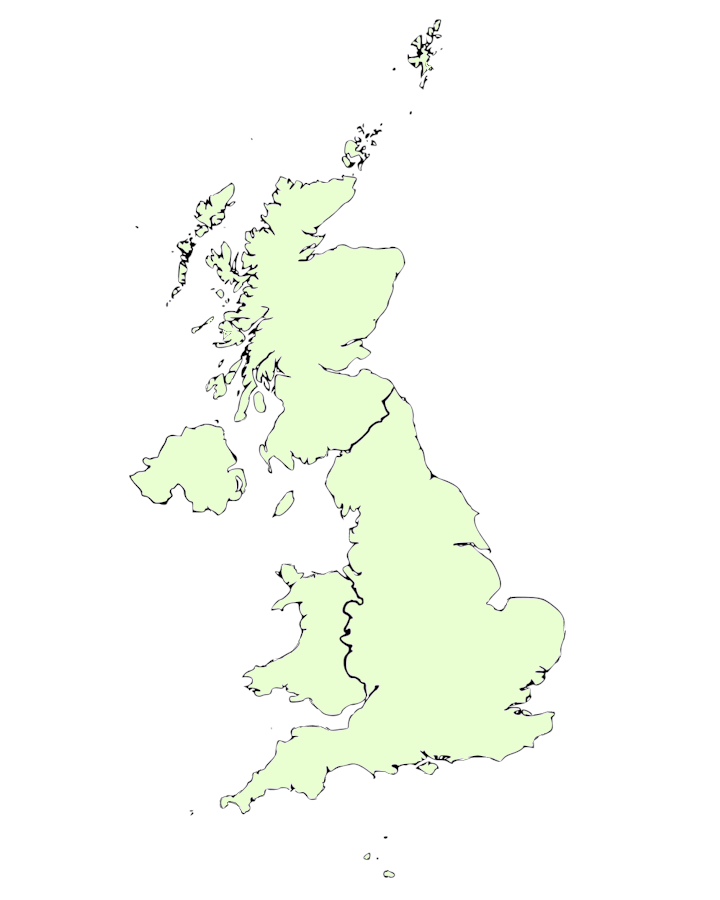
In the following map you can see in detail the distribution of the surname Minus in the country United Kingdom. Areas with a greater predominance of the surname are highlighted in more intense tones, while areas with a lesser presence are represented in a distinctive way.
Areas with High Concentration
The regions with the highest concentration of the Minus surname include various regions of United Kingdom. These regions have historically been important centers of economic and cultural activity, leading to a higher presence of the Minus surname. The significant presence in these areas may be related to factors such as migration, economy, and other socio-economic aspects. This concentration highlights the rich history and heritage of the Minus family in United Kingdom, showcasing the cultural significance and impact they have had on these regions.
Regions with Low Concentration
In contrast, regions with a lower proportion of people with the last name Minus tend to be less urbanized areas or with lower population density. It is common to find a lower presence of this surname in regions that have had less migration of people or geographic mobility, influenced by different factors such as the geography of the place, the economic opportunities available or even cultural and social aspects.
Historical Analysis
Since ancient times, the presence of the surname Minus in United Kingdom has been marked by a series of significant events that have influenced its dispersion. Various events such as internal and external migrations, war conflicts and changes in the political scenario have left their mark on the distribution of the surname throughout history. For example, in certain historical periods you can see an increase or decrease in the frequency of the surname in certain areas, which could be related to specific circumstances such as mass migrations, armed confrontations or restrictive government policies.
Demographic Factors
Migration
The mobility of people both within and outside the borders of United Kingdom has been a determining factor in the dispersion and presence of the surname Minus. Various migratory flows have contributed to the surname being found in more and more regions of United Kingdom, expanding its influence in different communities. On the other hand, emigration from United Kingdom to other nations has also had a significant impact on the geographical distribution of the surname, generating a global network of families with this same lineage.
Urbanization
Increasing urbanization has caused a notable concentration of the surname Minus in urban areas of United Kingdom. The employment and educational possibilities in these cities have generated great interest on the part of families with the surname Minus, which has resulted in a significant increase in their presence in these metropolitan areas.
Demographic Changes
The transformations in the demographic dynamics of United Kingdom have impacted the dispersion of the surname Minus. A clear example of this is the expansion of certain industries that has motivated migrations of individuals to areas where these industries are dominant, thus altering the territorial distribution of the surname.
Distribution of the Surname Minus in the World
Global Expansion of the Surname Minus
The lineage represented by the surname Minus has no borders, as it has managed to cross the geographical limits of United Kingdom and spread throughout the planet. This phenomenon of dispersion has occurred thanks to the mobility of people and the various migrations that have occurred throughout history.
It is impressive to observe how the surname Minus has managed to take root in places as diverse as Asia, America, Europe and Oceania, thus demonstrating the capacity for adaptation and survival of this lineage over the centuries. Every corner of the world has a different story about how the Minus surname came to their lands and integrated into local society.
Main Countries of Presence
The surname Minus is recognized in various countries around the world. These nations have witnessed an important migration from United Kingdom, which has contributed to the spread and roots of the surname in their territory. Migration, motivated by different reasons such as the search for better economic opportunities, favorable political conditions or the search for quality education, has played a crucial role in the expansion of this surname.
 United States
 Indonesia
 Bahamas
 Russia
 Ukraine
 Romania
 South Africa
 Australia
 Israel
 England
 Belarus
 Brazil
 Moldova
 Myanmar
 India
India Argentina
 Kazakhstan
 Nigeria
 Belgium
 Haiti
Haiti Mexico
 Netherlands
 Philippines
 Germany
 Spain
Spain France
 Greece
 Morocco
 Maldives
 Malaysia
 Norway
 Papua New Guinea
 Canada
 Portugal
 Switzerland
 Cameroon
 China
China Sweden
 Singapore
 Dominican Republic
 Algeria
 Egypt
Egypt Uzbekistan
 Finland
 Wales
Wales Liberia
 Lithuania
Influence of International Migration
International migration has had a significant impact on the global dispersion of the Minus surname. Throughout history, various events have caused large movements of people who bear this surname to different corners of the planet. These migrations have been driven by the search for new perspectives and favorable environments for personal and professional development.
Global Conclusion
The surname Minus has stood out for its ability to adapt and spread throughout the world. Its presence on various continents not only reflects the migratory background of United Kingdom, but also the way in which those who wear it have influenced and been part of different societies globally. By analyzing its distribution, we can perceive a fascinating story about how migratory movements and integration have shaped the identity and representation of this surname around the world.
In summary, exploring the distribution of the surname Minus both in United Kingdom and internationally reveals surprising patterns and gives us a deep look at the history and demographic changes of both the country and the global community.


