Map of the Surname Mandri in United Kingdom and in the World
Exploring Origins
Depending on the analysis of how surnames have spread throughout history, we embark on a fascinating journey through the roots and migrations of families. In this particular study, we are going to closely examine the distribution of the surname Mandri in United Kingdom and in different parts of the world, discovering historical connections and demographic phenomena that have shaped its presence in different regions of the country and on a global scale.
Lineage Location Map Mandri in United Kingdom

Origin of the Surname Mandri
The history of the surname Mandri goes back to ancient times. Over the years, this surname has been linked to different territories and traditions of United Kingdom, which has caused its expansion to different corners of the planet.
Research
In this research, data have been collected from a wide variety of sources, including civil registries, censuses, and historical and contemporary records. These data have been meticulously organized and analyzed with the aim of identifying the regions that present a higher concentration of the surname Mandri, as well as to identify possible significant distribution patterns.
In addition, current demographic trends have been carefully examined and a comparative analysis has been carried out between different generations, in order to obtain a comprehensive view of the presence of the surname Mandri in United Kingdom and its evolution over time.< /p>
Results
General Distribution
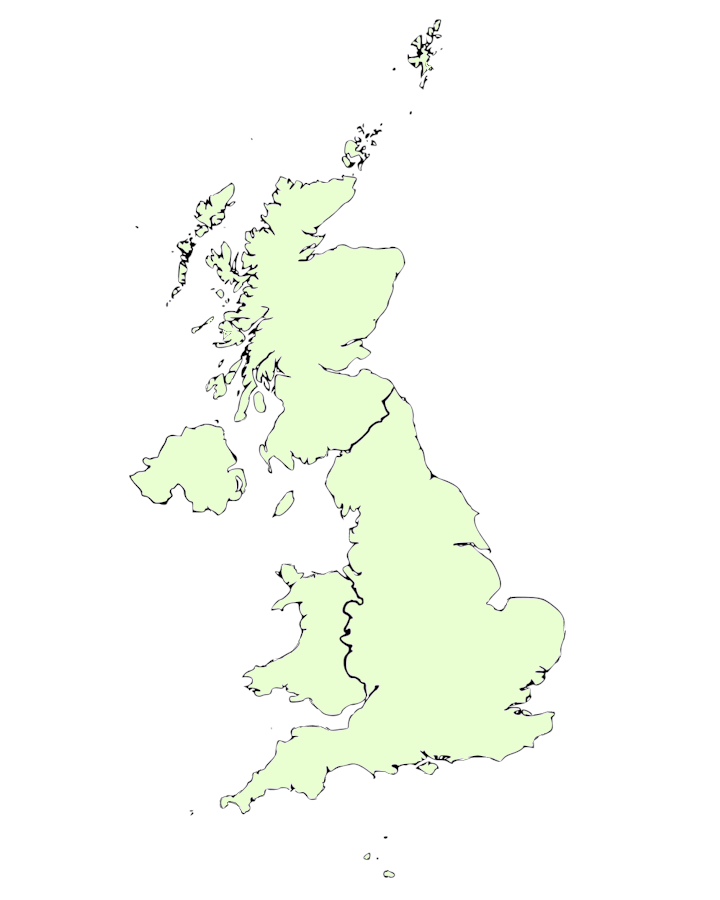
The graph below generally illustrates the dispersion of the surname Mandri in the beautiful United Kingdom. Places with a greater number of people with this surname are highlighted with bright colors, while areas with a lower presence are represented differently.
Regions with greater predominance
The places where the Mandri surname is most common cover different areas of United Kingdom. These territories have traditionally been highlighted for their relevance in the economic and cultural sphere, which has led to greater roots for the surname Mandri. The marked presence in these areas could be linked to reasons such as migration, the economic situation and other influential socioeconomic aspects.
Countries with Low Representation
On the other hand, the countries with the least presence of the surname Mandri are those that have a lower population density or that are less urbanized. In these places, it is possible that the immigration or mobility of people with this surname has been limited due to various reasons, such as geography, economic opportunities or social factors that have influenced its distribution. Consequently, it is important to consider these aspects when analyzing the global distribution of this surname and its impact in different regions of the world.
Historical Analysis
In the past, the spread of the surname Mandri into United Kingdom has been affected by various relevant events, including internal and external displacements, wars and changes in the political landscape. For example, in certain historical periods, there is an increase or decrease in the presence of the surname in different regions. These fluctuations may be related to particular situations such as migrations, wars, or government decisions.
Demographic Factors
Migration
The mobility of people both within and outside borders has had a significant impact on the dispersion of the Mandri surname. The arrival of various migratory groups to different areas of United Kingdom has contributed to increasing the presence of the surname in those locations. Likewise, emigration from United Kingdom to other countries has influenced the internal distribution of the surname, generating a cultural mix that enriches demographic diversity.
Urbanization
The phenomenon of urbanization has caused a notable density of the surname Mandri in some urban areas of United Kingdom. The job and educational possibilities in these urban centers have been a magnet for those families with the last name Mandri, increasing their presence in these metropolitan cities.
Socioeconomic Changes
The evolution of the socioeconomic structure in United Kingdom has had a direct impact on the dispersion of the surname Mandri. For example, the growth of different industries has motivated the migration of people to areas where these industries are predominant, which is reflected in the geographical distribution of the surname.
Distribution of the Surname Mandri in the World
Global Expansion of the Surname Mandri
The history of the Mandri surname is fascinating, since it not only has its roots in United Kingdom, but has managed to transcend borders and spread throughout the world. Migration and diaspora have been the main drivers of this geographical dispersion.
Over the centuries, the surname Mandri has found a home in different countries, adapting to new cultures and mixing with other lineages. From the distant lands of United Kingdom to the most remote corners of the planet, this surname has become a symbol of diversity and cultural enrichment.
Exploring the presence of the surname Mandri in different parts of the world leads us to discover stories of bravery, resilience and adaptation. Every corner of the globe where this surname has left its mark offers us a unique vision of how people have crossed borders in search of new opportunities and a better future for their descendants.
In short, the global dispersion of the surname Mandri is a reminder of humanity's extraordinary ability to connect and transcend barriers, celebrating our differences and building bridges to a more united and diverse world.
Main Countries of Presence
The surname Mandri has become prominently established in different parts of the world. In these countries, a considerable increase in migrants from United Kingdom has been observed, which has contributed to the growth and spread of the surname in those regions. Migration, motivated by economic, political or educational conditions, has played a fundamental role in this expansion.
 Indonesia
 Morocco
 Iran
Iran Brazil
 Albania
 India
India Argentina
 South Africa
 Estonia
 United States
 Spain
Spain Mexico
 United Arab Emirates
 Australia
 Greece
 Papua New Guinea
 Canada
 Italy
Italy Pakistan
 England
 Malaysia
 Niger
Niger Sweden
 Finland
 Fiji
Fiji New Zealand
 Belgium
 Taiwan
 Yemen
Yemen France
 Nigeria
 Philippines
 Saudi Arabia
 Thailand
 Switzerland
 Ivory Coast
 Cuba
Cuba Cyprus
 Czech Republic
 Germany
Influence of Global Diversity
Global diversity has been largely shaped by international migration, impacting the dispersion of the surname Mandri around the world. Through significant historical events, groups of people with this surname have emigrated to various countries on different continents, in search of new opportunities and ways of life.
Total Summary
The Mandri family has shown an impressive capacity for adaptation and expansion in all corners of the globe. Its presence on different continents not only reflects the migratory history of United Kingdom, but also the integration and contributions of those who bear this surname in various international societies. The analysis of their dispersion offers an enriching story about how migratory movements and colonization have influenced the identity and presence of this lineage on a global scale.
In conclusion, examination of the distribution of the surname Mandri both in United Kingdom and globally reveals fascinating patterns and offers an in-depth look at the past and demographic evolution of both the country and the global diaspora.


