Map of the Surname Mandar in United Kingdom and in the World
Geographical Investigation of Surnames
Immersing ourselves in the study of the geographical distribution of surnames takes us on a journey through time, exploring the migration, settlement and evolution of families around the world. In this investigation, we will analyze in detail how the surname Mandar has dispersed in United Kingdom and on the global stage, unraveling the historical patterns and demographic trends that have impacted its presence in various regions of the country and worldwide.
Distribution of Surnames Commonly Found in Country United Kingdom

Origin of the Surname Mandar
Every time the surname Mandar is spoken of, reference is made to an ancestral story that dates back to distant times. The connection of this surname with different territories and traditions of United Kingdom has played a fundamental role in its expansion over the centuries.
Procedure
In order to carry out this research, data has been collected from civil registries, censuses and a variety of sources, both historical and current. These data were carefully organized and analyzed in order to identify the regions where the surname Mandar has a more significant presence, in addition to detecting possible patterns in its distribution.
Results
General Distribution
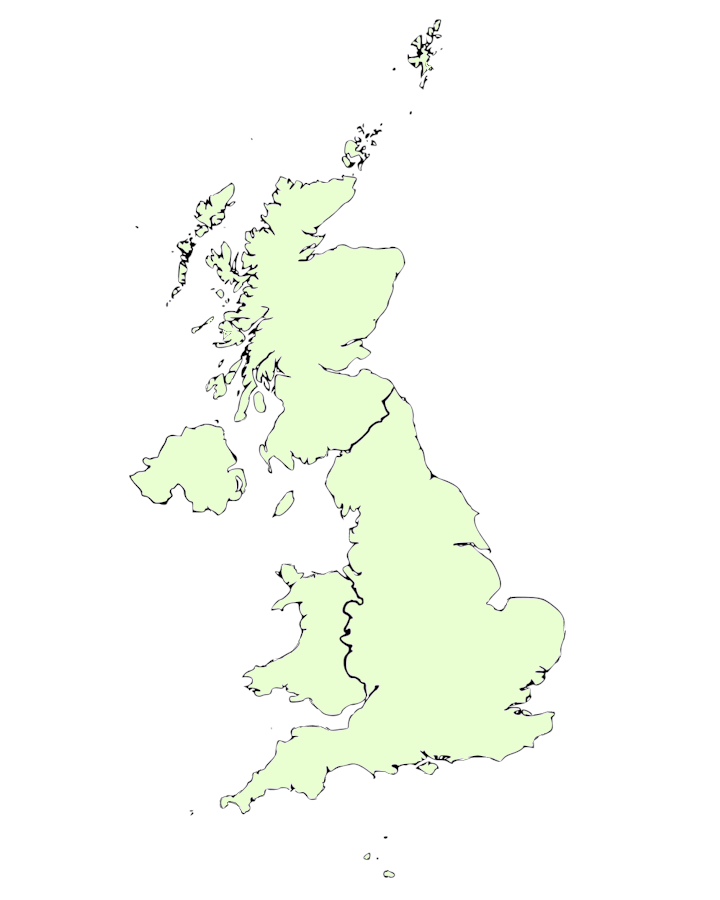
By looking at the map you can generally see the distribution of the surname Mandar in the country United Kingdom. Areas with greater concentration are highlighted with intense colors, while areas with a less notable presence of the surname are represented differently.
Regions with High Concentration
The areas where surnames similar to that of the Mandar family predominate are varied in United Kingdom. These places have traditionally been relevant in terms of economic and cultural development, which has led to a greater presence of the surname Mandar in the region. The notable number of individuals with this surname in these regions can be attributed to different factors, including migration, economics, and other socioeconomic dynamics.
Lower Frequency Areas
On the other hand, in less populated regions or where urbanization is less, a lower incidence of the surname Mandar is recorded. In these places, it is likely that the arrival of people with this surname has been limited, whether for geographical, economic or social reasons.
Historical Analysis
In history, the Mandar surname has experienced different dispersal patterns in United Kingdom, influenced by a series of significant events. From internal and external migrations, to war conflicts and political changes, they have contributed to the distribution of the surname over time. For example, at certain historical moments, an increase or decrease in the presence of the surname in certain regions can be observed, which is usually related to particular circumstances such as migratory movements, armed conflicts or government decisions.
Demographic Factors
Migration
The mobility of people both within and outside the borders of United Kingdom has had a significant impact on the dispersion of the surname Mandar. The arrival of various migratory flows to different areas of United Kingdom has contributed to the expansion and roots of the surname in those places. Likewise, emigration from United Kingdom to other countries has influenced the internal distribution of the surname, taking it beyond national borders.
Urbanization
The transformation of society has caused a massive migration of the Mandar surname to the urban areas of United Kingdom. The growth dynamics of these cities has led to a considerable increase in the presence of families with the surname Mandar, who find educational and employment opportunities in these metropolitan centers that promote their roots in the city.
Socioeconomic Changes
Over time, United Kingdom has undergone significant transformations in its socioeconomic structure that have had a direct impact on the way the surname Mandar is distributed. This dynamic is evident in demographic movements that respond to the rise of certain economic sectors in different regions, which is clearly reflected in the geographical distribution of this surname.
Distribution of the Surname Mandar in the World
Global Expansion of the Surname Mandar
The surname Mandar is not only rooted in United Kingdom, but its presence has spread worldwide thanks to migratory movements and the dispersal of families. This section analyzes how and why the surname Mandar has spread to different regions of the planet.
Main Countries of Presence
The Mandar family has established itself in various corners of the world. These countries have witnessed a significant arrival of immigrants from United Kingdom, which has contributed to the spread of the surname in different latitudes. The search for job opportunities, the escape from political conflicts or the search for a better education have been fundamental drivers in this expansion.
 India
India Philippines
 Indonesia
 Morocco
 Kuwait
 France
 Ukraine
 Papua New Guinea
 Nepal
Nepal Pakistan
 Turkey
 Canada
 Argentina
 Iran
Iran Mongolia
 Democratic Republic of the Congo
 Colombia
 United States
 Brazil
 Russia
 England
 Spain
Spain Saudi Arabia
 Singapore
 Tunisia
 Belgium
 Wales
Wales Venezuela
 Italy
Italy Peru
Peru Poland
 Australia
 Togo
Togo Algeria
 Trinidad and Tobago
 Egypt
Egypt Guam
Guam Haiti
Haiti Israel
 Malaysia
 Nigeria
 Netherlands
 Norway
Influence of International Migration
International migration has left a deep mark on the global dispersion of surnames. Throughout history, significant events have caused large movements of people with the surname Mandar to various corners of the world. These migrations have been motivated by the search for new opportunities and a better quality of life, thus transforming the reality of communities in different countries.
Overall Conclusion
The surname Mandar has demonstrated a remarkable capacity for adaptation and propagation in different corners of the planet. Its presence on various continents reflects not only the migratory future of United Kingdom, but also the integration and contribution of those who carry it in different international communities. The analysis of its dispersion unfolds a fascinating narrative about how migratory movements and settlements have influenced the identity and representation of this surname on a global level.
In summary, the investigation of the distribution of the surname Mandar in United Kingdom and globally reveals intriguing patterns and provides deep insight into the history and demographic evolution of both the country and the global diaspora.


