Map of the Surname Maltas in United Kingdom and in the World
Exploring history through surnames
Immersing yourself in the analysis of the geographical distribution of surnames is like opening a door to a fascinating journey through time. It allows us to delve into the history, migrations and settlements of families throughout the centuries. In this investigation, we will delve into the distribution of the Maltas surname in United Kingdom and throughout the world, unraveling historical patterns and demographic trends that have shaped its presence in different regions of the country and globally.
Geographic analysis of the Maltas lineage in the territory of United Kingdom
Origin of the Surname Maltas
The story behind the surname Maltas is fascinating and dates back to very ancient times. Over the years, this surname has been linked to different areas and traditions of United Kingdom, which has led to its spread to various corners of the world.
Methodological approach
In order to carry out an exhaustive study, data was collected from various sources such as civil registries, censuses, as well as historical and current archives. These data were subjected to a rigorous organization and analysis process in order to identify the regions with a greater presence of the surname Maltas in United Kingdom, as well as to detect possible significant patterns in its geographical distribution.
Results
General Distribution
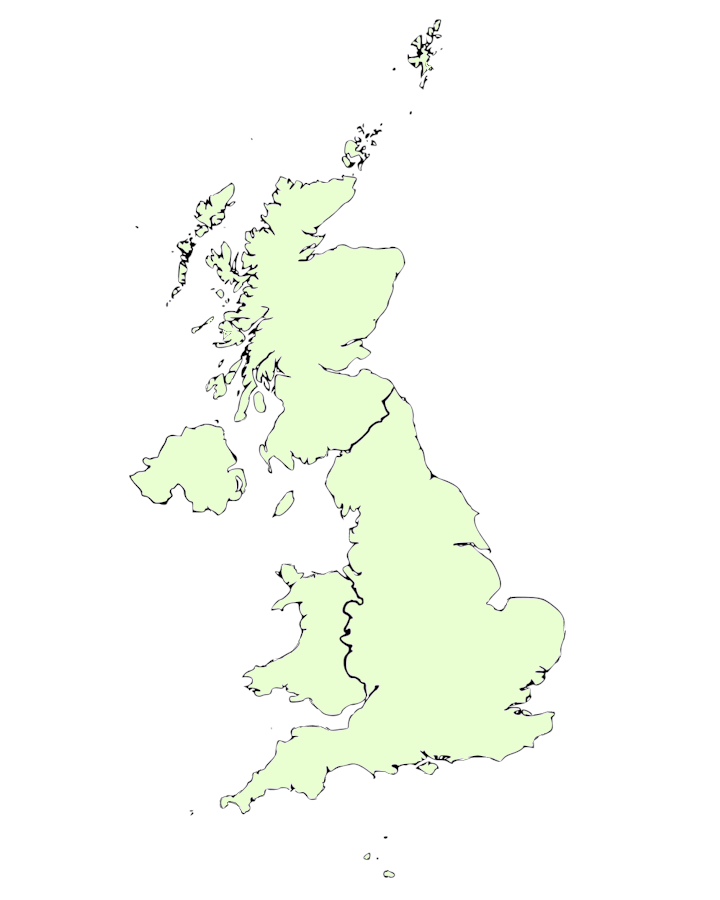
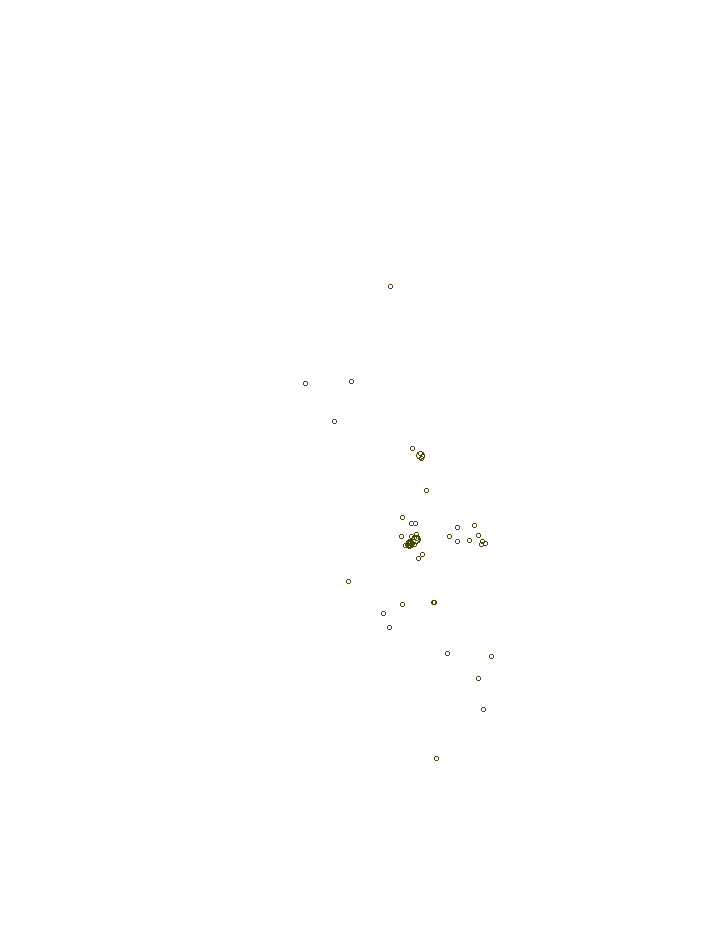
By analyzing the map, we can see a visual representation of how the surname Maltas is distributed in the territory of United Kingdom. Areas with a greater density of the surname are identified with intense colors, while those areas with a lower presence are distinguished in a contrasting way.
Regions with High Concentration
In different parts of United Kingdom you can find the areas with the highest concentration of the surname Maltas. These areas have traditionally been noted for their influence on the economy and culture, which has contributed to the further spread of the surname Maltas. The relevance in these regions can be linked to various factors such as migration, the economic situation and other socioeconomic aspects that have marked their history.
Countries with Low Presence
In contrast, the countries with the lowest presence of inhabitants of the country United Kingdom are those that are less developed or have a lower population density. These countries may have experienced less migration or mobility of people due to factors such as economy, geography or social problems.
Historical Analysis
Since ancient times, the presence of the surname Maltas in the country United Kingdom has been marked by a series of significant events that have shaped its distribution over the years. Factors such as internal and external migrations, war conflicts and changes in the political structure have played a crucial role in this process. At different times in history, an increase or decrease in the frequency of the surname can be seen in certain regions, which may be related to specific events such as mass migrations, armed conflicts or government decisions.
Demographic Factors
Migration
Population mobility, both within a country and to other countries, has had a significant impact on the dispersion of the Maltas surname. Various migratory groups have arrived in different regions of United Kingdom, contributing to the greater presence of the surname in those areas. Likewise, the emigration of people from United Kingdom to other nations has influenced the internal distribution of the surname in those places.
Urbanization
Rapid urbanization has been a determining factor in the concentration of the surname Maltas in urban areas of United Kingdom. Migration to cities in search of better job and educational opportunities has contributed to the increase in families with the surname Maltas, which has generated a significant increase in their presence in these metropolitan areas.
Socioeconomic Changes
The dynamics of the socioeconomic structure in United Kingdom have had a significant impact on the geographical dispersion of the surname Maltas. It is evident that the growth of certain economic sectors has motivated migrations of individuals to areas where these sectors are relevant, which is clearly reflected in the territorial distribution of the surname.
Distribution of the Surname Maltas in the World
Global Expansion of the Surname Maltas
The surname Maltas is one of the most widespread worldwide, with a presence not only in United Kingdom, but also in various countries around the world. Migration and diaspora have been determining factors in the dispersion of this surname throughout different regions.
The history of the surname Maltas is a reflection of human mobility throughout the centuries. Since its origins in United Kingdom, this surname has traveled across continents and oceans, establishing roots in different cultures and societies.
The geographical diversity in which the surname Maltas is found is a testament to the global interconnection in which we live. Each corner of the world that bears this surname has a unique history that contributes to the wealth and plurality of humanity.
Main Countries of Presence
The surname Maltas has been established in various countries around the world. These nations have witnessed a notable migration from United Kingdom, which has contributed to the spread and roots of the surname in their borders. Emigration motivated by different circumstances such as the search for job opportunities, the political situation or education has been a determining factor in this dispersion phenomenon.
 United States
 England
 Greece
 Spain
Spain France
 Brazil
 Argentina
 Germany
 Canada
 Australia
 Zimbabwe
 Chile
Chile India
India United Arab Emirates
 Cyprus
 Scotland
 Wales
Wales Cuba
Cuba Cape Verde
 Denmark
 Indonesia
 Malta
Malta Malawi
 Philippines
 Pakistan
 Thailand
 Venezuela
 South Africa
Impact of the Diaspora on Culture
The diaspora of Maltas origin has had a profound impact on global culture. Throughout history, numerous migrations have led to the dispersion of people with this surname throughout different regions of the world, thus enriching the cultural diversity of each United Kingdom. These movements have been driven by the search for new opportunities and experiences, creating unique connections between people from different backgrounds.
Overall Conclusion
The surname Maltas is a clear example of adaptability and expansion on a global scale. Its presence in different corners of the world not only speaks of the migratory movements of United Kingdom, but also of the influence and contributions of those who bear this surname in various international societies. When analyzing its dispersion, an interesting plot unfolds that reveals how migratory currents and integration processes have marked the identity and presence of this surname throughout the planet.
In summary, the examination of the distribution of the Maltas surname both in United Kingdom and globally yields revealing data and offers an in-depth approach to the history and demographic evolution, both of the country in question and of the global community as a whole. .


