Map of the Surname Lux in United Kingdom and in the World
Geographical exploration of surnames
The exploration of the geographical distribution of surnames immerses us in a fascinating journey through time, revealing the migratory movements and settlements of families. In this analysis, we are going to delve into the distribution of the Lux surname in United Kingdom and globally, unraveling historical patterns and demographic trends that have shaped its presence in different regions of the country and throughout the planet.
Study of the dispersion of the Lux family lineage in the territory of United Kingdom

Origin of the Surname Lux
The surname Lux is an ancestral legacy that has been forged over the centuries. Its history is intertwined with the roots of United Kingdom, witnessing the diversity and cultural richness of this land that has left its mark on its identity.
Methodology
In carrying out this study, information has been collected from different civil registries, censuses and various sources, both historical and contemporary. An exhaustive process of organization and analysis of the data has been carried out in order to identify the regions with a greater presence of the surname Lux, as well as to discover possible significant patterns in its distribution.
Results
General Distribution
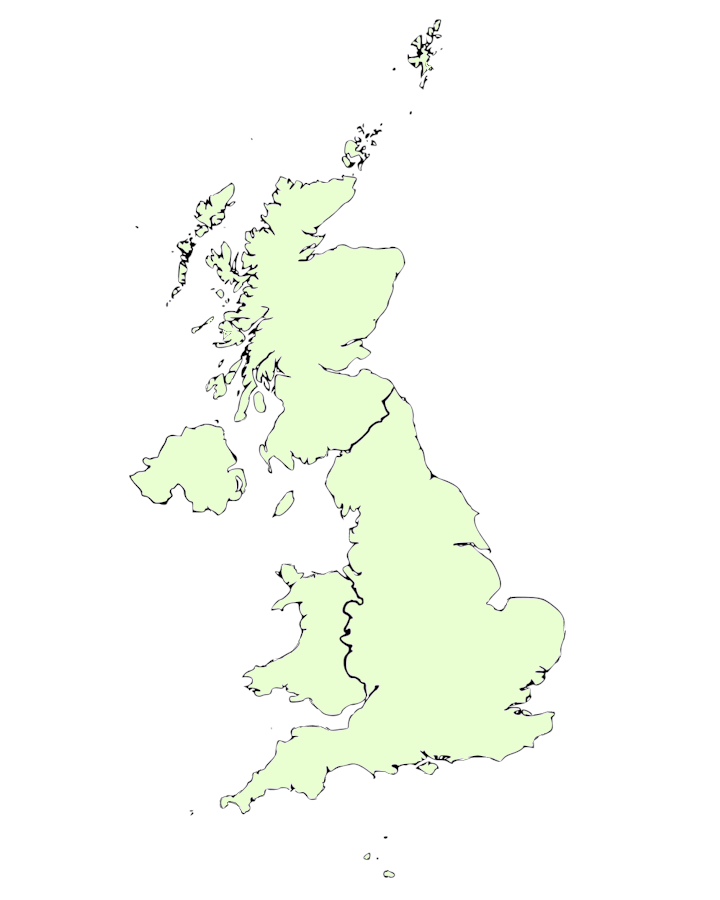
The graphical representation reveals the global distribution of the surname Lux in United Kingdom. The areas with the greatest predominance of the surname are clearly identified, highlighted in distinctive tones, and those areas with a lower incidence of the same are distinguished alternatively.
High Concentration Areas
Places with high concentrations of the surname Lux are found in several regions of United Kingdom. These areas have traditionally been centers of economic and cultural activity, which has contributed to a greater presence of the surname Lux. The importance of these areas can be linked to various factors such as migration, the economy and other socioeconomic aspects.
Countries with Low Representation
In comparison, the countries with the least presence of the surname Lux are those that are less urbanized or have a lower population density. These countries may have experienced less migratory flow or displacement of people with this surname, possibly due to geographical, economic or social reasons.
Historical Reflection
Throughout history, the spread of the Lux surname into United Kingdom has been marked by various significant events, such as internal and external population displacements, war conflicts and changes in the political scenario. It is interesting to note that at certain historical moments, there is an increase or decrease in the presence of the surname in certain geographical areas. These fluctuations may be related to specific events such as migrations, war crises or government decisions.
Demographic Factors
Migration
The mobility of people both within and outside borders has had a significant impact on the dispersion of the Lux surname. The arrival of various migrant groups to different areas of United Kingdom has contributed to the increase in the presence of the surname in these places. Likewise, emigration from United Kingdom to other nations has also influenced the internal distribution of the surname.
Urbanization
Urbanization has caused a marked concentration of the Lux surname in the urban areas of United Kingdom. The possibilities of economic and educational development present in these cities have been the magnet for families with the surname Lux, which has generated a notable increase in their presence in these metropolitan areas.
Cultural and Economic Changes
Transformations in the society and economy of United Kingdom have had a significant impact on the way the surname Lux is distributed. For example, the development of new industries and employment opportunities has led to migratory movements towards areas where these activities are predominant, which has influenced the geographical dispersion of the surname.
Distribution of the Surname Lux throughout the World
International Impact of the Surname Lux
The renowned surname Lux not only has roots in United Kingdom, but has experienced a worldwide expansion motivated by migratory movements and the dispersal of families. In this section, we will explore the reasons and consequences of the presence of the surname Lux in different regions of the planet.
Main Places of Residence
The Lux family has left its mark in various corners of the world. These places have witnessed a significant migratory flow from United Kingdom, which has contributed to the spread of the surname within their borders. The search for job opportunities, the political situation or the search for a better education are some of the reasons that have driven this diaspora.
 Guatemala
 Germany
 United States
 France
 Cambodia
 Belgium
 Austria
 Luxembourg
 Brazil
 Canada
 Czech Republic
 Hungary
 Argentina
 Morocco
 Netherlands
 England
 Italy
Italy Indonesia
 Poland
 Portugal
 Australia
 India
India Switzerland
 Slovakia
 South Africa
 Spain
Spain Mexico
 Colombia
 Denmark
 Sweden
 New Caledonia
 China
China Papua New Guinea
 New Zealand
 Thailand
 Nigeria
 Egypt
Egypt Philippines
 Paraguay
 Chile
Chile Guam
Guam Wales
Wales Vietnam
 Venezuela
 United Arab Emirates
 Israel
 Monaco
 Montenegro
 Slovenia
 Croatia
 Norway
 Singapore
 Madagascar
 Mali
Mali Mauritius
 Tunisia
 Malawi
 Burundi
 Botswana
 South Korea
 Lebanon
 Sri Lanka
 Lithuania
 Romania
 Taiwan
 U.S. Virgin Islands
 Kazakhstan
 Ecuador
 Latvia
 Moldova
 El Salvador
 Syria
Syria Greece
 Bulgaria
 Turkey
 Hong Kong
 Honduras
 Oman
Oman Peru
Peru Pakistan
 Qatar
Qatar Algeria
 Serbia
 Rwanda
 Saudi Arabia
 Finland
 Albania
 Scotland
 Macedonia
 Ghana
Ghana Malta
Malta Burkina Faso
 Bermuda
 Malaysia
 Brunei
 Belize
 Ireland
 Yemen
Yemen Nepal
Nepal Ivory Coast
 Zambia
 Iraq
Iraq Iran
Iran Cameroon
 French Polynesia
 Japan
Japan Kenya
Kenya Costa Rica
 Cyprus
 Puerto Rico
 Kuwait
 Palestinian Territory
 Dominican Republic
Influence of Cultural Diversity
Cultural diversity has been a crucial phenomenon in the global spread of the surname Lux. Historical events of great relevance have led to mass movements of individuals with this surname across various nations. These movements have been driven by the aspiration to achieve greater opportunities and quality of life in different regions of the world.
Overall Conclusion
The surname Lux has demonstrated incredible versatility and expansion throughout the planet. Its presence in multiple regions denotes not only the historical migration of United Kingdom, but also the fusion and participation of those who carry it in various international societies. The examination of its dispersion provides us with an enriching story about how migratory movements and settlements have influenced the identity and presence of this surname on a global scale.
In summary, the analysis of the distribution of the Lux surname both in United Kingdom and worldwide reveals fascinating patterns and gives us a deep insight into the history and demographic evolution of both the country and the large global diaspora.
Andere Sprachen


