Map of the Surname Lost in United Kingdom and in the World
Exploring Family Stories
Diving into the analysis of the geographic distribution of surnames is like opening a family history book, where each page reveals a unique chapter of migration and settlement over the centuries. In this investigation, we will delve into the remarkable presence of the surname Lost in the beautiful country of United Kingdom and across the globe, unraveling ancestral connections and uncovering secrets buried in the land and in genealogical records.
Geographic Analysis of the Lost Family in the Territory of United Kingdom

History of the Surname Lost
The lineage of the Lost family has its roots in ancient times. Throughout history, this surname has been linked to multiple territories and traditions of United Kingdom, which has contributed to its wide geographical spread over the centuries.
Research
In order to carry out this study, data was collected from various registries, censuses and both historical and current sources. These data were meticulously organized and analyzed to identify the regions with the greatest presence of the surname Lost and to detect possible significant patterns in its geographical distribution.
Results
Geographic Analysis
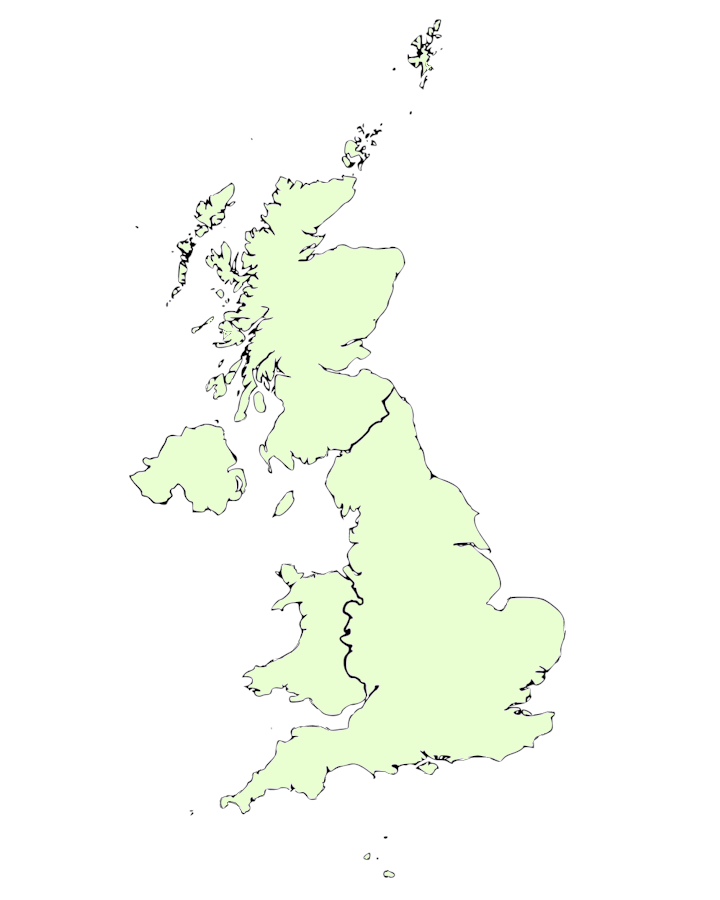
By looking at the map, we can see a visual representation of the distribution of the surname Lost in United Kingdom. The areas with a greater number of individuals with that surname are presented in more intense tones, while the areas with a lower presence of the same surname are clearly differentiated.
Regions with High Concentration
The areas where the surname Lost is largely concentrated are found in different areas of United Kingdom. These areas have played a relevant role in history as important centers in both economic and cultural activity, which has given the surname Lost a prominent presence. The marked presence in these regions may be linked to factors such as migration, the economic situation and other relevant socioeconomic aspects.
Regions with Low Concentration
On the other hand, less crowded or remote regions are where a lower presence of the surname Lost is recorded. These places may have experienced a lower migratory flow or exchange of people with this surname, possibly influenced by aspects such as geographical environment, employment opportunities or social circumstances.
Historical Analysis
Since ancient times, the presence of the surname Lost in United Kingdom has been shaped by a series of momentous events, such as the migration of both internal and external populations, war conflicts and changes in the political landscape. For example, in different historical eras, an increase or decrease in the distribution of the surname can be observed in certain geographical areas. This phenomenon may be linked to particular events such as migratory movements, armed conflicts or government decisions.
Demographic Factors
Migration
The mobility of people both within and outside borders has had a significant impact on the dispersion of the Lost surname. Various migratory flows have led to the surname spreading through different regions of United Kingdom, thus contributing to its presence in these areas. Likewise, emigration from United Kingdom to other countries has modified the internal distribution of the surname, generating new communities abroad that share this same lineage.
Urbanization
The evolution of cities has caused a marked concentration of the Lost surname in the urban areas of United Kingdom. The work and academic possibilities in these urban centers have attracted the attention of family groups with the last name Lost, which has generated a notable increase in their presence in these metropolitan conglomerates.
Socioeconomic Changes
Transformations in the socioeconomic structure of United Kingdom have had an impact on the way the surname Lost is distributed. For example, the growth of certain economic sectors has generated population movements towards areas where these industries are dominant, which is reflected in the way in which the surname is geographically dispersed.
Distribution of the Surname Lost on the Planet
Global Impact of the Surname Lost
The lineage of the Lost family is not limited only to United Kingdom, but has spread throughout the world thanks to migratory movements and the dispersal of its members. This section analyzes how and why the surname Lost has reached different corners of the planet.
Main Countries of Presence
The surname Lost is recognized in different countries around the world. These have witnessed a considerable migratory movement from United Kingdom, which has contributed to the spread of the surname within their borders. The search for better job opportunities, political instability and the search for quality education have been determining factors in this family expansion.
 Poland
 Germany
 France
 England
 South Sudan
 Brazil
 Canada
 Iran
Iran Chile
Chile Spain
Spain Ukraine
 Vanuatu
 South Africa
Influence of International Migration
The impact of international migration on the global dispersion of surnames is undeniable. Throughout history, momentous events have caused massive movements of individuals with the surname Lost to different corners of the world. These migrations have been driven by the hope of finding better horizons and an environment conducive to personal and family development.
Overall Conclusion
The surname Lost has demonstrated an incredible capacity for adaptation and expansion in various corners of the planet. Its presence on different continents not only reflects the migratory history of United Kingdom, but also the integration and contributions of those who carry it in different societies around the world. The analysis of its distribution provides us with a fascinating narrative about how migratory flows and settlements have influenced the identity and representation of this surname on a global scale.
To conclude, investigation of the distribution of the surname Lost both in United Kingdom and globally reveals intriguing patterns and offers a rich insight into history and demographic transformation both the country and the dispersed global community.


