Map of the Surname Kuli in United Kingdom and in the World
Geographical exploration of surnames
When we delve into the analysis of the distribution of surnames, we discover a fascinating panorama that connects us with the past and the migrations of different families throughout history. In this investigation, we will delve into the distribution of the surname Kuli in United Kingdom and around the world, unraveling intriguing historical patterns and demographic trends that have shaped its presence in different regions of the country and globally.
Geospatial analysis of the distribution of the surname Kuli in the territory of United Kingdom

Research on the Surname Kuli
The surname Kuli is currently the subject of study, since its origin is rooted in ancient traditions. Throughout history, this surname has been linked to multiple territories and cultures of United Kingdom, which has contributed to its geographical expansion over the centuries.
Methodology
To develop this study, information was collected from civil archives, demographic research and various sources, both historical and current. The information was structured and examined in detail with the aim of determining the areas where a greater presence of the surname Kuli is recorded, as well as identifying possible significant trends in its geographical dispersion.
Results
General Distribution
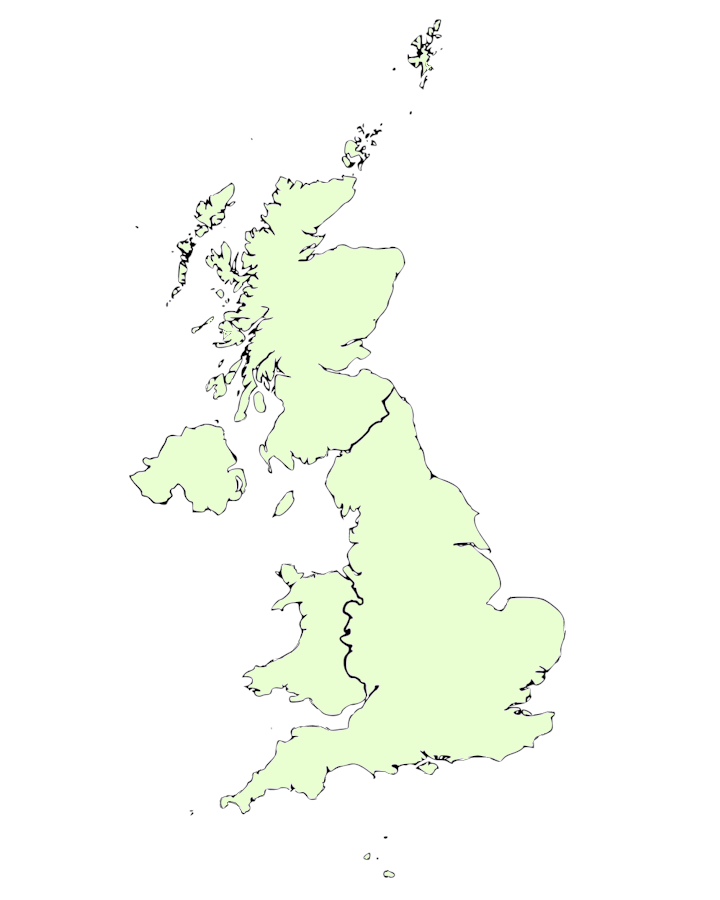
The graph below provides an overview of the geographical distribution of the surname Kuli in the country of United Kingdom. You can easily see the areas with the greatest predominance of the surname, represented in distinctive colors, as well as those regions where the presence of the surname is less recurrent.
Regions with High Concentration
The areas with the highest concentration of the surname Kuli are found in different parts of United Kingdom. These areas have traditionally been important centers of economic and cultural development, which explains the greater presence of the surname Kuli. The relevance of these places can be linked to various factors such as migratory mobility, economic situation and other sociocultural aspects.
Regions with Little Representation
In contrast, the places with minimal presence of the Kuli surname are those that are less urbanized or have a lower population density. These areas may have experienced less migratory flow or mobility of individuals with this surname due to reasons such as geographic environment, job opportunities or social dynamics.
Historical Analysis
Over time, the presence of the surname Kuli in United Kingdom has been shaped by various significant events, such as internal and external displacements, armed conflicts and political changes. For example, at different historical moments, an increase or decrease in the presence of the surname in certain geographical areas can be seen. This phenomenon may be related to particular situations such as migrations, wars or government decisions.
Demographic Factors
Migration
The mobility of people, both within and beyond the borders of United Kingdom, has had a significant impact on the spread of the surname Kuli. Migratory groups from various origins have arrived in different regions of United Kingdom, which has contributed to the expansion of the surname in these areas. Likewise, the emigration of people from United Kingdom to other countries has also influenced the distribution of the surname internally.
Urbanization
The urbanization trend has caused a notable increase in the presence of the surname Kuli in urban areas of United Kingdom. The economic and educational benefits that these cities provide have encouraged families with the surname Kuli to settle in these metropolitan areas, which has contributed to their consolidation in these places.
Socioeconomic Changes
Since time immemorial, changes in the socioeconomic structure of United Kingdom have left an indelible mark on the distribution of surnames such as that of the Kuli family. Thus, the evolution of history has witnessed how the evolution of certain economic sectors has marked the course of human migrations and settlements, having a significant impact on the geographical diversity of surnames.
Distribution of the Surname Kuli in the World
Global Expansion of the Surname Kuli
The genealogy of the surname Kuli is a fascinating puzzle that extends far beyond the borders of United Kingdom. Over the centuries, this surname has traveled to distant lands and has found a home in various corners of the planet.
The story of the surname Kuli is a testament to human migration and international connections that have helped shape our diverse society today. From United Kingdom to the most remote corners of the world, the surname Kuli has left a significant mark on human history.
Main Countries of Presence
The surname Kuli is known and recognized in various nations around the world. The influence of this surname extends across different geographic regions, with United Kingdom being one of the countries that has seen the greatest growth of this family.
The migration of people with the surname Kuli has been an important phenomenon in the history of United Kingdom, whether for work, political or study reasons. This diaspora has contributed to the cultural wealth and diversity of United Kingdom, enriching its community with new customs and traditions.
 India
India Papua New Guinea
 Ethiopia
 Hungary
 Democratic Republic of the Congo
 Philippines
 Indonesia
 Nigeria
 Uganda
 Fiji
Fiji Albania
 Turkey
 United States
 Marshall Islands
 Botswana
 Solomon Islands
 Malaysia
 Canada
 Russia
 Cameroon
 South Africa
 Greece
 Kenya
Kenya Thailand
 Estonia
 Tanzania
 Pakistan
 Poland
 United Arab Emirates
 Brazil
 China
China England
 Singapore
 Scotland
 Ghana
Ghana Zambia
 Kazakhstan
 Macedonia
 Slovenia
 Belarus
 Finland
 Syria
Syria Australia
 Iran
Iran Azerbaijan
 Moldova
 Czech Republic
 Germany
 France
 Slovakia
 Croatia
 Turkmenistan
 Afghanistan
 American Samoa
 Ireland
 Ukraine
 Austria
 Italy
Italy Bosnia and Herzegovina
 Belgium
 Zimbabwe
 Bulgaria
 Sri Lanka
 Benin
Benin Latvia
 Mexico
 Switzerland
 Ivory Coast
 Netherlands
 Norway
 Peru
Peru Spain
Spain Romania
Influence of International Migration
In human history, international migration has played a crucial role in the dispersion of the surname Kuli throughout the world. Over the years, various events have encouraged people with this surname to move to different countries in search of new opportunities and a better quality of life.
Overall Conclusion
The Kuli lineage has exhibited a surprising capacity for adaptation and dispersal across different geographies. The presence of this surname on various continents not only reflects the migratory history of United Kingdom, but also the integration and contributions of those who bear it in different international societies. The analysis of its distribution unfolds an enriching story about how migratory currents and settlement processes have influenced the identity and presence of this surname in a global context.
In summary, research on the distribution of the Kuli surname in United Kingdom and on a global scale reveals intriguing patterns and provides detailed insight into the history and demographics of both the country and the global diaspora.


