Map of the Surname Kul in United Kingdom and in the World
Exploring history through surnames
Immersing ourselves in the analysis of the geographical distribution of surnames invites us on a journey through time, unearthing ancient stories of migrations, settlements and family connections. In this research, we will delve into the study of the presence of the surname Kul in United Kingdom and around the world, unraveling complex historical patterns and demographic trends that have left a lasting mark in various regions, both nationally and globally.
Statistical data on the presence of the surname Kul in the territory of United Kingdom

History of the Surname Kul
The lineage of Kul has its roots in ancient times. Over the centuries, this surname has been linked to different areas and traditions of United Kingdom, which has contributed to its geographical expansion throughout history.
Inheritance Exploration
In the relentless quest to discover people's genealogy, a meticulous methodology has been used. Data has been collected from civil registries, censuses and other various sources of information, both historical and current. These data have been carefully organized and analyzed in order to identify the regions with the greatest presence of the surname Kul, as well as to discover any interesting pattern in its dispersion around the world.
Results
General Distribution
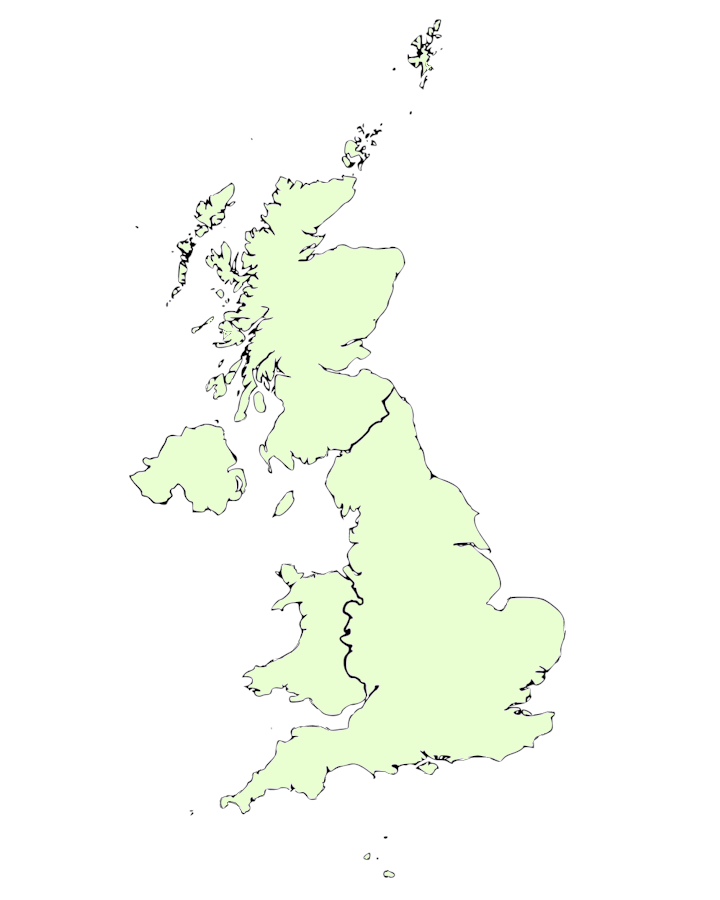
By looking at the map presented below, you can see the general distribution of the surname Kul in the territory of United Kingdom. The areas with a greater prevalence of the surname are identified by bright colors, contrasting with those areas in which the presence of the surname is scarcer.
Regions with High Concentration
The areas with the highest density of the surname Kul are found in multiple regions of United Kingdom. These geographical areas have traditionally been important centers of economic and artistic development, which has led to a greater presence of the surname Kul. The relevance in these areas may be linked to phenomena such as emigration, economic activity and other socio-cultural elements.
Regions with Low Concentration
In contrast, places with little representation of the surname Kul are usually found in remote areas or with lower density of inhabitants in United Kingdom. These places may not have had a mass arrival of immigrants with this surname due to reasons such as geographic location, lack of economic opportunities or social differences.
Historical Analysis
Throughout history, the presence of the Kul surname in United Kingdom has been shaped by a variety of crucial factors, such as internal and external migratory movements, war conflicts and changes in the political landscape. For example, at different historical moments, an increase or decrease in the spread of the surname in certain geographical areas can be perceived. These phenomena may be associated with particular circumstances such as displacement, war, or government decisions.
Demographic Factors
Migration
The phenomenon of migration, both internal and external, has had a significant impact on the dispersion of the surname Kul. The arrival of different migrant groups to different areas of United Kingdom has contributed to the increase in the presence of the surname in these areas. Likewise, emigration from United Kingdom to other countries has had repercussions on the internal distribution of the surname.
Urbanization
The evolution of cities has led to a notable intensification of the presence of the surname Kul in urban areas of United Kingdom. The job and academic possibilities in these urban centers have motivated families with the surname Kul to settle, increasing their representation in these metropolitan areas.
Socioeconomic Changes
The transformation of the socioeconomic dynamics in United Kingdom has had a significant impact on the dispersion of the surname Kul. For example, the exponential growth of certain economic sectors has generated movements of people to areas where these sectors predominate, which is clearly reflected in the geographical distribution of the surname.
Distribution of the Surname Kul in the World
Global Expansion of the Surname Kul
The surname Kul is not only limited to a single place, but has managed to spread throughout the world thanks to migratory movements and the diaspora. It is incredible to see how the surname Kul has managed to transcend borders and establish itself in different countries.
Main Countries of Presence
The surname Kul is widely recognized in different parts of the world. Throughout history, it has spread to several countries due to massive migrations from United Kingdom, which has contributed to the growth and roots of the surname in these territories. Emigration motivated by various reasons such as economic opportunities, political or educational conditions has been decisive in the global expansion of this family.
 Turkey
 India
India Cambodia
 Papua New Guinea
 Vietnam
 Afghanistan
 Ukraine
 Germany
 Poland
 Egypt
Egypt United States
 Thailand
 Switzerland
 Indonesia
 Brazil
 England
 Belgium
 Pakistan
 Taiwan
 Netherlands
 Sudan
Sudan Northern Cyprus
 Malaysia
 Austria
 Australia
 Singapore
 Estonia
 Canada
 Sweden
 France
 Russia
 Serbia
 South Sudan
 Nigeria
 United Arab Emirates
 Argentina
 Bulgaria
 Qatar
Qatar Croatia
 Ireland
 Cameroon
 Finland
 Oman
Oman Saudi Arabia
 Sri Lanka
 China
China Libya
Libya Uganda
 Georgia
 Israel
 Kosovo
 Nepal
Nepal Philippines
 Scotland
 Japan
Japan South Korea
 Czech Republic
 Denmark
 Norway
 Spain
Spain New Zealand
 Ghana
Ghana Portugal
 Albania
 Hong Kong
 Hungary
 Azerbaijan
 Solomon Islands
 Bosnia and Herzegovina
 Bangladesh
 Kenya
Kenya Slovakia
 Kyrgyzstan
 Bhutan
 Belarus
 Turkmenistan
 Kuwait
 Tunisia
 Democratic Republic of the Congo
 Kazakhstan
 Lithuania
 Macedonia
 Mauritius
 Uzbekistan
 Mexico
 Algeria
 Ecuador
Influence of Cultural Diversity
Cultural diversity has played a crucial role in the global spread of the surname Kul. Throughout history, important events have caused massive movements of individuals with this surname to various regions of the world. These movements have been driven by the search for new experiences and the improvement of living conditions.
Overall Conclusion
The surname Kul has demonstrated an exceptional capacity for adaptation and dispersion throughout the globe. Its presence on various continents is a reflection not only of the migratory history of United Kingdom, but also of the integration and contributions of those who wear it in the different societies to which they arrive. The analysis of its distribution provides us with a fascinating narrative that illustrates how global dynamics of migration and settlement have influenced the identity and presence of this surname worldwide.
In summary, examining the distribution of the Kul surname in United Kingdom and on a global scale reveals intriguing patterns and provides deep insight into the history and demographic evolution of both the country in question and the global community as a whole.< /p>


