Map of the Surname Kill in United Kingdom and in the World
Exploring the richness of surnames
Diving into the analysis of the geographical distribution of surnames is a fascinating journey that allows us to unravel the threads of history, migration and settlement of families through generations. In this investigation, we will delve into the distribution of the surname Kill both in United Kingdom and in the rest of the planet, discovering historical patterns and demographic trends that have left their mark in various national regions and worldwide.
Origin and geographical distribution of surnames in United Kingdom

History of the Surname Kill
The history of the surname Kill goes back to distant times. This surname has been linked over the centuries to different territories and traditions of United Kingdom, which has led to its geographical spread over the generations.
Research Process
In the research carried out, data was collected from different sources such as civil registries, censuses and historical and current documents. These data were meticulously analyzed and organized with the aim of identifying the areas with the greatest predominance of the surname Kill in United Kingdom, as well as to detect possible significant patterns in its geographical distribution.
Results
General Distribution
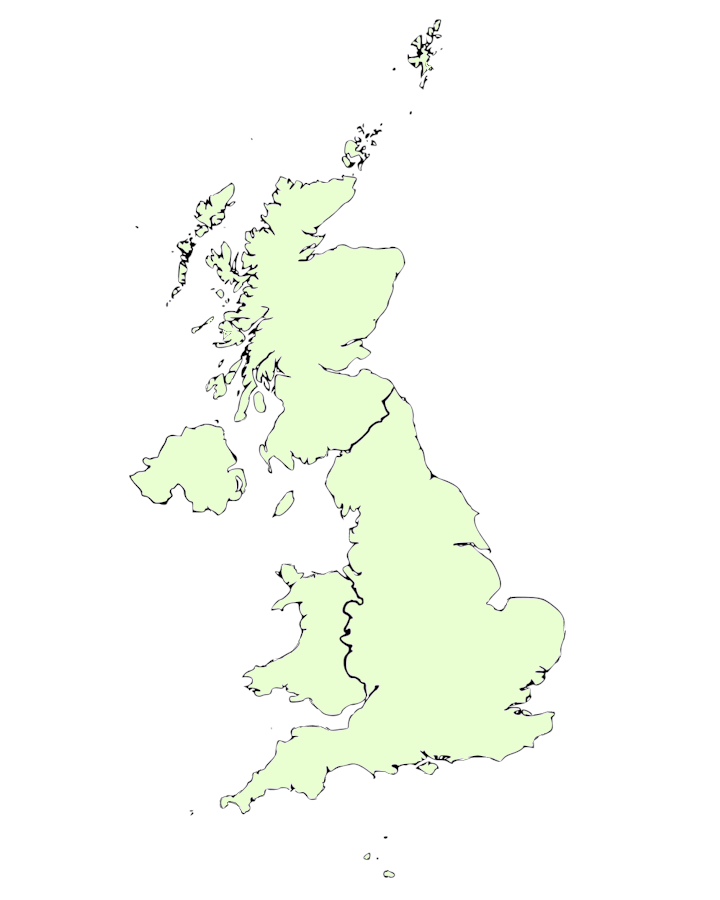
By looking at the map you can generally see the distribution of the surname Kill in the country of United Kingdom. The areas with a greater concentration of this surname are represented with striking colors, thus highlighting the areas where it is most common to find people with said surname. On the other hand, those regions with a lower presence of the surname are clearly differentiated through another graphic representation on the map.
Regions with High Concentration
The areas with the highest concentration of the surname Kill are usually found in different regions of United Kingdom. These places have traditionally been key nodes of cultural and economic activity, which explains the prominence of the surname Kill. This marked presence in these areas may be related to various factors, such as migration, economic situation and other socioeconomic aspects that influence the geographical distribution of surnames.
Regions with Low Concentration
On the other hand, the places with the lowest incidence of the Kill surname tend to be those that have a more rural environment or a lower population density. It is in these areas where a lower presence of individuals who share that same surname is evident, which can be attributed to various factors such as the low migratory flow, the limited mobility of people with that surname or even geographical, economic and social influences.
Historical Analysis
Since ancient times, the spread of the surname Kill into United Kingdom has been marked by a series of events that have left a deep mark on history. Migrations, both internal and external, wars and political changes have significantly influenced the distribution of this surname over the years. For example, in certain historical periods you can see an increase or reduction in the presence of the surname in different regions, which could be related to events such as mass migrations, wars or momentous political decisions.
Demographic Factors
Migration
The mobility of people both within and outside the borders of United Kingdom has had a significant impact on the dispersion of the surname Kill. The arrival of different migrant groups to various areas of the country has contributed to the increase in the presence of the surname in those places. On the other hand, emigration from United Kingdom to other nations has also influenced the internal distribution of the surname.
Urbanization
The transformation of rural areas into urban areas has resulted in a marked concentration of the surname Kill in cities of United Kingdom. The employment and educational possibilities offered by these urban centers have captured the interest of families with the surname Kill, causing a notable increase in their presence in these metropolitan cities.
Socioeconomic Changes
The transformations in the socioeconomic structure of United Kingdom have had a direct impact on the distribution of the surname Kill. It is notable how the growth of certain economic sectors has encouraged the migration of people to areas where these sectors are dominant, which is clearly reflected in the geographical dispersion of the surname.
Distribution of the Surname Kill in the World
Global Expansion of the Surname Kill
The history of the surname Kill is fascinating, since its presence is not limited only to United Kingdom. Thanks to migration and diaspora, this surname has spread to various parts of the planet, creating an unimaginable network of family connections. From faraway lands to local neighborhoods, the surname Kill has found a home everywhere.
Main Countries of Presence
The surname Kill has a notable influence in various corners of the world. These places have witnessed an important migration from United Kingdom, which has led to the spread of the surname in these regions. Displacements motivated by economic, political or academic issues have been decisive in this spread.
 United States
 Brazil
 Germany
 England
 Papua New Guinea
 France
 Luxembourg
 Poland
 India
India Australia
 Canada
 Iran
Iran Nigeria
 Belgium
 Wales
Wales Peru
Peru Estonia
 China
China Switzerland
 New Zealand
 Greece
 Indonesia
 Pakistan
 Scotland
 South Africa
 Spain
Spain Portugal
 Russia
 Singapore
 Thailand
 Vietnam
 Mexico
 Denmark
 Ukraine
 Bolivia
 Finland
 Sweden
 Hungary
 Italy
Italy Cameroon
 Netherlands
 Norway
 Philippines
 Romania
 Nothern Ireland
 United Arab Emirates
 Slovakia
 Armenia
 Togo
Togo Angola
 Argentina
 Ireland
 Turkey
 Austria
 Israel
 Taiwan
 Tanzania
 Bosnia and Herzegovina
 Iraq
Iraq Benin
Benin Venezuela
 Jordan
 Kenya
Kenya Kosovo
 Bhutan
 Liberia
 Democratic Republic of the Congo
 Central African Republic
 Malaysia
 Chile
Chile Nicaragua
 Colombia
 Nepal
Nepal Dominican Republic
 French Polynesia
 Fiji
Fiji
Influence of International Migration
International migration has been crucial in the global spread of the Kill surname. Throughout history, momentous events have caused massive movements of individuals with this surname to different regions of the planet. These migrations have been driven by the desire to improve prospects and quality of life.
Overall Conclusion
The Kill surname has demonstrated an exceptional capacity for adaptation and dispersion across different regions of the world. Its impact on various continents not only reflects the migratory history of United Kingdom, but also the integration and contribution of those who wear it in different societies globally. The analysis of its distribution provides an enriching narrative about how global dynamics of migration and settlement have influenced the identity and presence of this surname in the international sphere.
In summary, the investigation of the distribution of the Kill surname in United Kingdom and worldwide reveals fascinating patterns and provides deep insight into the history and demographic evolution of both the country and the global diaspora.
Andere Sprachen


