Map of the Surname Greek in United Kingdom and in the World
Exploring geographic diversity
Immersing yourself in the analysis of the geographical distribution of surnames is like opening a history book, full of stories about migrations, settlements and adaptations over the centuries. In this investigation, we will delve into the exciting world of surnames, in particular the surname Greek, to unravel its mark on United Kingdom and the rest of the world. Through this journey, we will unearth historical connections, demographic clues, and cultural patterns that have shaped the presence of this surname in different regions of the country and globally.
Geographic analysis of the lineage of the Greek family in the territory of United Kingdom

History of the Surname Greek
The lineage of the Greek family has its roots in ancient times. Throughout history, this surname has been linked to multiple territories and traditions of United Kingdom, which has contributed to its wide geographical spread over the centuries.
Methodological approach
In order to carry out an exhaustive study, data was collected from various sources such as civil registries, censuses, as well as historical and current archives. These data were subjected to a rigorous organization and analysis process in order to identify the regions with a greater presence of the surname Greek in United Kingdom, as well as to detect possible significant patterns in its geographical distribution.
Results
General Distribution
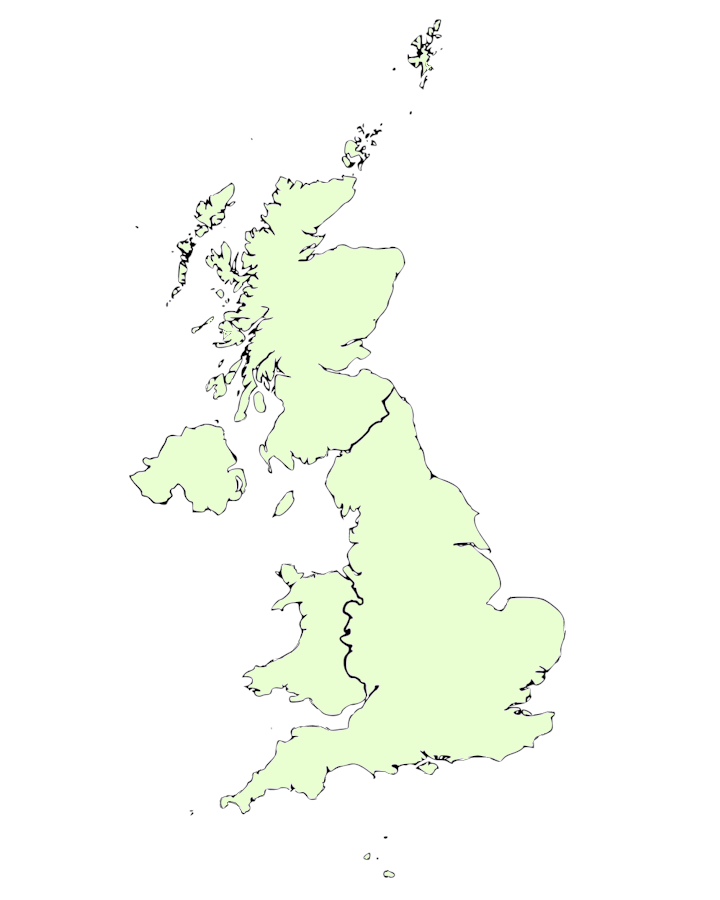
The graphical representation reveals the global distribution of the surname Greek in United Kingdom. The areas with the greatest predominance of the surname are clearly identified, highlighted in distinctive tones, and those areas with a lower incidence of the same are distinguished alternatively.
Discover the Regions with High Concentration
Explore areas where the surname Greek is especially prominent in different regions of United Kingdom. These areas have been traditionally recognized as centers of economic and cultural activity, which has contributed to a greater presence of the surname Greek. The importance of these places can be linked to factors such as migration, the economy and other key aspects of society.
Regions with Little Presence
On the other hand, areas with a low presence of the Greek surname tend to be those that are less urban or have a lower population density. In these areas, it is likely that the immigration or mobility of people with this surname has been limited due to various factors, such as geography, job opportunities or social aspects.
Historical Analysis
Since ancient times, the surname Greek has experienced a significant dispersion in United Kingdom due to a series of momentous events that have marked history. Factors such as internal and external migrations, war conflicts and changes in the political landscape have been determining factors in the evolution and distribution of this lineage.
For example, throughout different historical periods, variations in the presence of the surname Greek have been recorded in different regions of United Kingdom. These changes may be related to specific circumstances such as massive population displacements, armed conflicts, or even government decisions that have directly impacted the geographical dispersion of this surname.
Demographic Factors
Migration
Migration, both internal and external, has had a significant impact on the dispersion of the Greek surname. Various migratory flows have led to the arrival of people with this surname to different areas of United Kingdom, which has contributed to their greater presence in these areas. Likewise, migratory movements from United Kingdom to other countries have influenced the internal distribution of the surname.
Urbanization
In the context of urbanization, the concentration of the surname Greek in urban areas of United Kingdom is notable. This trend is due to the work and educational opportunities that cities offer, attracting families with the surname Greek and contributing to their growing presence in these metropolitan centers.
Socioeconomic Changes
The evolution of the socioeconomic structure in United Kingdom has had a direct impact on the dispersion of the surname Greek. It is interesting to observe how the growth of certain economic sectors has generated movements of individuals towards areas where these sectors are dominant, which translates into a characteristic geographical distribution of the surname.
Distribution of the Surname Greek in the World
Global Expansion of the Surname Greek
The surname Greek is not only rooted in United Kingdom, but has managed to expand globally thanks to the mobility of people and the different diasporas that have occurred throughout history. In this section we will explore how and why the Greek surname has managed to spread throughout various regions of the planet.
Main Countries of Presence
The surname Greek has taken root in different nations around the world. These countries have witnessed a population movement from United Kingdom, which has contributed to the spread of the surname in these territories. The search for new job opportunities, political instability or the search for a better education have been important motivations behind this geographical dispersion.
 United States
 Canada
 Greece
 Sweden
 England
 Iran
Iran Nigeria
 Israel
 India
India Cambodia
 Tanzania
 South Africa
 Australia
 Germany
 Norway
 France
 Spain
Spain New Zealand
 China
China Italy
Italy Egypt
Egypt Hungary
 Philippines
 Lebanon
 Belgium
 Cuba
Cuba Cyprus
 Kenya
Kenya Luxembourg
 Macedonia
 United Arab Emirates
 Mali
Mali Nicaragua
 Bulgaria
 Netherlands
 Bermuda
 Chile
Chile French Polynesia
 Qatar
Qatar Romania
 Serbia
 Saudi Arabia
 Singapore
 Thailand
 Scotland
 Turkey
 Croatia
 Indonesia
 Ireland
 Jordan
 Japan
Japan
Impact of Cultural Diversity
Cultural diversity has played a fundamental role in the global dissemination of the surname Greek. Throughout history, people with this surname have emigrated to different corners of the world, in search of new experiences and development opportunities. This phenomenon has contributed to enriching the history and identity of each United Kingdom, creating ties that transcend borders and promoting interconnection between cultures.
Overall Conclusion
The surname Greek has demonstrated a remarkable capacity for adaptation and dispersion throughout the world. Its presence in different countries reflects not only the migratory history of United Kingdom, but also the integration and contribution of its carriers in various international societies. The analysis of its distribution offers a fascinating narrative about how global dynamics of migration and settlement have influenced the identity and presence of this surname worldwide.
In summary, the investigation of the distribution of the surname Greek in United Kingdom and on a global scale reveals unique patterns and provides a deep insight into the history and demographic evolution of both the country and the international diaspora.


