Map of the Surname Flatter in United Kingdom and in the World
Discovering History through Surnames
Exploring the way in which surnames are distributed geographically takes us on a fascinating journey through time. In this investigation, we will carefully analyze how the surname Flatter has spread in United Kingdom and throughout the world, unraveling historical data and demographic statistics that have shaped its presence in different areas of the country and globally.
Geographical Study of the Family Lineage of Family Flatter in the Territory of United Kingdom

Origin of the Surname Flatter
The story behind the surname Flatter is as old as it is fascinating. Over the centuries, this surname has been linked to different territories and traditions of United Kingdom, which has contributed to its wide presence in various parts of the world.
Data Study
In order to conduct this research, data was collected from civil archives, censuses and other relevant historical and current sources. All the data were meticulously organized and subsequently analyzed to identify the geographical areas with a greater presence of the surname Flatter, as well as to detect possible significant patterns in the distribution of this surname.
Results
General Distribution
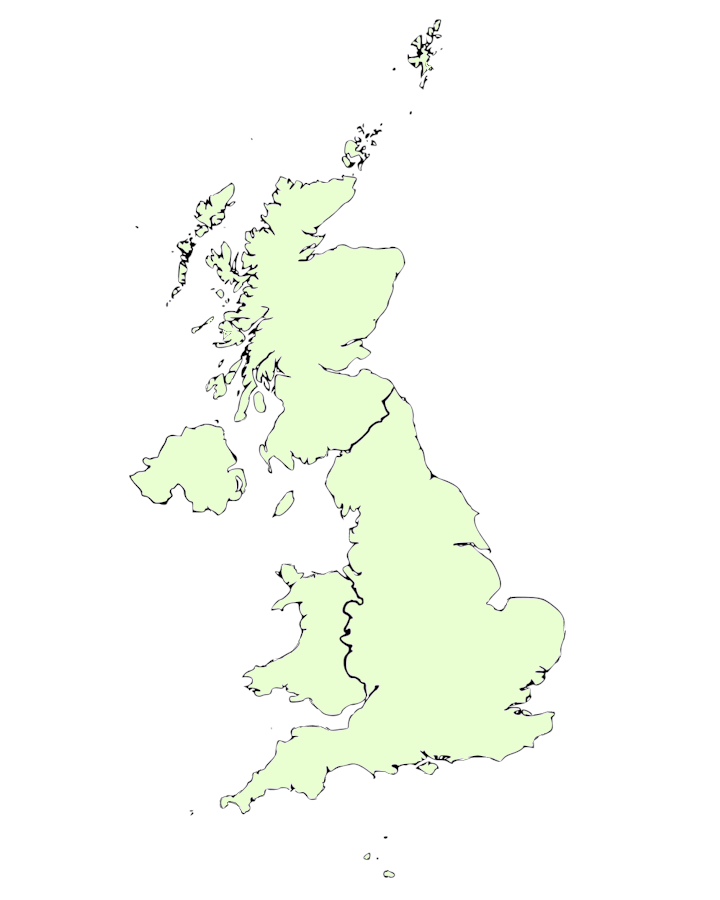
By looking at the map, you can see a global representation of how the surname Flatter is distributed in United Kingdom. The areas with a greater concentration stand out with specific tones, unlike those areas where the presence of the surname is less, marked differently.
Regions with High Concentration
Areas with the highest concentration of the surname Flatter can be found in a variety of regions in United Kingdom. These places have traditionally been centers of economic and cultural activity, which has contributed to the surname Flatter having a prominent presence. It has been suggested that the high concentration in these places may be linked to various factors such as migration, the economy and other socioeconomic aspects that have influenced the geographical distribution of the surname Flatter.
Regions with Low Concentration
On the other hand, there are areas in which the surname Flatter is less common, mainly in rural places or with a small population. These areas may not have seen as much immigration or movement of people with this surname, probably due to geographic location, lack of economic opportunities, or different social factors.
Historical Analysis
In historical terms, the spread of the surname Flatter into United Kingdom has been shaped by a series of decisive events that have left their mark over time. From massive population displacements to war conflicts and changes in the political landscape, various factors have played a fundamental role in the geographical distribution of this surname.
For example, at different times in history it has been possible to observe an increase or decrease in the presence of this surname in certain regions, a phenomenon that is usually associated with specific circumstances such as forced migrations, armed conflicts, or restrictive government policies.
Socio-Demographic Factors
Geographic Mobility
Mobility both within and beyond the borders of United Kingdom has had a significant impact on the distribution of the surname Flatter. Migratory movements have led to a greater concentration of the surname in certain regions, while emigration from United Kingdom to other countries has contributed to its dispersion globally.
Urbanization
Urban transformation has resulted in a marked concentration of the surname Flatter in urban areas of United Kingdom. The work and study possibilities in these urban centers have been a magnet for those with the surname Flatter, which has contributed to their notable presence in these metropolises.
Cultural and Economic Changes
Transformations in the society and economy of United Kingdom have had a significant impact on the way the surname Flatter is distributed. For example, the development of new industries and employment opportunities has led to migratory movements towards areas where these activities are predominant, which has influenced the geographical dispersion of the surname.
Distribution of the Surname Flatter in the World
Global Expansion of the Surname Flatter
The Flatter lineage not only has a presence in the country of origin, but has built a global network through migrations and diasporas. In this section we will explore the reasons and paths that have led the surname Flatter to be present in different regions of the planet.
Main Countries of Presence
The descent of the surname Flatter has spread to different corners of the world. Since United Kingdom they have moved to these nations in search of new opportunities, which has facilitated the spread of this surname in different territories. Factors such as job search, political stability or education have been determining factors in this phenomenon of family globalization.
 United States
 Germany
 England
 France
 Australia
 Argentina
 Philippines
 Austria
 Canada
 Italy
Italy Luxembourg
Influence of International Migration
The international migratory flow has had a significant impact on the dispersion of the Flatter surname throughout the world. Throughout history, key moments have caused large movements of individuals with this surname to different corners of the planet, in search of new perspectives and quality of life.
Overall Conclusion
The surname Flatter has stood out for its versatility and dispersion worldwide. Its presence in various countries not only reflects the migratory history of United Kingdom, but also the integration and contributions of those who carry it in different societies around the globe. The analysis of its distribution immerses us in a fascinating narrative about how migratory movements have influenced the identity and representation of this surname on a global level.
In summary, examining the distribution of the surname Flatter both in United Kingdom and in the rest of the world reveals intriguing patterns and provides us with deep insight into the demographic evolution and history of both, individually and in conjunction with the diaspora internationally.


