Map of the Surname Faranda in United Kingdom and in the World
Exploring Family Stories
Diving into the analysis of the geographic distribution of surnames is like opening a family history book, where each page reveals a unique chapter of migration and settlement over the centuries. In this investigation, we will delve into the remarkable presence of the surname Faranda in the beautiful country of United Kingdom and across the globe, unraveling ancestral connections and uncovering secrets buried in the land and in genealogical records.
Geographic Analysis of the Faranda Family in the Territory of United Kingdom

History of the Lineage Faranda
The surname Faranda has its roots in remote times, being linked to different traditions and territories of United Kingdom, which has marked its geographical trajectory over the centuries.
Methodology
To develop this study, information was collected from civil archives, demographic research and various sources, both historical and current. The information was structured and examined in detail with the aim of determining the areas where a greater presence of the surname Faranda is recorded, as well as identifying possible significant trends in its geographical dispersion.
Results
General Distribution
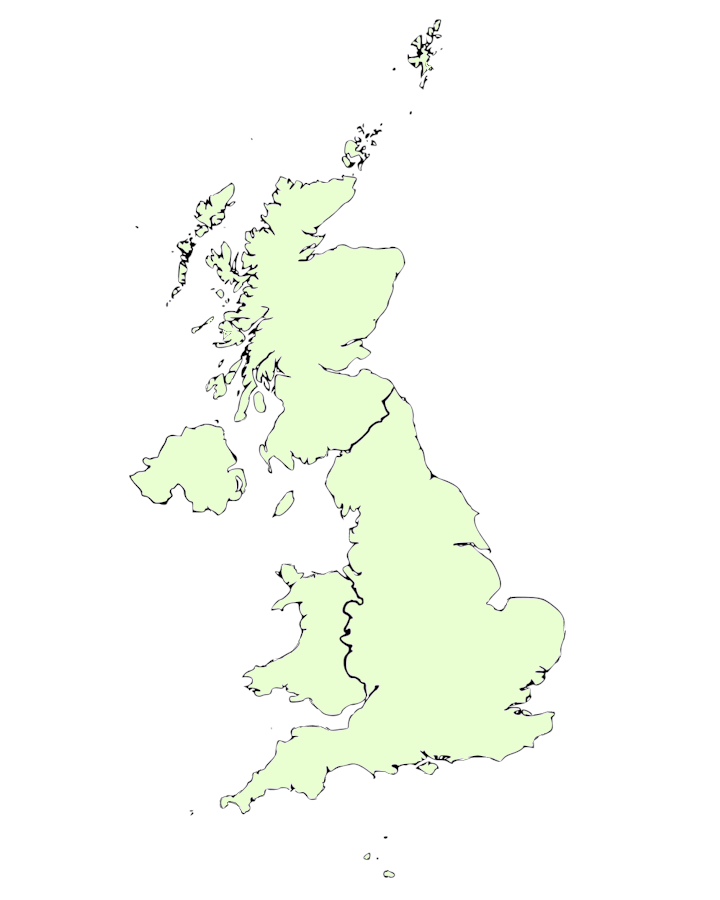
By looking at the map, we can generally see the distribution of the surname Faranda in the country United Kingdom. You can clearly distinguish the areas with the greatest predominance of the surname, represented with intense colors, and those areas where the presence is less notable, marked differently.
Geographic Concentration
In different areas of United Kingdom a high concentration of the surname Faranda can be observed. These areas, throughout history, have been key points in terms of commercial, social and cultural activity, which has contributed to a greater presence of the Faranda family. This notable presence in these regions may be linked to variables such as migratory movements, economic conditions and other relevant sociocultural factors.
Regions with Low Concentration
In contrast, the territories with little representation of the surname Faranda are located in rural areas or with lower population density. These places may not have received as much immigration or displacement of individuals with that surname due to various reasons such as geography, economic situation or social elements.
Genealogical Research
Over the years, the Faranda surname has experienced different levels of dispersion in United Kingdom territory, this is due to a combination of historical factors such as migratory movements, armed conflicts and changes in the political structure. For example, at certain historical moments an increase or decrease in the presence of the surname in certain regions can be observed, this being the result of events such as mass migrations, wars or government decisions.
Demographic Factors
Migration
The mobility of people, both within and outside the borders of United Kingdom, has significantly impacted the dispersion of the surname Faranda. Various migratory flows have converged in different areas of United Kingdom, which has contributed to the increase in the presence of the surname in these localities. Likewise, the emigration of individuals from United Kingdom to other countries has had repercussions on the distribution of the surname internally.
Urbanization
The modernization of cities has led to the massive migration of the Faranda surname to the urban areas of United Kingdom. The growth of work and study opportunities in these centers has generated a phenomenon of attraction for families with the surname Faranda, causing a notable increase in their presence in these cities.
Demographic Changes
The transformations in the socioeconomic dynamics of United Kingdom have had a significant impact on the dispersion of the surname Faranda. It is important to highlight that the growth of certain sectors of the economy has generated displacement of inhabitants towards areas where these industries are predominant, which is clearly reflected in the geographical distribution of the surname.
Distribution of the Surname Faranda in the World
Global Expansion of the Surname Faranda
The lineage of Faranda extends beyond the borders of United Kingdom, reaching various lands across the planet. The history of this surname is a reflection of the migration of people and the cultural mixtures that have shaped current societies. From distant lands to remote corners, the surname Faranda has found a place in human history.
Main Countries of Presence
The surname Faranda has left its mark in various nations around the world. These countries have witnessed a constant migratory flow from United Kingdom, which has contributed to the spread and roots of the surname in new lands. The search for economic opportunities, political changes or the search for a better educational level have been decisive in this spread.
 Italy
Italy United States
 Australia
 Argentina
 France
 Canada
 Indonesia
 Tanzania
 Germany
 England
 Poland
 Benin
Benin Switzerland
 Peru
Peru Norway
 Ukraine
 Austria
 Belgium
 Brazil
 Cameroon
 China
China Spain
Spain India
India Monaco
 Nigeria
 Oman
Oman Paraguay
 Russia
 Tunisia
Influence of International Migration
International migration has had a significant impact on the global dispersion of the Faranda surname. Throughout history, various events have caused large movements of people who bear this surname to different corners of the planet. These migrations have been driven by the search for new perspectives and favorable environments for personal and professional development.
Overall Conclusion
The surname Faranda has stood out for its amazing ability to adapt and spread throughout the world. Its presence on various continents not only reflects the migratory history of United Kingdom, but also the integration and contribution of those who carry it in different societies at a global level. The analysis of its dispersion provides an enriching narrative about how migratory flows and settlement processes have shaped the identity and representation of this surname on the world stage.
In summary, exploring the distribution of the surname Faranda in United Kingdom and on a planetary scale reveals fascinating patterns and provides a deep perspective on the history and demographic changes of both the country and the global community.
Andere Sprachen


