Map of the Surname Fakhir in United Kingdom and in the World
Exploring Family Stories
Diving into the analysis of the geographic distribution of surnames is like opening a family history book, where each page reveals a unique chapter of migration and settlement over the centuries. In this investigation, we will delve into the remarkable presence of the surname Fakhir in the beautiful country of United Kingdom and across the globe, unraveling ancestral connections and uncovering secrets buried in the land and in genealogical records.
Geographic distribution of the Fakhir family in the country of United Kingdom

Investigating the Fakhir Family Lineage
The surname Fakhir is an enigma that dates back to ancient times. Throughout history, this surname has been linked to different cultural and geographical contexts in United Kingdom, which has marked its trajectory through different territories over the centuries.
Process
In order to carry out this study, data was collected from various sources such as civil registries, censuses and historical archives. These data were carefully organized and subjected to an exhaustive analysis to identify the regions with the highest prevalence of the surname Fakhir in the country of United Kingdom, as well as to identify possible trends or patterns that could be of interest.
Results
General Distribution
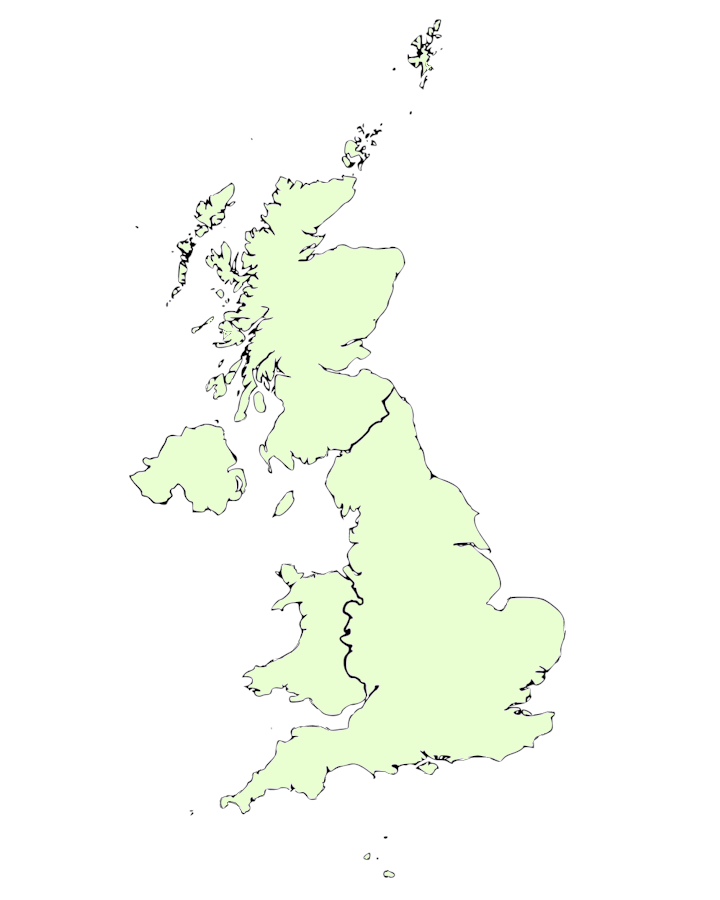
By analyzing the map we can visually observe the distribution of the surname Fakhir in the territory of United Kingdom. The areas where the population with this surname is concentrated are highlighted with particular tones, unlike those regions where its presence is scarcer.
Regions with High Concentration
The areas where the surname Fakhir is most concentrated cover various regions of United Kingdom. These territories have traditionally been key centers of economic and cultural activity, which has led to a greater presence of the surname Fakhir. The significant presence in these areas could be associated with factors such as migration, the economic situation and other relevant socioeconomic aspects.
Regions with Little Representation
On the other hand, in places with little presence of the surname Fakhir are those areas that are further away from large cities or with lower population density. It is possible that in these regions there has been a lower arrival of immigrants or movements of people with this surname, either due to geographical reasons, economic limitations or even cultural factors.
Historical Analysis
Since ancient times, the evolution of the surname Fakhir into United Kingdom has been shaped by a series of momentous events. Internal and external migrations, armed conflicts, and changes in the political scenario have left an indelible mark on the distribution of this surname throughout history. For example, at certain historical moments, an increase or decrease in the presence of the surname is perceived in certain geographical areas. This phenomenon is usually connected to particular events such as population displacements, war conflicts, or government decisions.
Demographic Factors
Migration
The mobility of people, both internally and externally, has had a significant impact on the dispersion of the surname Fakhir. The arrival of various migratory groups to different areas of United Kingdom has contributed to increasing the presence of this surname in these areas. Likewise, emigration from United Kingdom to other countries has influenced the internal distribution of the surname.
Urbanization
The transformation of rural areas into urban areas has led to a notable increase in the population with the surname Fakhir in United Kingdom. The growing offer of employment and education in these urban centers has been a magnet for those with the last name Fakhir, which has contributed to their greater presence in these metropolitan regions.
Socioeconomic Changes
In recent years, changes in the socioeconomic structure of United Kingdom have had a significant impact on the distribution of the surname Fakhir. The evolution of the economy in different regions has generated population displacements, with families seeking new opportunities in growing sectors.
As a result, a trend has been observed in the geographic distribution of the surname Fakhir, with concentrations in areas where economic activity is most prosperous. This phenomenon reflects the close relationship between social and economic changes, which directly influence the mobility and settlement of the population.
Distribution of the Surname Fakhir in the World
Global Expansion of the Surname Fakhir
The surname Fakhir is much more than just a family name, it is a representation of the cultural diversity that unites people from different parts of the world. Although originally associated with United Kingdom, the surname Fakhir has transcended borders and established itself in unexpected places, connecting individuals of diverse nationalities and cultures. This phenomenon of global expansion of the surname Fakhir is a reminder of the interconnectedness of humanity through migration and diaspora, as well as a reflection of the richness and variety of our personal and family histories.
Main Countries of Presence
The surname Fakhir is internationally recognized for its prominent presence in various nations around the world. Since ancient times, families with this surname have emigrated from United Kingdom to different destinations, which has contributed to their roots and renown in those territories. Factors such as job opportunities, political stability and access to education have been determining factors in the dispersion process of this distinguished family.
 Iraq
Iraq Morocco
 Pakistan
 Egypt
Egypt India
India Lebanon
 Kuwait
 Indonesia
 Yemen
Yemen United States
 Jordan
 Afghanistan
 France
 Iran
Iran Netherlands
 Tunisia
 England
 Malaysia
 United Arab Emirates
 Sri Lanka
 Syria
Syria Spain
Spain Austria
 Canada
 Maldives
 Sweden
 Germany
 Saudi Arabia
 Venezuela
 South Africa
 Australia
 Bangladesh
 Brazil
 Denmark
 Italy
Italy
Influence of International Migration
The phenomenon of international migration has had a significant impact on the global dispersion of surnames. Throughout history, events of great relevance have led to massive movements of individuals with the surname Fakhir to different countries on various continents. These displacements have been the result of the search for new opportunities and improvements in living conditions.
Overall Conclusion
The surname Fakhir is a clear example of the diversity and adaptability that can be observed around the world. Its presence in different countries and continents not only reflects the migratory history of humanity, but also the influence and participation of those who carry it with them in various international cultures. By analyzing its dispersion, a fascinating narrative can be discovered that reveals how migratory movements and integration have shaped the identity of this surname on a global scale.
Ultimately, by studying the distribution of the surname Fakhir both in United Kingdom and globally, intriguing patterns can be identified that offer deep insight into the history and demographic evolution, both nationally and in the global diaspora.


