Map of the Surname Dubanik in United Kingdom and in the World
Genealogical Exploration
Immersing ourselves in the analysis of the geographical distribution of surnames takes us on a fascinating journey through time and space. In this detailed investigation, we will delve into the presence of the surname Dubanik in United Kingdom and on the global stage, unraveling the complexities of migration, settlement and evolution of families over the centuries.
Analysis of the dispersion of the surname Dubanik in the territory of United Kingdom

Origin of the Surname Dubanik
The history of the surname Dubanik dates back to ancestral times, being a surname that has been linked to multiple territories and traditions of United Kingdom, which has led to its extension over several generations.
Methodology
For the purpose of carrying out this research, information was collected from civil archives, census data and other sources, both ancient and current. This information was structured and examined in detail to identify geographic areas with a significant prevalence of the surname Dubanik, as well as to discern any notable trends in its dispersion.
Results
General Distribution
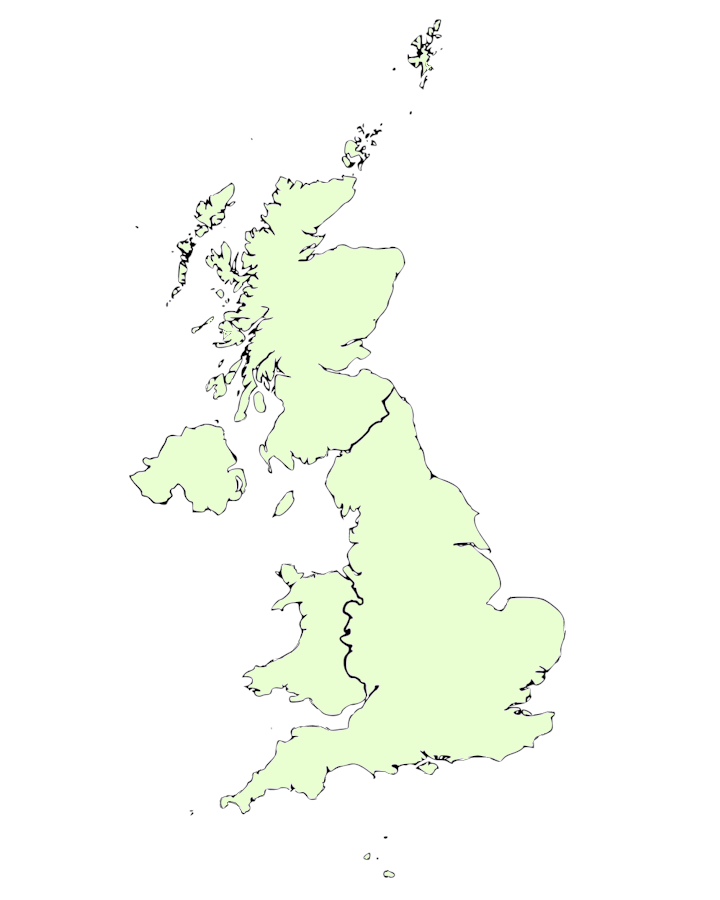
By looking at the map, we can generally see the dispersion of the surname Dubanik in the territory of United Kingdom. The colors highlight the areas with the highest frequency of this surname, while other areas show a less noticeable presence.
Regions with High Concentration
In different parts of United Kingdom are the areas with the highest concentration of the surname Dubanik. These places have traditionally been important centers of economic and cultural activity, which has resulted in a greater presence of the surname Dubanik. The notable presence in these regions may be linked to factors such as migration, the economy and other socioeconomic aspects that have influenced their dispersion.
Areas of Low Presence
On the contrary, the places with a lower proportion of the surname Dubanik tend to be areas further away from the city or with a lower population density in the country United Kingdom. These regions could have experienced less arrival of immigrants or displacement of individuals with this surname due to various reasons, such as the geography of the place, existing job opportunities or sociocultural aspects.
Historical Analysis
In the past, the spread of the surname Dubanik into United Kingdom has been affected by various relevant events, including internal and external displacements, wars and changes in the political landscape. For example, in certain historical periods, there is an increase or decrease in the presence of the surname in different regions. These fluctuations may be related to particular situations such as migrations, wars, or government decisions.
Demographic Factors
Migration
The mobility of people both inside and outside the territory of United Kingdom has been a determining factor in the dispersion of the surname Dubanik. The constant flow of migrants to different regions has contributed significantly to the genetic and cultural diversity in those areas. Likewise, the emigration of individuals with the surname Dubanik from United Kingdom to other countries has had a considerable impact on their geographical location.
Urbanization
The urbanization trend has caused a notable concentration of inhabitants with the surname Dubanik in the urban areas of United Kingdom. The work and educational possibilities in these urban centers have been a magnet for families with the surname Dubanik, increasing their influence in these metropolitan environments.
Socioeconomic Changes
Changes in the socioeconomic structure of United Kingdom have had a significant impact on the distribution of the surname Dubanik. It is important to highlight that transformations in the economy and society of a country can cause population movements towards areas where job opportunities are more prosperous, which is clearly reflected in the geographical dispersion of the surname.
Distribution of the Surname Dubanik in the World
Global Expansion of the Surname Dubanik
The history of the surname Dubanik is not limited only to United Kingdom, since it has reached a global expansion thanks to migratory movements and the dispersion of populations. This section explores how and why the surname Dubanik has managed to establish itself in various corners of the planet.
Main Countries of Presence
The surname Dubanik is widely recognized in various corners of the world. A migratory phenomenon since United Kingdom has contributed to its roots in different nations, promoting its expansion and consolidation in new territories. The search for job opportunities, the political situation or the search for a better education have been determining factors in this diaspora.


Influence of Family Origin on National Identity
International migration has had a significant impact on the cultural and social diversity of United Kingdom. Throughout history, various events have caused families with the surname Dubanik to move to different countries in search of a promising future. This phenomenon has contributed to enriching the national identity of United Kingdom, fusing traditions and customs from different regions of the world.
Overall Conclusion
The Dubanik lineage has demonstrated a phenomenal capacity for adaptation and expansion in various corners of the planet. Its presence in multiple regions not only reflects the tumultuous migratory history of United Kingdom, but also the integration and contributions of those who carry this surname in different societies worldwide. Analyzing its dispersion gives us an interesting narrative about how migratory movements and settlement processes have shaped the identity and representation of this surname throughout the globe.
In conclusion, examining the presence of the surname Dubanik in United Kingdom and on a global scale reveals fascinating patterns and provides us with deep insight into the history and demographic trends of both that country and the dispersed global community.


