Map of the Surname Dotting in United Kingdom and in the World
Discovering history through surnames
Exploring the way in which surnames are distributed geographically allows us to immerse ourselves in a fascinating journey through the past, unraveling the migratory movements and settlement processes of families throughout the generations. In this analysis, we dive into the distribution of the Dotting surname in United Kingdom and the rest of the world, revealing historical connections, cultural patterns, and demographic changes that have shaped its presence in different regions of the country and globally.
Analysis of the dispersion of the surname Dotting in the territory of United Kingdom

Origin of the Surname Dotting
The story behind the surname Dotting is fascinating and dates back to distant times. Over the years, this surname has been linked to different regions and traditions of United Kingdom, which has led to its wide spread geographically.
Methodology
In carrying out this research, comparisons of information from birth records, demographic studies and different historical and current archives were carried out. An exhaustive collection and analysis of data was carried out with the aim of determining the areas with a marked predominance of the surname Dotting in United Kingdom, as well as to identify possible trends or particularities in its geographical dispersion.
Results
Geographic Analysis
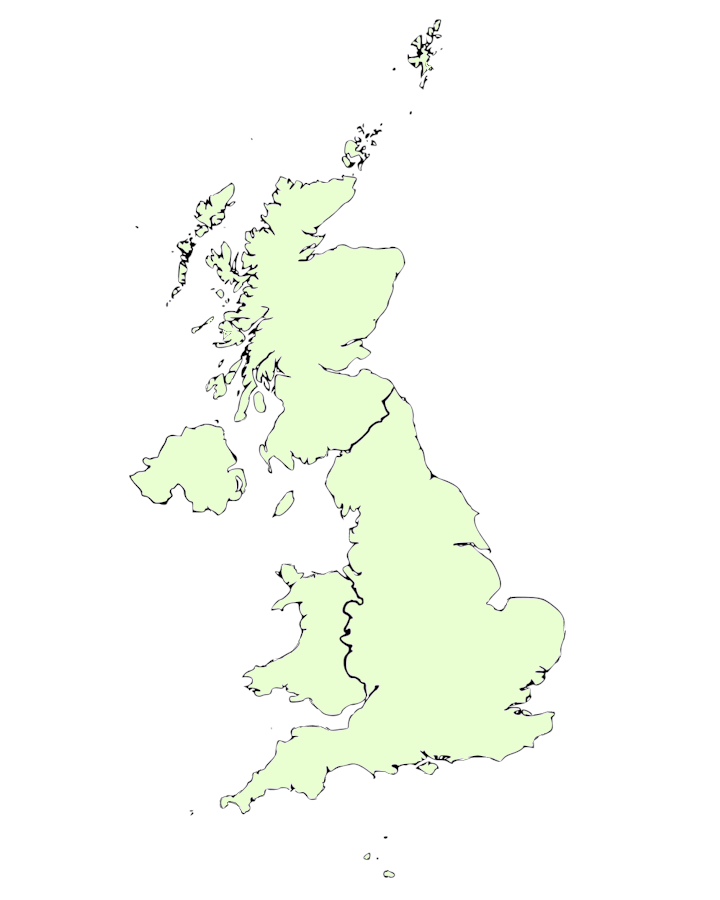
By looking at the map, we can see a visual representation of the distribution of the surname Dotting in United Kingdom. The areas with a greater number of individuals with that surname are presented in more intense tones, while the areas with a lower presence of the same surname are clearly differentiated.
Regions with High Concentration
The areas with the highest concentration of the surname Dotting have deep roots in different regions of United Kingdom. These areas have traditionally been nerve centers of economic and cultural activity, which explains the strong presence of the surname Dotting. The relevance in these areas could be linked to phenomena such as migration, economic development and other socioeconomic elements that have influenced local demographics.
Underrepresented Areas
On the contrary, places with a low presence of the surname Dotting tend to be those furthest from urban centers or with a lower density of inhabitants. It is possible that in these areas the migration or transfer of people with this surname has been lower due to various reasons such as geographical location, job opportunities or social aspects.
Historical Analysis
Historically, the distribution of the surname Dotting into United Kingdom has been shaped by a series of significant events. Both internal and external migrations, war conflicts and political changes have played a crucial role in this process. For example, throughout different historical moments, increases or decreases in the presence of the surname in certain regions have been observed. These changes may be related to particular circumstances such as migratory movements, wars or government decisions.
Demographic Factors
Migration
The mobility of people both within and outside the borders of United Kingdom has had a significant impact on the dispersion of the surname Dotting. The migration of individuals from various origins to different areas of United Kingdom has contributed to the spread of the surname in these localities. Likewise, emigration from United Kingdom to other nations has influenced the internal distribution of the surname.
Urbanization
Migration to urban areas in the country United Kingdom has contributed to the concentration of the surname Dotting in metropolitan cities. The economic and educational dynamics of these spaces have generated opportunities that have attracted families with the surname Dotting, causing an increase in their presence in these urban environments.
Socioeconomic Changes
The changes in the socioeconomic structure of United Kingdom have had a significant impact on the dispersion of the surname Dotting. For example, the flourishing of certain economic sectors has generated movements of people to areas where these sectors are dominant, which is reflected in the geography of the surname.
Distribution of the Surname Dotting in the World
Global Expansion of the Surname Dotting
The lineage of the Dotting family is not limited only to United Kingdom, but has achieved a worldwide presence thanks to migratory movements and dispersions for various reasons. Throughout history, the surname Dotting has found its way to different corners of the planet, taking roots in distant lands and adapting to new cultures.
From United Kingdom to distant territories, the surname Dotting has transcended borders and geographical barriers, carrying with it its legacy and leaving a mark on the history of each region where it has been established. It is fascinating to observe how the Dotting family heritage has spread across the globe, transforming and merging with other traditions to create a global network of lineages and legacies.
Main Countries of Presence
The surname Dotting has left its mark in various countries around the world. Since United Kingdom, there has been a constant flow of migrants who have contributed to the spread of this surname in different territories. Migration motivated by different factors, such as the search for better economic opportunities, political instability or education, has been decisive in the global expansion of this surname.


Influence of Geographic Diversity
The presence of the surname Dotting has transcended national borders, thanks to international migration. This phenomenon has allowed people with this surname to disperse to various countries, taking their culture and traditions with them. This is how the influence of migration on the global distribution of the surname Dotting has contributed to the multicultural richness of different regions of the world.
Holistic Exploration
The surname Dotting is distinguished by its magnificent ability to adapt and spread in different corners of the planet. Its extensive presence on various continents not only reflects the migratory journey of United Kingdom, but also the fusion and contribution of those who carry it with them in multiple international societies. The meticulous analysis of its dispersion offers an enriching narrative about how migratory currents and settlement processes have influenced the identity and prominence of this surname on a global level.
In summary, exploring the distribution of the surname Dotting both in United Kingdom and globally reveals fascinating patterns and provides deep insight into the history and demographic evolution of both the country and the global diasporic population.< /p>


