Map of the Surname Dekan in United Kingdom and in the World
Geographical Surname Research
Exploring the distribution of surnames gives us valuable insight into the history, migration, and establishment of families through the years. In this research, we will analyze in detail the presence of the Dekan surname both in United Kingdom and worldwide, unraveling the historical patterns and demographic trends that have shaped its presence in different areas of the country and globally.
Distribution of Surname Dekan in United Kingdom
Exploring the roots of the surname Dekan in the vast territory of United Kingdom, we find a rich diversity of stories and traditions that have permeated over the years, creating a fascinating cultural mosaic that deserves to be discovered.

Origin of the Surname Dekan
To decipher the origin of the surname Dekan is to delve into the history of humanity. Over the centuries, this surname has traveled to different corners of the world, adopting the customs and traditions of United Kingdom, which has contributed to its geographical diversity.
Methodology
In carrying out this study, data from civil registries, censuses and other sources, both ancient and current, were used. These data were collected, structured and studied to determine the areas with the highest prevalence of the surname Dekan in the country United Kingdom, as well as to detect possible trends or particularities in its geographical dispersion.
Results
General Distribution
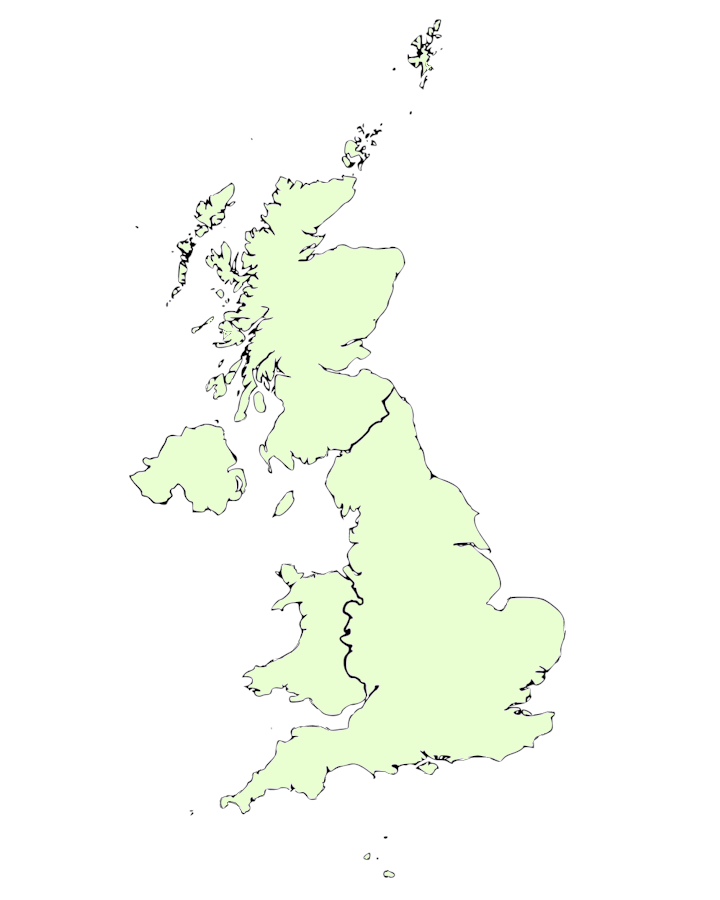
By looking at the map, you can see a visual representation of how the surname Dekan is distributed in the territory of United Kingdom. The areas where there is a greater density of this surname are highlighted with striking colors, while the areas with a lower presence are clearly differentiated.
Regions with High Concentration
The areas with the highest concentration of the Dekan surname are found in different regions of United Kingdom. These geographical areas have traditionally been key points in both economic and cultural history, which has contributed to a greater presence of the surname Dekan. The relevance in these areas may be linked to factors such as population mobility, economic situation and other sociocultural aspects.
Countries with Low Representation
In comparison, the countries with the least presence of the surname Dekan are those that are less urbanized or have a lower population density. These countries may have experienced less migratory flow or displacement of people with this surname, possibly due to geographical, economic or social reasons.
Historical Analysis
In the course of history, the spread of the surname Dekan into United Kingdom has been shaped by various important events, such as internal and external displacements, war conflicts, and political transformations. Over the centuries, fluctuations have been observed in the presence of the surname in different regions, a phenomenon that can be associated with particular events such as migratory movements, wars, or government decisions.
Demographic Factors
Migration
Migratory dynamics, both internal and external, have had a significant impact on the dispersion of the surname Dekan. The arrival of various migrant groups to different regions of United Kingdom has contributed to increasing the presence of this surname in these areas. Likewise, emigration from United Kingdom to other countries has influenced the internal distribution of the surname.
Urbanization
Over time, the phenomenon of urbanization has led to a marked concentration of the Dekan surname in the urban areas of United Kingdom. The growth dynamics of these cities have generated an environment conducive to economic and educational development, attracting families with the surname Dekan and thus contributing to their greater presence in these metropolitan areas.
Socioeconomic Changes
In recent years, there have been important transformations in the socioeconomic structure of United Kingdom that have had a significant impact on the distribution of the surname Dekan. These changes have generated population movements to different regions of the country, motivated mainly by the growth of specific sectors of the economy.
The migration of people in search of job opportunities in booming industries has been a determining factor in the geographical dispersion of the surname Dekan. This phenomenon has contributed to the creation of new social and economic dynamics, reconfiguring the demographic distribution of certain areas.
Distribution of the Surname Dekan in the World
Global Expansion of the Surname Dekan
Discover the incredible presence of the surname Dekan not only in United Kingdom, but also in various corners of the planet thanks to migration and diaspora. In this section we will explore the reasons and consequences of the dispersion of the surname Dekan in different parts of the world.
Main Countries of Presence
The surname Dekan has a marked influence in different countries around the world. These nations have witnessed a significant migratory flow from United Kingdom, which has contributed to the spread of the surname within their borders. The search for better job opportunities, favorable political conditions or access to quality education have been fundamental motivations in this expansion.
 Ukraine
 Slovakia
 Benin
Benin Russia
 United States
 Serbia
 Czech Republic
 Belarus
 Austria
 Kazakhstan
 Nigeria
 Germany
 Turkey
 Ivory Coast
 Bosnia and Herzegovina
 Papua New Guinea
 Indonesia
 England
 Sweden
 Uganda
 Croatia
 India
India Malaysia
 Poland
 Australia
 Canada
 Iran
Iran Kenya
Kenya Netherlands
 Armenia
 France
 Hungary
 Oman
Oman Afghanistan
 Belgium
 Thailand
 Switzerland
 Uzbekistan
 Cameroon
 Ireland
 Iraq
Iraq Kyrgyzstan
 Liberia
Influence of International Migration
International migration has had a significant impact on the global dispersion of the Dekan surname. Throughout history, relevant events have caused massive movements of individuals with this surname to different regions of the world. These migrations have been driven by the aspiration to improve their prospects and quality of life.
The cultural exchange resulting from international migration has enriched the ethnic and social diversity in different countries. The presence of the surname Dekan in new lands has contributed to the formation of vibrant communities and unique cultural fusions.
In addition, international migration has played a fundamental role in the transmission of traditions and family values through generations. The roots of the Dekan surname in different countries have created ties that transcend borders and strengthen the identity of those who bear it.
In summary, international migration has been a transformative phenomenon that has shaped the presence and meaning of the surname Dekan worldwide. Its influence endures today, connecting people from diverse backgrounds and contributing to global cultural wealth.
Global Conclusion
The surname Dekan has stood out for its ability to adapt and spread in different corners of the world. Its presence in multiple countries is a reflection not only of the migratory history of United Kingdom, but also of the integration and contributions of those who wear it in various international societies. The analysis of its dispersion offers us a fascinating narrative about how migratory movements and settlement have influenced the identity and representation of this surname on a global level.
In summary, research on the distribution of the surname Dekan in United Kingdom and around the world reveals intriguing patterns and provides us with deep insights into the history and demographic evolution of both the country and the global diaspora.


