Map of the Surname Dango in United Kingdom and in the World
Discovering origins
Exploring the geographical dispersion of surnames immerses us in a fascinating journey through time, unraveling stories of migration and family establishment. In this analysis, we will investigate the distribution of the Dango surname both in United Kingdom and globally, revealing historical patterns and demographic trends that have shaped its presence in different areas of the country and around the world.
Distribution of Surname Dango in United Kingdom
From distant lands to the nearest borders, the surname Dango has spread like a fertile seed in the rich soil of United Kingdom, creating ties of kinship that last through time and generations. Every corner of this country holds a unique story, a legacy that bears the surname Dango as a seal of family identity. The diversity of cultures and traditions is intertwined with the presence of this surname, enriching the genealogical heritage of those who carry with them the honor of belonging to this lineage. Long live the distribution of the surname Dango in United Kingdom, an indissoluble bond that unites hearts and destinies!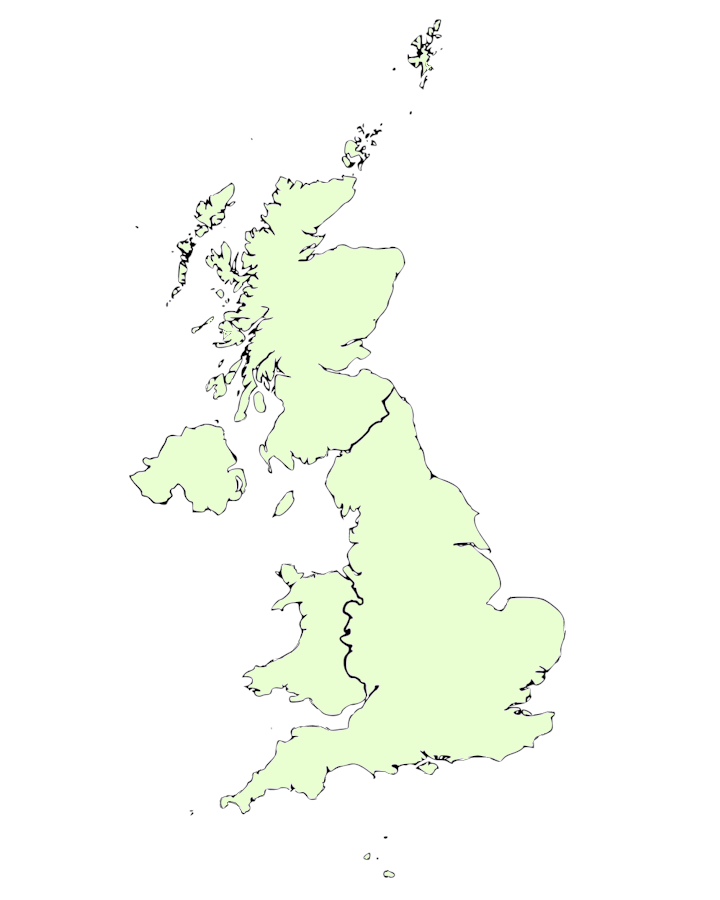

Descent of the Surname Dango
The origins of the Dango family date back to ancient times. This lineage has been closely linked to different territories and traditions of United Kingdom, which has influenced its geographical extension over the centuries.
Research
To carry out this study, data was collected from different sources, such as civil registries, censuses and historical archives. Subsequently, an exhaustive analysis of them was carried out with the aim of identifying the areas where the surname Dango has a greater presence, as well as to identify possible patterns in its distribution in the country United Kingdom.
Results
General Distribution
By looking at the map, you can see a general representation of how the surname Dango is distributed within United Kingdom. Areas with a higher concentration are distinguished by particular colors, while those with a lower presence of the surname are displayed differently.
Regions with High Concentration
The areas with the highest concentration of the surname Dango are found in various regions of United Kingdom. These places have long been key points of economic and cultural activity, which has generated a strong presence of the surname Dango. The relevance of these places can be associated with different factors, such as migration, economic situation and other socioeconomic elements.
Areas with Little Presence
On the other hand, places with a low presence of the Dango surname tend to be those that are less urbanized or have a lower population density. In these places there may have been less migration or movement of people with this surname due to aspects such as topography, lack of economic opportunities or specific social conditions.
In these regions, it is likely to find a smaller number of individuals with the surname Dango compared to more urban or more densely populated areas in the country United Kingdom. This may be due to different historical, cultural or economic factors that have influenced the distribution of this surname in different parts of the national territory.Historical Analysis
In history, the distribution of the surname Dango in United Kingdom has been shaped by a variety of significant events, such as internal and external migration movements, wars, and changes in the political landscape. For example, at certain times in the past, an increase or decrease in the presence of the surname in certain geographical areas can be perceived. These phenomena may be linked to particular circumstances such as mass migrations, periods of war or specific government decisions.
Demographic Factors
Migration
The mobility of people both within and outside the borders of United Kingdom has had a significant impact on the dispersion of the surname Dango. The arrival of various migratory flows to different areas of United Kingdom has contributed to the expansion and roots of the surname in those places. Likewise, emigration from United Kingdom to other countries has influenced the internal distribution of the surname, taking it beyond national borders.
Urbanization
The urbanization trend has resulted in a marked concentration of the Dango surname in the urban areas of United Kingdom. The employment, educational and quality of life possibilities that these cities offer have attracted many families with the surname Dango, which has caused a notable increase in their presence in these metropolitan centers.
Geopolitical Changes
Movements in the geopolitics of United Kingdom have had a significant impact on the migration and distribution of the surname Dango. Currently, globalization and changes in international relations have caused population movements that have directly influenced the dispersion of surnames in different regions of the world.
Distribution of the Surname Dango in the World
Global Expansion of the Surname Dango
The surname Dango is one of the most widespread worldwide, with a presence not only in United Kingdom, but also in various countries around the world. Migration and diaspora have been determining factors in the dispersion of this surname throughout different regions.
The history of the surname Dango is a reflection of human mobility throughout the centuries. Since its origins in United Kingdom, this surname has traveled across continents and oceans, establishing roots in different cultures and societies.
The geographical diversity in which the surname Dango is found is a testament to the global interconnection in which we live. Each corner of the world that bears this surname has a unique history that contributes to the wealth and plurality of humanity.
Main Countries of Presence
The surname Dango is recognized in different nations around the world. The history of the surname has spread to various countries, where a considerable migratory movement has been experienced since United Kingdom, which has contributed to the spread and roots of the surname in these places. The reasons that have driven this migration vary from economic, political to educational reasons, being decisive in the global expansion of the surname Dango.
 Burkina Faso
 Niger
Niger Philippines
 Nigeria
 Mali
Mali Bangladesh
 Cameroon
 Democratic Republic of the Congo
 India
India Indonesia
 Benin
Benin Papua New Guinea
 Mauritania
 Ivory Coast
 United States
 France
 Germany
 Russia
 Taiwan
 Senegal
 Canada
 Belgium
 Botswana
 Angola
 Mozambique
 Brazil
 Solomon Islands
 Ghana
Ghana Pakistan
 Afghanistan
 Australia
 Israel
 Italy
Italy United Arab Emirates
 Albania
 Mexico
 Japan
Japan Latvia
 England
 South Africa
 Liberia
 Malaysia
 Romania
 Tanzania
 Uganda
 Kenya
Kenya Kazakhstan
 Libya
Libya Morocco
 Netherlands
 Saudi Arabia
 China
China Sweden
 Singapore
 Tunisia
 Hong Kong
 Jamaica
 Zimbabwe
Influence of International Migration
It is fascinating how international migration has impacted the dispersion of the surname Dango throughout the world. Throughout history, significant events have led to large movements of people with this surname to different corners of the planet. This phenomenon has been driven by the search for more prosperous horizons and a better quality of life.
Overall Conclusion
The surname Dango is characterized by its notable capacity for adaptation and dispersion at an international level. Its widespread presence in different countries around the globe not only reflects the rich migratory history of United Kingdom, but also the integration and contribution of those who wear it in various global communities. The analysis of its distribution provides an enriching narrative about how migratory movements and settlement processes have influenced the identity and representation of this surname on a global scale.
In summary, exploring the distribution of the Dango surname both in United Kingdom and globally reveals fascinating patterns that offer deep insight into the history and demographic evolution of both the country and the international diaspora.


