Map of the Surname Daid in United Kingdom and in the World
A journey through surnames
Diving into the analysis of the geographic distribution of surnames is like opening a history book that chronicles migration, settlement, and family connections across generations. In this investigation, we will explore in detail the presence of the surname Daid in the country United Kingdom and in the rest of the world, unraveling intriguing historical patterns and demographic trends that have left their mark in different regions at a national and global level.
Geographic analysis of the presence of the surname Daid in the country of origin United Kingdom

Origin of the Surname Daid
The surname Daid has an ancestral history that has been passed down through generations. It has been linked to different cultures and territories of United Kingdom, which has contributed to its expansion to different corners of the world over the centuries.
Research Process
In carrying out this research, data sources such as civil registries, censuses and other historical and current archives were used. The information obtained was meticulously organized and analyzed with the aim of identifying the places where the surname Daid is most concentrated, as well as to detect possible patterns in its geographical distribution.
In addition, an interdisciplinary approach was used that incorporated methods from sociology, genealogy and statistics to guarantee the rigor and precision of the results obtained.
The exhaustive analysis of the data allowed us to unravel significant aspects about the history and migration of the Daid family, providing a unique perspective on its evolution over time and in different United Kingdom.
Results
Geographic Location
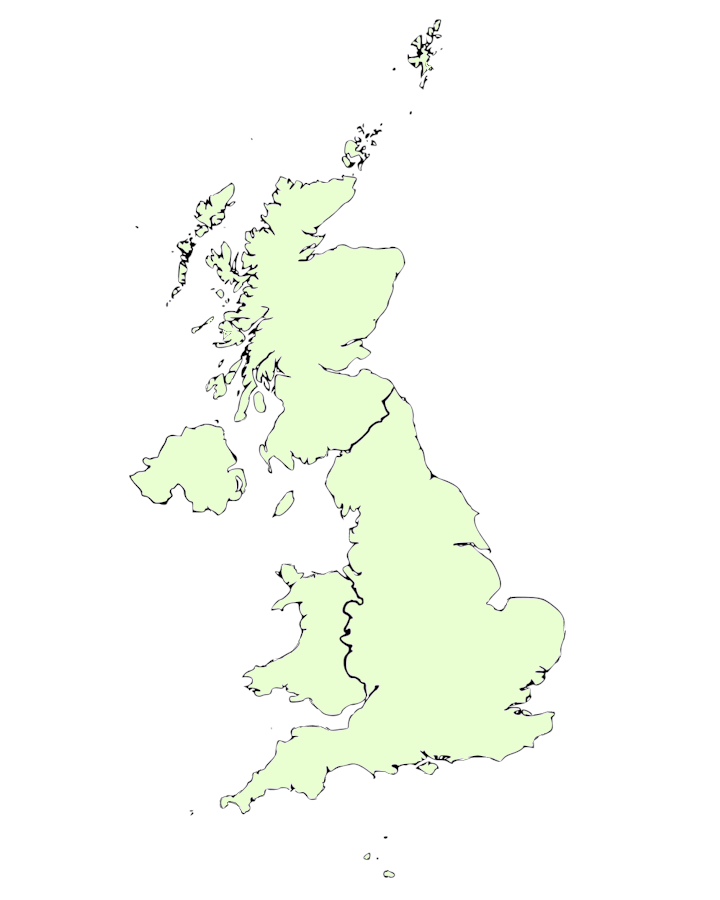
The map presents a global representation of the location of the surname Daid in United Kingdom. Areas with a greater amount are highlighted with distinctive tones, while areas with a smaller presence of the surname are shown in a contrasting manner.
Surname Concentration Study
Detailed analysis reveals that the surname Daid is concentrated in certain regions of United Kingdom. These regions, since ancient times, have been recognized for their economic and cultural vitality, which has contributed to the surname Daid being prominent in those areas. The factors that influence this concentration could be migration, the economic situation and other sociocultural aspects.
Low Presence Areas
On the other hand, the places with less predominance of the Daid surname tend to be more remote or less inhabited regions. It is possible that in these areas the migration or mobility of people with this surname has been limited, whether due to geographical, economic or social reasons.
Historical Analysis
Since ancient times, the surname Daid has experienced a significant dispersion in United Kingdom due to a series of momentous events that have marked history. Factors such as internal and external migrations, war conflicts and changes in the political landscape have been determining factors in the evolution and distribution of this lineage.
For example, throughout different historical periods, variations in the presence of the surname Daid have been recorded in different regions of United Kingdom. These changes may be related to specific circumstances such as massive population displacements, armed conflicts, or even government decisions that have directly impacted the geographical dispersion of this surname.
Demographic Factors
Migration
The dynamics of migration, both internal and external, have had a significant impact on the dispersion of the Daid surname. The arrival of various migrant groups to different areas of United Kingdom has contributed to the expansion of the presence of the surname in these locations. On the other hand, emigration from United Kingdom to other nations has also influenced the internal distribution of the surname.
Urbanization
In the midst of the urbanization process, it is interesting to observe how the surname Daid is concentrated in the bustling urban areas of United Kingdom. The economic and educational possibilities offered by these cities have been a magnet for families with the surname Daid, which has resulted in a notable increase in their presence in these metropolitan areas.
Socioeconomic Changes
In recent years, there have been important transformations in the socioeconomic structure of United Kingdom that have had a significant impact on the distribution of the surname Daid. These changes have generated population movements to different regions of the country, motivated mainly by the growth of specific sectors of the economy.
The migration of people in search of job opportunities in booming industries has been a determining factor in the geographical dispersion of the surname Daid. This phenomenon has contributed to the creation of new social and economic dynamics, reconfiguring the demographic distribution of certain areas.
Distribution of the Surname Daid in the World
Global Expansion of the Surname Daid
The surname Daid is not only present in United Kingdom, but has also spread throughout the world thanks to the mobility of people and cultural diversity. This section will explore how and for what reasons the surname Daid has managed to reach different corners of the planet.
Main Countries of Presence
The surname Daid has become prominently established in various nations around the world. These countries have witnessed a notable migration from United Kingdom, which has contributed to the expansion and roots of the surname in different cultures. Human mobility for economic, political and educational reasons has played a fundamental role in this phenomenon of dispersion and intercultural enrichment.
 Algeria
 Iraq
Iraq India
India Morocco
 France
 Indonesia
 Canada
 Malaysia
 Nigeria
 United States
 Pakistan
 Taiwan
 Ireland
 Spain
Spain Nothern Ireland
 Liberia
 Philippines
 Somalia
 Tanzania
 Egypt
Egypt Mauritania
 Thailand
 Brazil
 England
 Qatar
Qatar Russia
 United Arab Emirates
 Bosnia and Herzegovina
 Belgium
 Yemen
Yemen China
China Scotland
 Iran
Iran Italy
Italy Niger
Niger Papua New Guinea
Influence of Global Diversity
Global diversity has been largely shaped by the international migration of the surname Daid. Throughout history, significant events have led to the massive arrival of people with this surname to various countries around the world. The reasons behind these movements have varied, from the search for new job prospects to the hope of a more prosperous life.
Overall Conclusion
The surname Daid has demonstrated an incredible ability to adapt and expand throughout the world. Its presence on various continents is not only a reflection of the migratory history of United Kingdom, but also of the integration and contribution of those who carry it in different societies at a global level. The analysis of its distribution provides us with an enriching narrative about how migratory flows and settlements have influenced the identity and presence of this surname on a global scale.
In summary, examining the dispersion of the surname Daid both in United Kingdom and around the world reveals fascinating patterns and provides us with deep insight into the history and demographic evolution of both the country and the global diaspora.


