Map of the Surname Cund in United Kingdom and in the World
Exploring the history of surnames
To delve into the analysis of the geographical distribution of surnames is to embark on a fascinating journey through time. It allows us to discover how people have moved, settled and rooted in different places throughout history. In this investigation, we will focus on the surname Cund, unraveling its presence in United Kingdom and around the world. Through this study, we will reveal the historical patterns and demographic trends that have shaped the dispersion of this surname, revealing the richness and complexity of genealogical diversity.
Population of Family Cund in United Kingdom

History of the Surname Cund
The past of the surname Cund is rooted in distant times. Throughout history, this surname has been linked to different areas and traditions of United Kingdom, which has contributed to its spread throughout different regions over the centuries.
Research Process
In order to carry out this study, information was collected from different sources such as civil archives, censuses and historical and current documents. An exhaustive analysis of the data obtained was carried out to determine the areas with the greatest presence of the surname Cund, as well as to identify possible significant patterns in its geographical dispersion.
Results
General Distribution
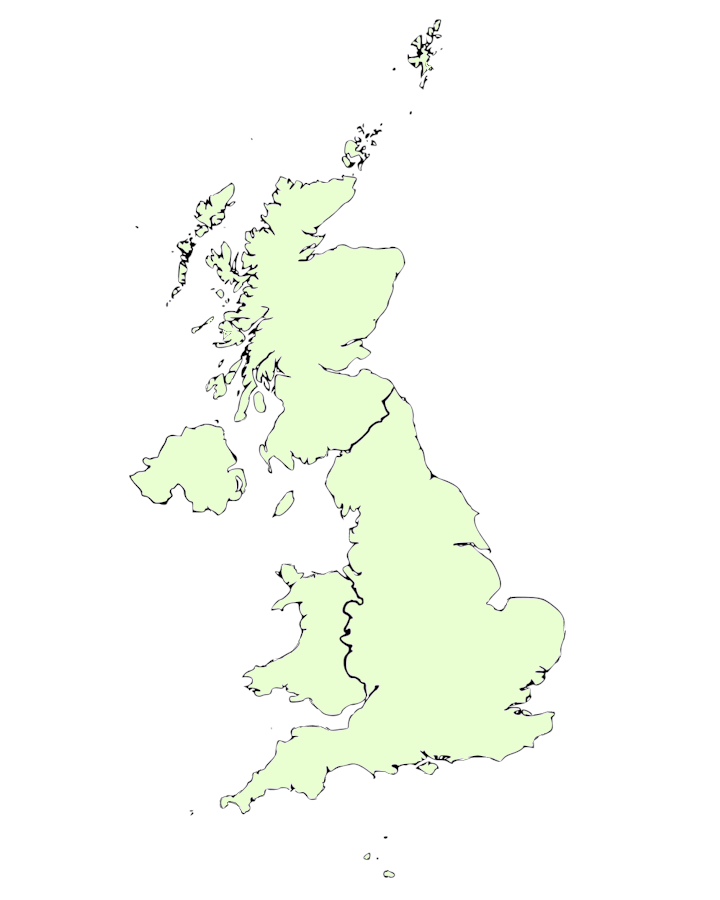
By looking at the map, we can generally see the distribution of the surname Cund in the territory of United Kingdom. The colors used highlight the areas with a greater incidence of the surname, while those regions with a lower presence are distinguished differently.
Regions with High Concentration
The areas with the highest concentration of the surname Cund span multiple regions of United Kingdom. These areas have traditionally been significant centers of economic and cultural activity, which has led to a greater presence of the surname Cund. The relevance in these areas may be linked to various factors such as migration, economic situation and other socioeconomic elements that influence the distribution of the surname Cund.
Regions with Low Concentration
In contrast, the places where the surname Cund has a lower representation tend to be those of a rural nature or with a lower population density. These areas may not have experienced as much immigration or displacement of people with this surname, perhaps due to geographical conditions, economic limitations or social influences.
Historical Analysis
Throughout history, the presence of the surname Cund in United Kingdom has been shaped by various relevant events, such as internal and external migratory movements, war conflicts and political transformations. It is interesting to observe how, at certain historical moments, an increase or decrease in the spread of the surname is perceived in certain regions. This phenomenon may be closely linked to particular circumstances such as population displacements, wars, or government decisions.
Demographic Factors
Migration
The mobility of people both within and outside the borders of United Kingdom has had a significant impact on the geographical dispersion of the surname Cund. The migration of different ethnic and cultural groups to different regions has contributed to the spread of the surname in those places. Likewise, emigration from United Kingdom to other countries has influenced the internal distribution of the surname, adding a layer of diversity to its presence in different regions.
Urbanization
The urban transformation has caused a notable grouping of the surname {Cund} in urban areas of {United Kingdom}. The employment and educational possibilities in these urban centers have been a magnet for families with the surname {Cund}, increasing their representation in these metropolitan regions.
Geopolitical Changes
The transformations in the geopolitical reality of United Kingdom have had a direct impact on the dispersion of the surname Cund. With the emergence of new economic and political powers on the international stage, migratory movements have been generated that have shaped the spread of the surname in different regions of the world.
Distribution of the Surname Cund in the World
Global Expansion of the Surname Cund
The surname Cund is not only common in United Kingdom, but has also conquered distant territories thanks to migration and diaspora. In this section we explore how and why the surname Cund has found its place in different parts of the world.
Main Countries of Presence
The surname Cund has established itself strongly in various corners of the world. These territories have witnessed a constant migratory flow from United Kingdom, which has contributed to the growth and roots of the surname in these lands. The search for new opportunities, the search for political stability or access to quality education have been determining reasons in this phenomenon of geographical dispersion.
 England
 Slovenia
 France
 Taiwan
 Wales
Wales Scotland
 Turkey
 Indonesia
 United States
 Bolivia
 Denmark
 Nothern Ireland
 Philippines
 Qatar
Qatar Saudi Arabia
 Thailand
Influence of International Migration
International migration has had a significant impact on the global dispersion of the Cund surname. Throughout history, relevant events have caused massive movements of individuals with this surname to different corners of the planet United Kingdom. These movements have been driven by the search for a more prosperous future and better life prospects.
Overall Conclusion
The surname Cund has shown an impressive capacity for adaptation and dissemination throughout the planet. Its presence on various continents not only reflects the migratory trajectory of United Kingdom, but also the integration and contribution of those who carry it in different international societies. The analysis of its dispersion provides an enriching story about how migratory movements and settlement have shaped the identity and presence of this surname worldwide.
In conclusion, examining the distribution of the Cund surname in United Kingdom and on a global scale reveals fascinating patterns and provides deep insight into the history and demographic evolution of both the country and the global diaspora.


