Map of the Surname Clover in United Kingdom and in the World
Introduction
Exploring the geographical dispersion of surnames allows us to embark on a journey into the past, discovering the roots of families and the paths they have taken over the centuries. In this detailed analysis, we will take a tour of the distribution of the surname Clover in United Kingdom and in the rest of the world, unraveling historical connections and demographic trends that have left their mark in various regions of the country and globally.
Geographical analysis of the Clover family in the territory of United Kingdom
History of the Surname Clover
The lineage of the Clover family is deeply rooted in history, with its roots extending through centuries in different territories of United Kingdom. The rich and varied history of this surname has been shaped by the multiple cultures that have influenced its evolution over the years.
Research
In order to carry out this study, information was collected from different sources such as civil registries, censuses and historical archives. Subsequently, the data was organized and carefully examined with the aim of identifying the regions where the Clover surname is most concentrated, as well as to identify possible patterns in its distribution.
Results
General Distribution
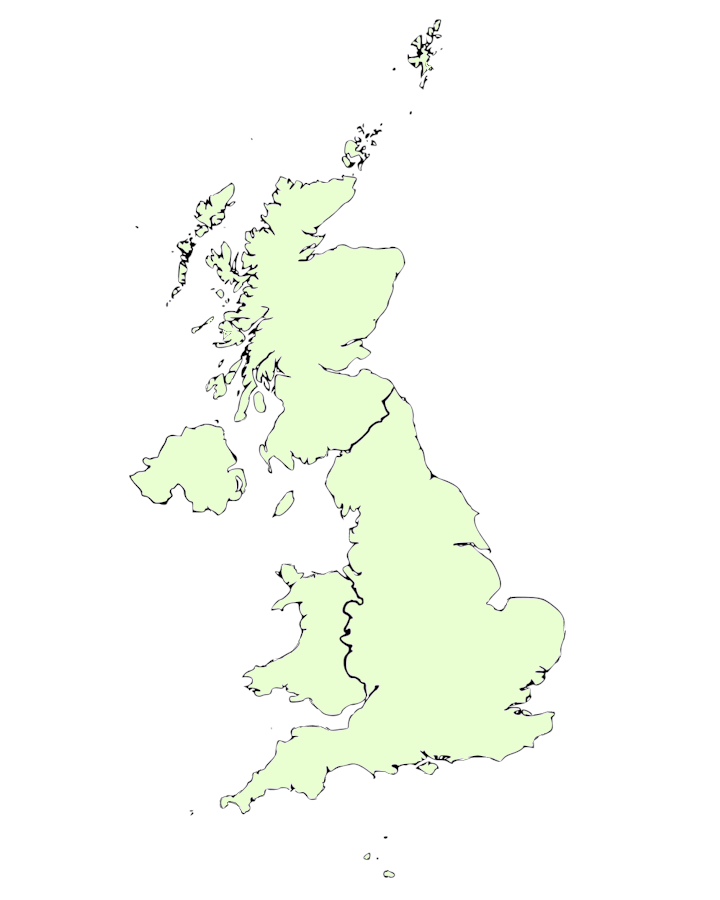
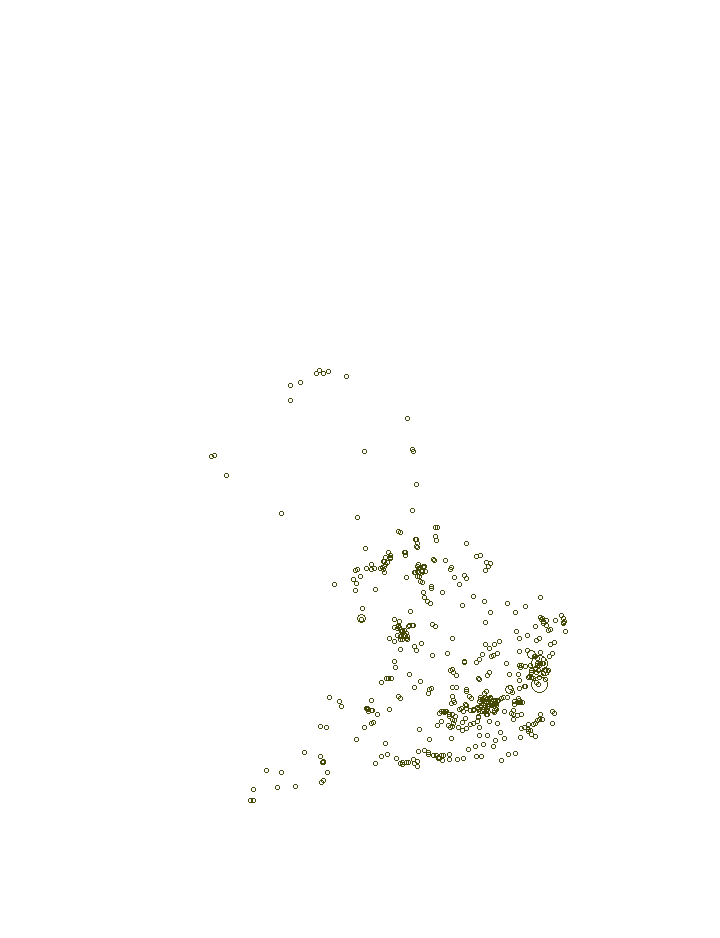
The graphical representation provides a panoramic view of how the surname Clover is distributed within United Kingdom. Areas with a greater density are shown with particular colors, while areas with a less marked presence of the surname are clearly differentiated.
Regions with High Concentration
The areas with the highest concentration of the surname Clover are found in different parts of the territory of United Kingdom. These regions have been recognized for being key points in terms of economic activity and cultural development, factors that have contributed to increasing the presence of the surname Clover in these areas. The relevance in these areas can be associated with various factors, such as migratory movements, economic conditions and other relevant sociocultural aspects.
Countries with Low Representativeness
In contrast, the countries with the least presence of the Clover surname are those that are less urbanized or have a lower population density. It is possible that in these countries there has been less immigration or mobility of people with this surname due to factors such as geography, economic opportunities or cultural factors.
Sociocultural Analysis
Since ancient times, the evolution of the surname Clover into United Kingdom has been shaped by a series of factors that have left their mark on society. Various events such as migrations, war conflicts and changes in the political landscape have left their mark on the distribution and frequency of the surname over the years. This variability may be linked to particular situations such as population displacements, armed conflicts or government decisions.
Demographic Factors
Migration
In the study of the distribution of the surname Clover, it is essential to consider the influence of migration, both internally and externally. The arrival of various migratory groups to different regions of United Kingdom has contributed significantly to the dispersion of the surname in these areas. Likewise, the migration of individuals from United Kingdom to other countries has had a notable impact on the internal distribution of the surname.
Urbanization
Urban evolution has caused a significant densification of the surname Clover in urban areas of United Kingdom. The employment and educational possibilities in these urban centers have captured the attention of families with the last name Clover, increasing their presence in these metropolises.
Socioeconomic Changes
The transformations in the socioeconomic structure of United Kingdom have had a significant impact on the distribution of surnames. For example, the growth of certain economic sectors has generated population movements towards areas where these sectors have greater relevance, which is reflected in the geographical dispersion of the surname Clover.
Distribution of the Surname Clover in the World
Global Expansion of the Surname Clover
The history of the Clover surname is fascinating, since it not only has its roots in United Kingdom, but has managed to transcend borders and spread throughout the world. Migration and diaspora have been the main drivers of this geographical dispersion.
Over the centuries, the surname Clover has found a home in different countries, adapting to new cultures and mixing with other lineages. From the distant lands of United Kingdom to the most remote corners of the planet, this surname has become a symbol of diversity and cultural enrichment.
Exploring the presence of the surname Clover in different parts of the world leads us to discover stories of bravery, resilience and adaptation. Every corner of the globe where this surname has left its mark offers us a unique vision of how people have crossed borders in search of new opportunities and a better future for their descendants.
In short, the global dispersion of the surname Clover is a reminder of humanity's extraordinary ability to connect and transcend barriers, celebrating our differences and building bridges to a more united and diverse world.
Main Countries of Presence
The surname Clover has established itself prominently in various countries around the world. These nations have witnessed an important migration from United Kingdom, which has led to the expansion and roots of the surname in their soil. The reasons for this migration can be varied, from the search for better job opportunities to escape from political conflicts or search for higher education.
 United States
 Vietnam
 England
 South Africa
 Australia
 New Zealand
 Canada
 Israel
 Russia
 Singapore
 France
 China
China Scotland
 Jamaica
 Germany
 Ecuador
 Wales
Wales Japan
Japan India
India Belgium
 Thailand
 United Arab Emirates
 Belarus
 Philippines
 Indonesia
 Ireland
 Italy
Italy Algeria
 Spain
Spain Taiwan
 Venezuela
 Iran
Iran Jordan
 Argentina
 Cambodia
 Lebanon
 Barbados
 Morocco
 Myanmar
 Brazil
 Mexico
 Malaysia
 Netherlands
 Democratic Republic of the Congo
 Norway
 Chile
Chile Peru
Peru Colombia
 Czech Republic
 Pakistan
 Portugal
 Saudi Arabia
 Sweden
 Finland
 Turkey
 Ukraine
 Grenada
 Gambia
 Zimbabwe
Influence of International Migration
International migration has had a significant impact on the global dispersion of the Clover surname. Throughout history, momentous moments have caused the mass migration of individuals with this surname to various parts of the world. These migrations have been driven by the search for new perspectives and quality of life.
Overall Conclusion
The surname Clover has demonstrated an incredible ability to adapt and expand throughout the world. Its presence on various continents is not only a reflection of the migratory history of United Kingdom, but also of the integration and contribution of those who carry it in different societies at a global level. The analysis of its distribution provides us with an enriching narrative about how migratory flows and settlements have influenced the identity and presence of this surname on a global scale.
In summary, examining the dispersion of the surname Clover both in United Kingdom and around the world reveals fascinating patterns and provides us with deep insight into the history and demographic evolution of both the country and the global diaspora.


