Map of the Surname Bakki in United Kingdom and in the World
Exploring History through Surnames
Diving into the analysis of the geographical distribution of surnames is like opening a door to the past, where each surname tells a unique story of migration and settlement. In this exciting study, we will delve into the fascinating journey of the surname Bakki, unraveling its roots in United Kingdom and the rest of the world. We will discover the secrets hidden behind its presence in different regions, revealing historical patterns and demographic trends that have shaped its trajectory over the centuries.
Geolocation of Lineage Bakki in United Kingdom

History of the Surname Bakki
The lineage of the Bakki family has its roots in ancient times. Throughout history, this surname has been linked to different territories and traditions of United Kingdom, which has impacted its expansion through different geographical areas over the centuries.
Research
The research was based on the compilation of information from civil registries, censuses and various sources, both historical and contemporary. All the data obtained were carefully analyzed and systematized in order to identify the areas with the greatest predominance of the surname Bakki in United Kingdom, as well as to detect possible significant patterns in its geographical distribution.
Results
General Distribution
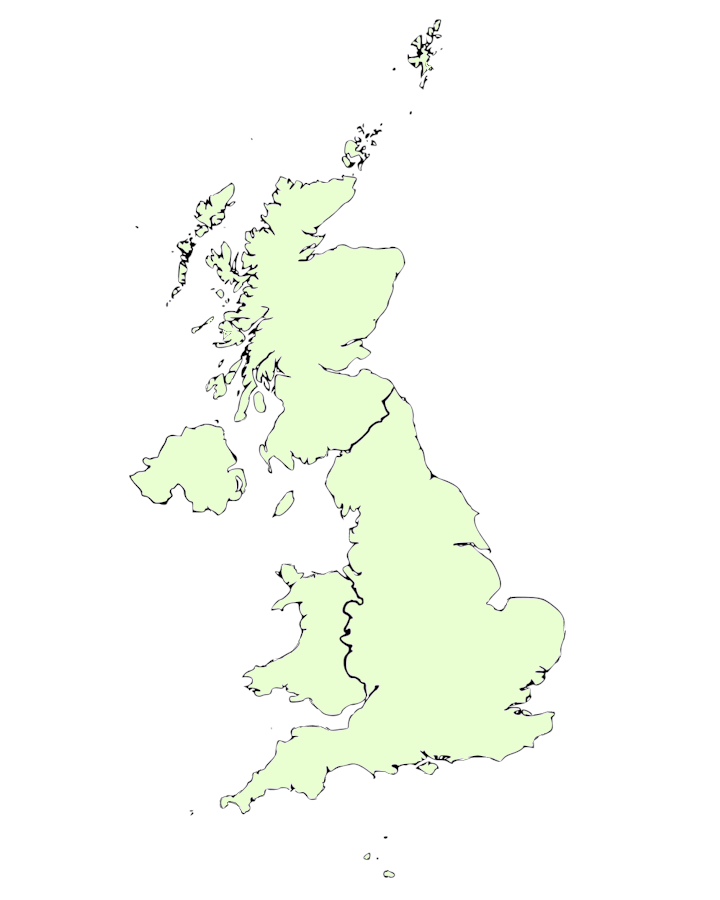
The graph presents a global perspective of the dispersion of the surname Bakki in United Kingdom. The territories with a greater density are highlighted with particular tones, while the areas with a lower representation of the surname are marked differently.
Regions with High Concentration
The areas with the highest concentration of the surname Bakki are found in different parts of the territory of United Kingdom. These regions have been recognized for being key points in terms of economic activity and cultural development, factors that have contributed to increasing the presence of the surname Bakki in these areas. The relevance in these areas can be associated with various factors, such as migratory movements, economic conditions and other relevant sociocultural aspects.
Regions with Low Concentration
On the other hand, it has been observed that in United Kingdom the areas with the least coincidence of the surname Bakki tend to correspond to less urbanized areas or with a lower population density. This phenomenon can be explained by the lower migration or mobility of individuals who bear this surname, influenced by various factors such as geographical characteristics, job opportunities or social dynamics present in said regions.
Genealogical Study
Over time, the presence of the Bakki lineage in the territory of United Kingdom has been shaped by a series of highly relevant events, such as internal and external migratory movements, war conflicts and political changes. For example, at certain times in the past, an increase or decrease in the number of individuals carrying the surname can be seen in certain geographical areas. This phenomenon can be linked to particular situations such as human displacement, wars, or government decisions.
Demographic Factors
Migration
The mobility of people both within and outside the borders of United Kingdom has had a significant impact on the dispersion of the surname Bakki. The arrival of different migrant groups to various regions of United Kingdom has contributed to the expansion of the presence of the surname in those territories. Likewise, migration from United Kingdom to other countries has influenced the internal distribution of the surname, generating greater geographic diversity in its frequency.
Urbanization
In the context of urbanization, the concentration of the surname Bakki in urban areas of United Kingdom is notable. This trend is due to the work and educational opportunities that cities offer, attracting families with the surname Bakki and contributing to their growing presence in these metropolitan centers.
Demographic Changes
The demographic evolution of United Kingdom has had a significant impact on the dispersion of the surname Bakki. For example, the growth of certain economic activities has generated migrations to areas where these activities are predominant, manifesting itself in the spatial distribution of the surname.
Distribution of the Surname Bakki in the World
Global Expansion of the Surname Bakki
The lineage of the surname Bakki has spread beyond the borders of United Kingdom, spreading across various continents and countries. This phenomenon has been driven by migratory movements and the dispersion of families throughout history.
The presence of the surname Bakki in different regions of the planet is a testimony to diversity and globalization. Over the years, the bearers of this surname have contributed to enriching the culture and society in the lands where they have established their roots.
From distant lands to nearby places, the surname Bakki has found a home in all corners of the world. This geographic diversity reflects the history and connections that exist between people, beyond national borders.
Main Countries of Presence
The surname Bakki is recognized in different countries around the world. These nations have witnessed considerable migration from United Kingdom, which has contributed to the spread of the surname within their borders. Emigration motivated by various reasons such as the search for better job opportunities, political stability or academic training has been a determining factor in this dispersion phenomenon.
 India
India Syria
Syria Morocco
 Iraq
Iraq Philippines
 Niger
Niger United States
 Nigeria
 Hungary
 Pakistan
 Indonesia
 Malaysia
 Jordan
 United Arab Emirates
 Qatar
Qatar Tanzania
 England
 Bangladesh
 Algeria
 Russia
 France
 Vietnam
 Yemen
Yemen Canada
 Germany
 Italy
Italy Kazakhstan
 Lithuania
 Papua New Guinea
 Sweden
 Tunisia
Influence of Cultural Diversity
Cultural diversity has been a key factor in the global distribution of the surname Bakki. Throughout history, significant events have caused massive movements of people with this surname to different corners of the world. These transfers have been driven by the search for new perspectives and experiences in United Kingdom.
Overall Conclusion
The surname Bakki has shown an incredible capacity for adaptation and expansion throughout the world. Its presence on different continents not only reflects the migratory history of United Kingdom, but also the integration and contribution of those who carry it in various societies at a global level. The analysis of its dispersion provides us with an enriching narrative about how migratory flows and settlement have influenced the identity and representation of this surname in the global sphere.
In summary, examining the distribution of the surname Bakki in United Kingdom and around the world reveals fascinating patterns and gives us deep insights into history and evolution demographic of both the country and the global diaspora.


