Map of the Surname Arabian in United Kingdom and in the World
Exploring the history of surnames
Immersing ourselves in the investigation of how surnames are geographically distributed takes us on a fascinating journey through time. Through this analysis, we will delve into the study of the presence of the surname Arabian in United Kingdom and in various parts of the world, unraveling the historical and migratory traces that have left their mark in different regions.
Study of the dispersion of the Surname Arabian in different regions of United Kingdom

Discovering the Family Legacy of the Arabian Family
The story behind the surname Arabian is as fascinating as it is mysterious. Over the years, this name has been linked to different territories and traditions of United Kingdom, which has contributed to its expansion to different corners of the world.
Methodology
In carrying out this study, data from civil registries, censuses and other sources, both ancient and current, were used. These data were collected, structured and studied to determine the areas with the highest prevalence of the surname Arabian in the country United Kingdom, as well as to detect possible trends or particularities in its geographical dispersion.
Results
General Distribution
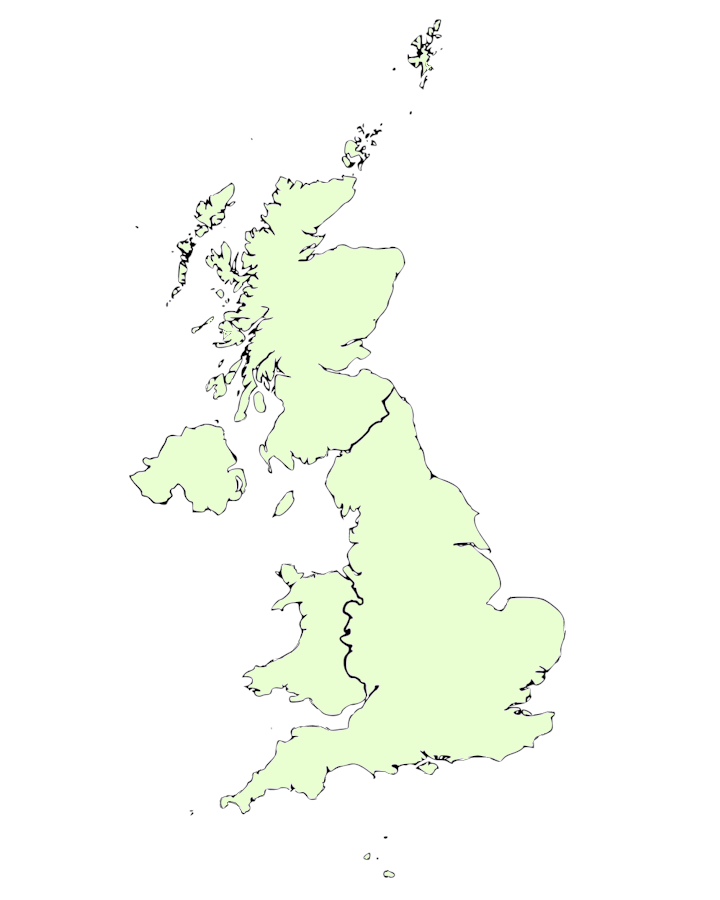
By looking at the map, you can generally see the distribution of the surname Arabian in United Kingdom. There are areas with a higher concentration of the surname that are represented with bright colors, while areas with a lower presence of the surname are displayed differently.
Regions with High Concentration
In different areas of United Kingdom there are significant groups of the surname Arabian, which is due to its relevance in the economic and cultural sphere of these regions. Throughout history, these areas have been important centers in which the surname Arabian has had a notable presence. This concentration in certain regions may be linked to phenomena such as migration, economic conditions and various socioeconomic factors.
Localities with Little Presence
On the other hand, in United Kingdom there are regions where the surname Arabian has a noticeably lower presence. These areas are usually characterized by being more remote or less inhabited. It is possible that the lack of immigration or mobility of people with this surname is due to different factors such as geography, economic opportunities or sociocultural aspects.
Historical Analysis
Longitudinally, the spread of the surname Arabian into United Kingdom has been shaped by different relevant events, such as migratory movements at the national and international level, war conflicts and changes in the political landscape. For example, in certain past eras, there is an increase or decrease in the prevalence of the surname in certain areas of the country. This phenomenon may be related to specific situations such as migratory movements, wars, or specific government decisions.
Geographical Factors
Mobility
Mobility both within and beyond the borders of United Kingdom has had a significant impact on the dispersal of the surname Arabian. The diversity of migrant groups that have arrived in different parts of the country has contributed to the expansion of the presence of the surname in different regions. Likewise, emigration from United Kingdom to other countries has influenced the internal distribution of the surname.
Urbanization
The evolution of cities has generated an interesting phenomenon of concentration of the surname Arabian in urban areas of United Kingdom. The economic and educational dynamics of these metropolises have been a magnet for families with the surname Arabian, resulting in a notable growth of their presence in these urban environments.
Demographic and Economic Changes
The transformations in the sociodemographic structure of United Kingdom have had a direct impact on the dispersion of the surname Arabian. For example, the growth of certain economic sectors has led to population movements towards areas where these sectors have greater relevance, which is reflected in the geographical distribution of the surname.
Distribution of the Surname Arabian in the World
Global Expansion of the Surname Arabian
Since its origins in United Kingdom, the surname Arabian has transcended borders and has found its place in various corners of the planet. Migration and diaspora have played a key role in the dispersion of this surname, which has led to its presence in various cultures and societies.
The history and evolution of the Arabian surname across continents reveal the influence of historical, social and geographical factors on its diffusion. From Europe to Asia, passing through America and Oceania, the surname Arabian has left its mark in different regions, adapting to local realities and contexts.
Likewise, the diversity and cultural richness that accompanies the surname Arabian in its global trajectory reflects the interconnection of people throughout history. The presence of this surname in so many different places is a testament to the adaptability and permanence of the families that bear it, as well as their contribution to human diversity around the world.
Main Countries of Presence
The surname Arabian is strongly rooted in different corners of the world. In these countries, the presence of this surname has grown significantly thanks to the migration from United Kingdom. This phenomenon has contributed to the expansion of the influence of the surname in these nations. Migration, motivated by different factors such as economic opportunities, political conflicts or the search for education, has been decisive in the global expansion of this surname.
 Iran
Iran United States
 Saudi Arabia
 Lebanon
 France
 Canada
 Kuwait
 Brazil
 Argentina
 Israel
 England
 Pakistan
 Sweden
 Australia
 Indonesia
 Spain
Spain Mexico
 Papua New Guinea
 Philippines
 United Arab Emirates
 India
India Monaco
 Egypt
Egypt Syria
Syria Netherlands
 Qatar
Qatar Armenia
 Turkey
 Tanzania
 Uganda
 Switzerland
 China
China Vietnam
 Germany
 South Africa
 Greece
 Iraq
Iraq Italy
Italy Jordan
 Sri Lanka
 Malaysia
Influence of International Migration
International migration has played a crucial role in the global dispersion of the Arabian surname. Throughout history, its presence has been influenced by significant events that have caused large movements to different corners of the planet. The search for new opportunities and a better quality of life has been the main driving force behind these migratory movements.
Global Conclusion
The surname Arabian has stood out for its remarkable capacity for adaptation and dissemination throughout the planet. Its presence on various continents not only tells us about the historical migrations of United Kingdom, but also about the integration and contributions that its bearers have made in different international societies. The analysis of its dispersion provides us with an enriching story about how global migratory currents have shaped the identity and presence of this surname worldwide.
In short, examining the distribution of the surname Arabian both in United Kingdom and on a global scale reveals fascinating patterns and offers us an in-depth look at the history and demographic evolution, both of the country and the global diaspora.


