Map of the Surname Angola in United Kingdom and in the World
Discovering our legacy
Exploring the geographical distribution of surnames immerses us in a journey through time, revealing clues about the migration and settlement of families throughout history. In this investigation, we will delve into the fascinating distribution of the surname Angola in United Kingdom and around the world, unraveling the historical patterns and demographic trends that have shaped its presence in various regions of the country and globally.
Geographic analysis of the surname Angola in the territory of United Kingdom

Origin of the Surname Angola
The mysterious surname Angola keeps in its roots an ancestral past that is lost in the mists of time. Throughout history, this surname has been linked to different lands and cultures of United Kingdom, a fact that has led to its spread throughout various territories over the generations.
Process
In order to develop this study, data was collected from various sources such as civil registries, censuses, and historical and current archives. These data were systematized and evaluated with the purpose of determining the areas where the Angola surname is most concentrated, in addition to identifying possible significant patterns in its distribution.
Exploration
The analysis was carried out considering multiple sources of information, including civil registries, censuses, and historical and contemporary databases. Through this process, we sought to identify the areas with the greatest predominance of the surname Angola, as well as to recognize any notable trend or peculiarity in its geographical distribution.
Results
General Distribution
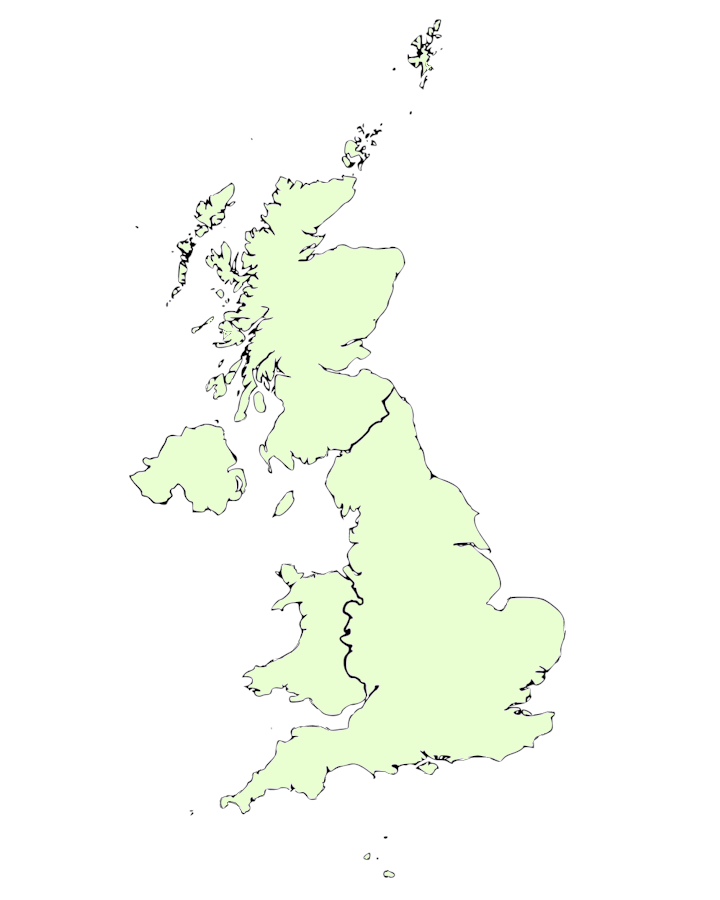
By looking at the map, we can generally see the distribution of the surname Angola in United Kingdom. Areas where the surname has a greater presence are highlighted with striking colors, while regions where the presence of said surname is less frequent are displayed distinctively.
Areas of Greater Concentration
The areas with the highest concentration of the surname Angola are found in various regions of United Kingdom. These geographical areas have traditionally been recognized as important centers of economic and cultural activity, which has promoted a greater incidence of the surname Angola. The marked presence in these places may be linked to causes such as migration, the economic situation and other relevant socioeconomic factors.
Underrepresented Areas
On the contrary, places with little presence of the Angola surname tend to be those furthest from urban centers or with fewer inhabitants. These regions may have experienced less arrival of immigrants or movement of people with this surname due to reasons such as geographic configuration, job opportunities or social dynamics.
Historical Analysis
Traditionally, the distribution of the surname Angola in United Kingdom has been affected by various relevant events, such as internal and external displacements, armed conflicts and transformations in the political sphere. For example, in certain historical periods, an increase or decrease in the presence of the surname in certain geographical areas can be observed. These changes may be related to particular situations such as migrations, war confrontations, or government decisions.
Demographic Factors
Migration
The migratory dynamics, both nationally and internationally, have been a determining factor in the dispersion and consolidation of the surname Angola in different regions of United Kingdom. The arrival of different migratory currents throughout history has contributed significantly to the cultural and demographic enrichment of various geographical areas, thus marking the presence of the surname in new territories.
Urbanization
Urbanization has caused a marked concentration of the Angola surname in the urban areas of United Kingdom. The possibilities of economic and educational development present in these cities have been the magnet for families with the surname Angola, which has generated a notable increase in their presence in these metropolitan areas.
Changes in Social and Economic Dynamics
The evolution of society and economy in United Kingdom has had a significant impact on the distribution of the surname Angola. Various factors such as the growth of certain economic sectors have motivated the movement of people to areas where these industries are predominant, which is reflected in the geographical dispersion of the surname.
Distribution of the Surname Angola in the World
Global Expansion of the Surname Angola
The surname Angola is not only present in United Kingdom, but has also managed to spread throughout the globe, thanks to migratory movements and the diaspora. In this section we will explore the reasons and paths that have led the surname Angola to establish itself in various regions of the planet.
Main Places of Origin and Presence
The surname Angola is recognized in various countries around the world. These nations have witnessed an important migratory flow from United Kingdom, which has contributed to the spread and roots of the surname in their respective territories. The search for better job opportunities, the escape from political conflicts or the search for a more specialized education have been some of the reasons that have driven this expansion.
 Colombia
 Venezuela
 Bolivia
 Brazil
 Democratic Republic of the Congo
 Portugal
 Nigeria
 Uganda
 Ivory Coast
 Argentina
 United States
 India
India Peru
Peru Cameroon
 Spain
Spain Zambia
 Ecuador
 Indonesia
 South Africa
 France
 England
 Ghana
Ghana Namibia
 Papua New Guinea
 Grenada
 Italy
Italy Niger
Niger Mexico
 Netherlands
 Angola
 Philippines
 Belgium
 Puerto Rico
 Sweden
 Canada
 Senegal
 China
China Germany
 Egypt
Egypt Ethiopia
 Kenya
Kenya Madagascar
 Mongolia
Influence of International Migration
International migration has had a significant impact on the dispersion of the surname Angola throughout the world. Throughout history, various events have led to the migration of individuals with this surname to different territories, crossing oceans and borders in search of new opportunities and horizons.
The legacy of the surname Angola has spread to different countries and cultures, enriching the diversity and multiplicity of identities in every corner of the planet. This phenomenon has contributed to global interconnection and the exchange of traditions, values and experiences between people of different origins.
International migration has not only impacted the geographical dispersion of the surname Angola, but has also shaped its history and evolution over time. The stories of migrants and their descendants reveal the strength of human will and the ability to adapt in the face of challenges and adversity.
In short, international migration has left an indelible mark on the history of the surname Angola, transforming it into a symbol of resilience, diversity and unity in an increasingly interconnected and multicultural world.
Overall Conclusion
The surname Angola has demonstrated a surprising capacity for adaptation and dispersion in different regions of the globe. Its presence on various continents not only reflects the migratory history of United Kingdom, but also the integration and contribution of those who carry it in different international communities. Analysis of its distribution provides a fascinating account of how migratory and settlement movements have influenced the identity and reach of this surname on a global scale.
In summary, examining the distribution of the surname Angola in United Kingdom and globally uncovers revealing patterns and provides an enriching perspective on the history and demographic evolution of both of that country as well as the global diaspora.


